
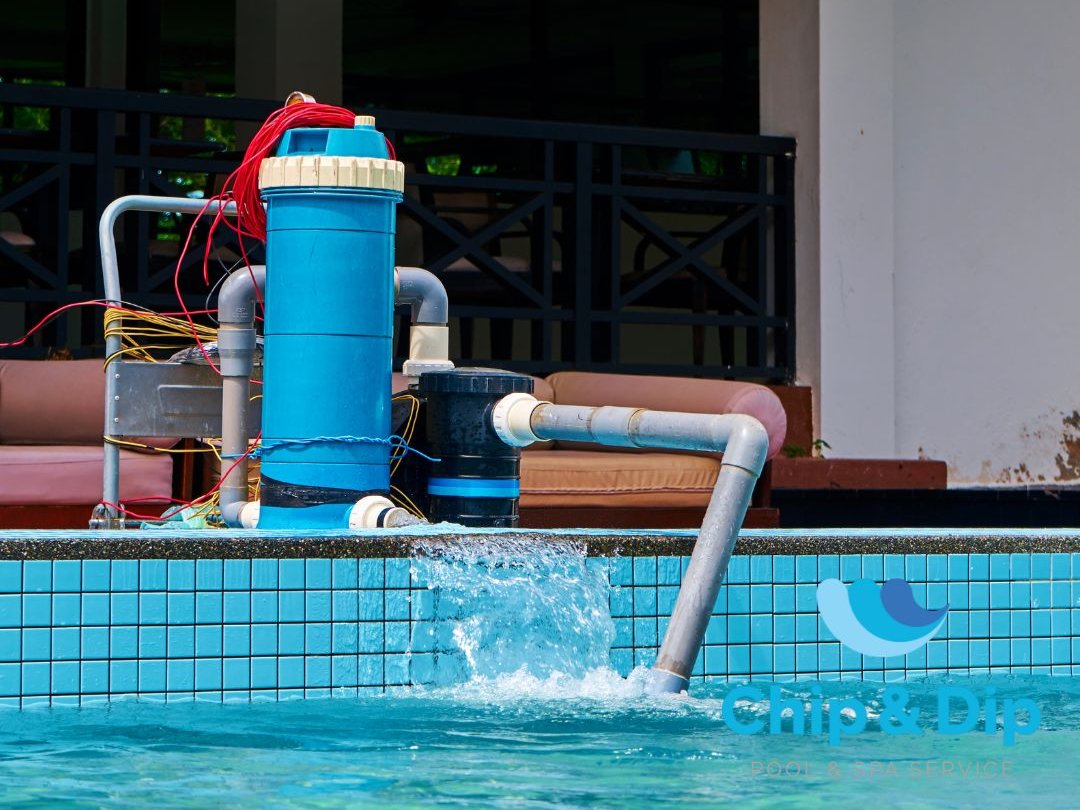
Pool pump decisions shape how clean, clear, and inviting your water feels all season long. The pump keeps water moving through your filter, heater, and sanitizer, so every other system depends on it. Choosing well means fewer headaches and lower energy bills for years to come.
Still, shopping for a new pump can feel overwhelming. Model names, horsepower ratings, and speed settings all start to blur together. This guide walks you through the factors that matter most, so you can choose with confidence.
What a Pool Pump Does for Your Backyard Oasis
Think of the pump as the heart of your pool circulation system. It pulls water from the skimmers and main drain, pushes it through the filter, and returns it clean. A well-matched pool pump also helps chemicals spread evenly, which keeps algae and cloudy water at bay. Without steady circulation, even the best filter or heater can't do its job.
Your pump works alongside several other components, and each one affects how it performs. Our overview of the essential systems every pool needs shows how the full equipment pad works together. Seeing that bigger picture makes it easier to spot the pump that suits your setup.

Size Your Pump to Your Pool and Turnover Rate
Bigger isn't always better when it comes to pumps. The right size depends on your pool's volume and how quickly you need to cycle that water. Pros call this the turnover rate. Many residential pools aim to filter their full volume about once every eight hours.
To find your ideal flow rate, start with your pool's total gallons. Divide that number by the hours in your turnover window, then divide again by 60. The result gives you gallons per minute, or GPM, which guides your pump choice. For example, a 24,000-gallon pool on an eight-hour cycle needs about 50 GPM.
An oversized pool pump can push water faster than your filter can handle. That extra force wastes energy and wears down seals and fittings sooner. Undersized pumps create the opposite problem, leaving dead spots where debris and algae settle.

Compare the Three Main Pump Types
Once you know your flow needs, you can narrow down the type of pump. Each style handles speed differently, and that difference affects cost, noise, and comfort. Here's a quick look at the three main options you'll come across:
- Single-speed pumps: These run at one fixed speed every time they switch on. They cost less upfront but use the most electricity over time.
- Dual-speed pumps: These offer a high setting for vacuuming or spa jets and a low setting for daily filtering. They strike a middle ground on price and efficiency.
- Variable-speed pumps: These let you dial in the exact speed for each task. They cost more at first but run quieter and use far less energy.
For most homeowners today, a variable-speed pool pump has become the go-to choice. Federal efficiency standards that took effect in 2021 now steer many in-ground pool owners toward these models. Their flexibility also pairs nicely with heaters, salt systems, and automated controls. Still, your budget and how often you swim should guide the final call.

Energy Efficiency and Your Pool Pump
Your pump likely runs more hours than almost any other appliance in your home. That makes efficiency one of the smartest places to focus your budget. According to ENERGY STAR's certification guidance, certified in-ground models use up to 65% less energy than standard pumps and can save up to $450 a year. Over the life of the equipment, those savings add up quickly.
Efficiency brings comfort perks you'll notice right away, too. Slower circulation puts less strain on filters and plumbing, which lowers the chance of leaks and early repairs. A quieter pool pump also makes evenings by the water far more relaxing. Pair that with a regular filter-cleaning habit, and your whole system runs more smoothly. When you compare models, check the label, the efficiency rating, and the programmable speed settings.
Match Your Pump to Your Equipment and Installation Needs
A great pump still needs the right partners to perform well. Your filter carries its own maximum flow rating, and your pump should stay within it. Pipe size matters too, since narrow plumbing creates resistance that makes any pump work harder.
Electrical needs deserve attention as well. Many newer pool pump models run on 230 volts and may need a dedicated circuit, bonding, and GFCI protection. A licensed professional can confirm that your setup meets local code. Our guide to priming a pump after it loses suction shows why trapped air causes trouble at startup. Here in the Chicago area, you'll also want a winterizing plan before the first hard freeze.
If your current pump is struggling, weigh repair against replacement first. If repairs cost more than half the price of a new pump, replacement usually makes more sense. Keep in mind that DIY fixes can void manufacturer warranties, so read the terms before you grab a wrench.
Choosing the Right Pump With Confidence
The best pool pump for your home balances size, flow, efficiency, and compatibility with your other equipment. Taking time to weigh these factors now saves money and frustration later. It also keeps your pool clear, comfortable, and ready for those spontaneous summer evenings.
At Chip & Dip Pool & Spa Service, we help homeowners across the western suburbs find equipment that truly fits. Our team handles everything from selection and installation to routine maintenance and timely replacements. If you're thinking about an upgrade, give us a call, and we'll gladly walk through your options together.

