
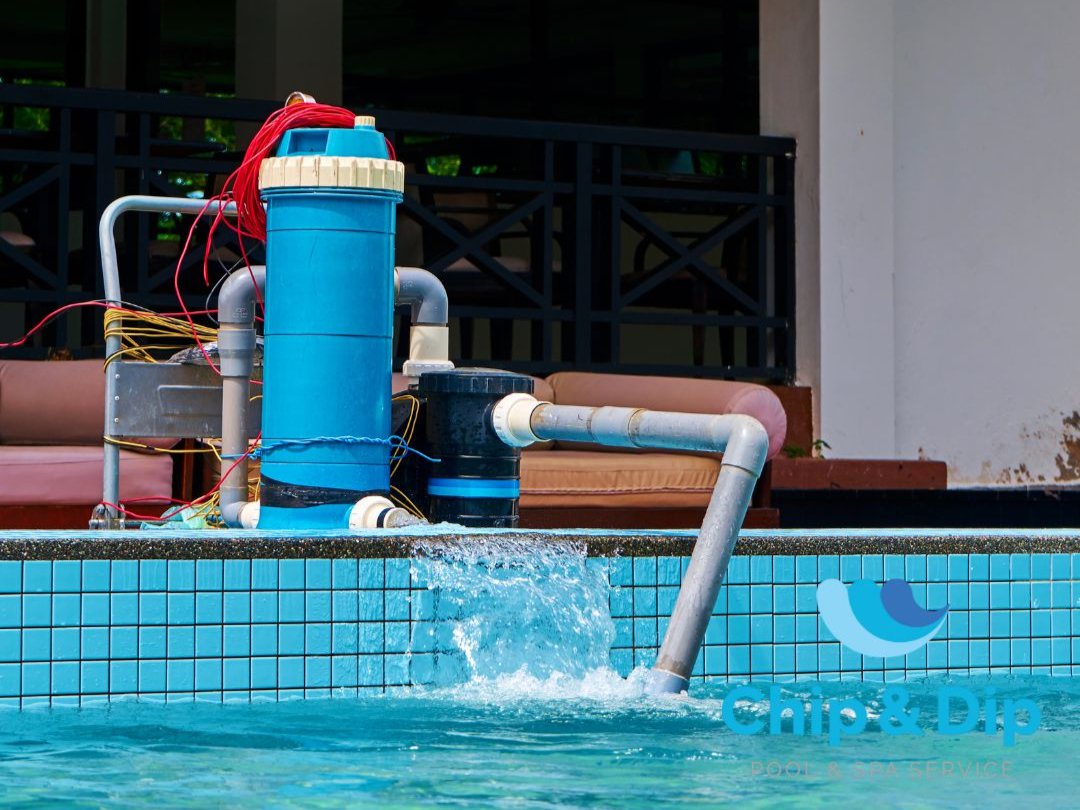
Every backyard pool relies on more than water and sunshine to stay swim-ready. Behind every clear, comfortable pool is a set of pool equipment working quietly in the background. From pumps and filters to heaters and sanitation systems, these components keep your water clean and your pool inviting all season long.
Understanding what each piece of pool equipment actually does makes it easier to catch small problems early, plan for replacements, and get more use out of your pool without unexpected downtime.
The Pump and Filter: Your Pool Equipment's Core
The pump and filter make up the true core of your pool equipment, working together as a team. The pump pulls water through the plumbing and pushes it to the filter for cleaning, then sends it back into the pool. Most residential pools are designed to circulate the entire volume of water once every eight to ten hours, a benchmark known in the industry as the turnover rate. Without a working pump, chemicals cannot circulate evenly, and debris settles instead of clearing out.
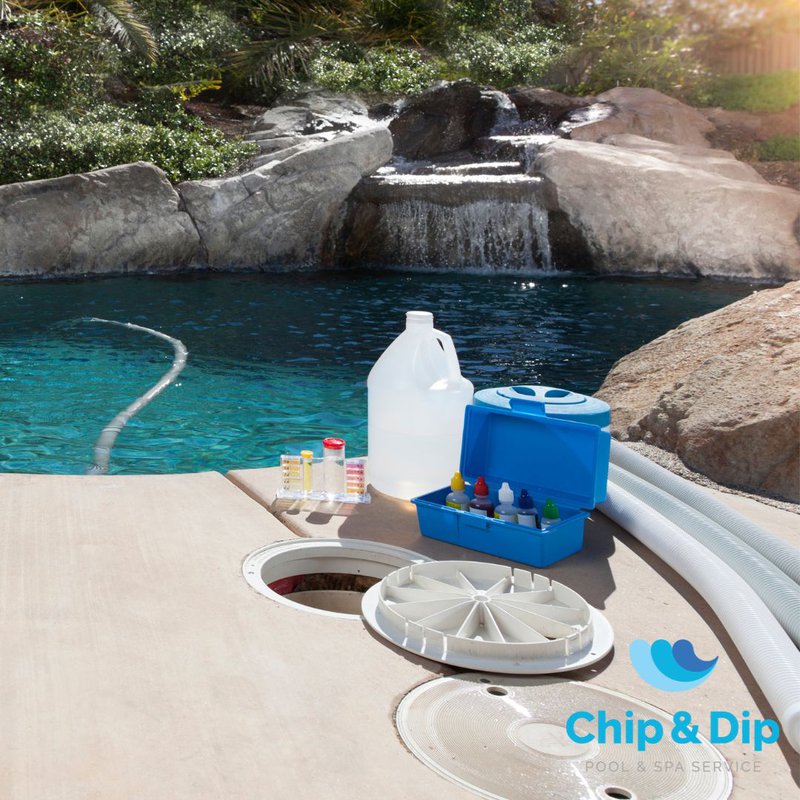
If your pump has ever lost suction after a filter change or a heavy storm, you are not alone. Many homeowners run into this exact problem, and a quick look at how to prime a pool pump can often save an unnecessary service call. It also helps to check your pressure gauge weekly. A reading that climbs higher than usual often signals a filter that needs attention before it strains the motor. ENERGY STAR-certified pumps run at variable speeds, which alone can cut pump-related electricity use significantly compared to older single-speed models.
Filters trap dirt, oils, and small particles before they cloud your water. Cartridge, sand, and DE filters all need occasional attention to keep working properly, and knowing when and how to backwash a pool filter keeps water flowing freely instead of straining the rest of your system. As a general rule of thumb, a rising pressure gauge reading of eight to ten PSI above the clean, startup reading means it's time to clean or backwash.

Heating Equipment for Longer Swim Seasons
Pool equipment also includes the systems that control water temperature. Gas heaters, heat pumps, and solar systems each warm water differently, and the right pick depends on your climate, pool size, and how often you swim outside of peak summer months. Gas heaters raise water temperature quickly, which suits homeowners who swim occasionally rather than daily. Heat pumps run more slowly but cost far less to operate over a full season, since they transfer heat from the surrounding air instead of generating it directly.
A well-maintained heater can extend your swim season by weeks, sometimes months. Homeowners who look into pool heater options often find the upfront cost pays for itself through more days actually spent in the pool. Pairing any heater with a quality pool cover multiplies that benefit, since covers trap heat overnight and reduce the workload on the heater the next day.
Sanitization Systems: Salt, UV, and Beyond
Chlorine tablets used to be the standard, but salt systems and UV sanitation have become popular pool equipment upgrades in recent years. Salt systems generate chlorine on their own using a low concentration of dissolved salt, cutting down on the need to handle and store chemicals by hand.
Most salt cells last between three and seven years before they need replacing, depending on usage and water balance. UV systems add another layer of protection, neutralizing bacteria and pathogens that traditional sanitizers sometimes miss, and many pools that add UV can reduce their chlorine demand as a result.
Proper water sanitation matters for more than comfort. Consistent disinfection helps prevent the spread of waterborne illness, a point public health guidance from the CDC has emphasized for years. It's a good reminder that pool equipment does real health work, not just convenience. Testing your water twice a week, more often during heavy swim periods, keeps sanitizer levels in the safe range no matter which system you run.

Safety and Comfort: Covers and Lighting
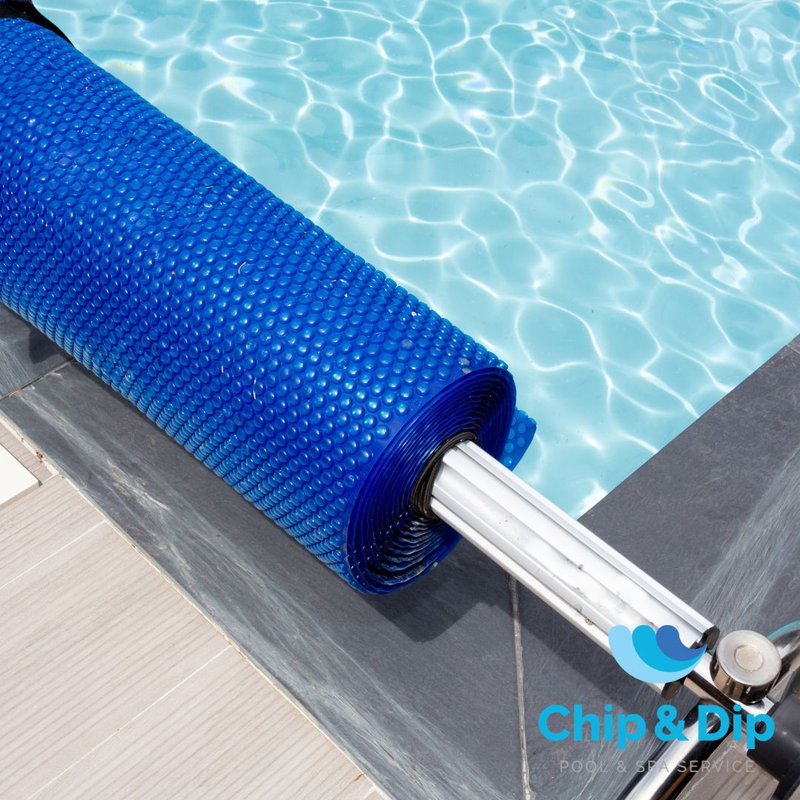
Not all pool equipment relates to water chemistry. Pool covers reduce evaporation by as much as 95 percent, keep debris out overnight, and cut down on heating costs by trapping warmth between swims. A pool that loses less water through evaporation also needs fewer chemical top-offs, which adds up over a full season.
LED lighting extends usable hours into the evening while adding a layer of visibility that matters for safety around the water. LED fixtures also last considerably longer than older incandescent pool lights and use a fraction of the energy, which means fewer bulb changes and a lower utility bill.
These additions rarely make headlines, but homeowners who skip them often notice higher water bills and shorter swim days than they expected.
Keeping Your Pool Equipment Running Efficiently
Even the best pool equipment needs regular attention to perform the way it should. Seasonal checkups catch small issues, like a worn pump seal or a clogged filter, before they turn into costly repairs down the line. A simple checklist helps: inspect the pump housing for leaks, check the filter pressure, test the heater ignition before the first warm week, and confirm your salt cell or UV bulb is still within its rated lifespan. A consistent maintenance routine also helps protect the warranty on newer systems.
Homeowners who stay ahead of small repairs typically spend less over the life of their pool. Chip & Dip Pool & Spa Service handles routine maintenance, equipment upgrades, and replacements for homeowners across the Chicago area, so the technical side never has to fall entirely on you.
If your pool equipment is overdue for a checkup, or you are simply not sure which system needs attention, it is worth reaching out to the Chip & Dip team. A short conversation now can prevent a bigger repair later and keep your pool ready for whatever the season brings.

