
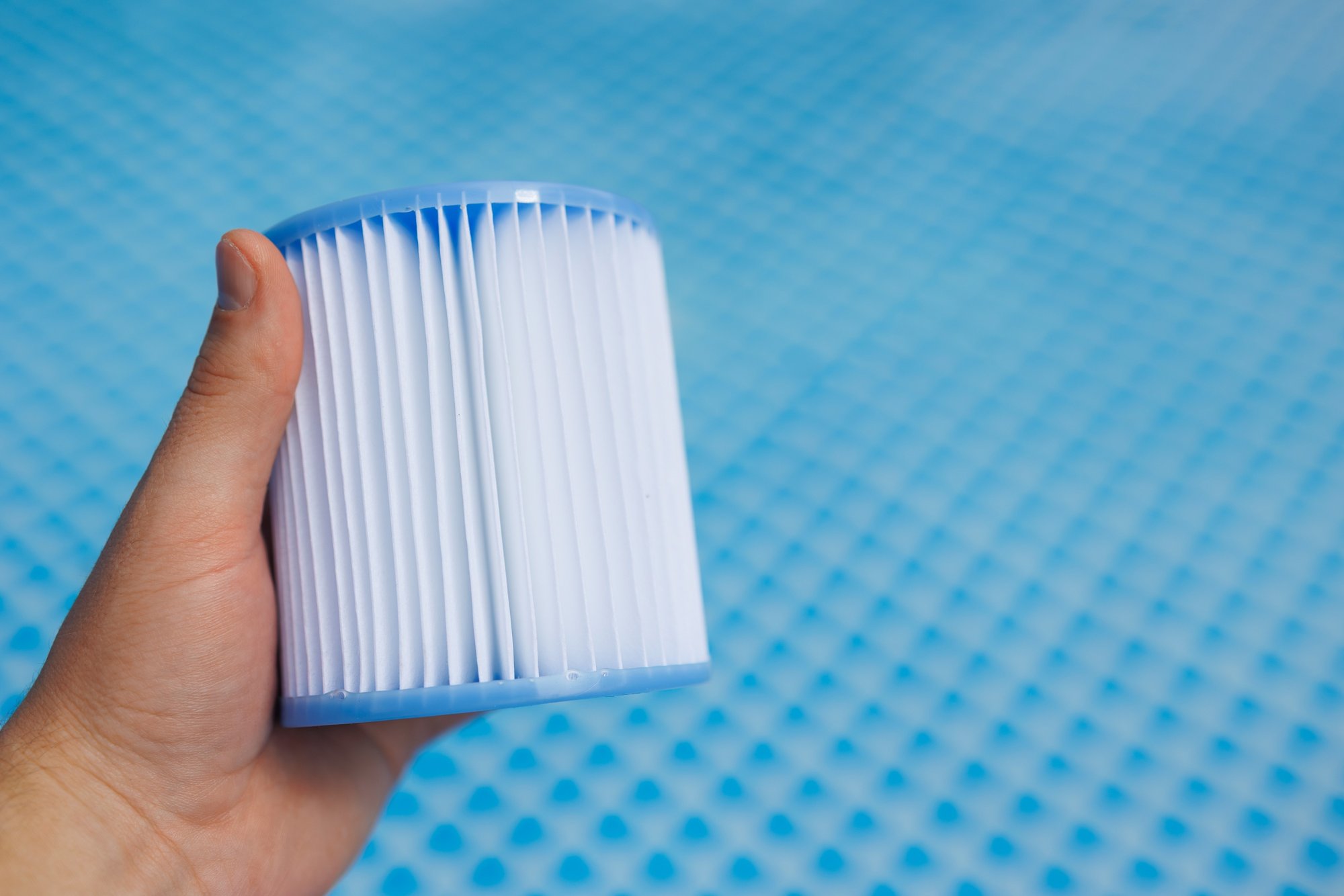
Pool filter care sounds simple until cloudy water shows up the week before a backyard party. Most filtration problems trace back to a few small habits that slowly wear down the system. The good news is you can fix each of these mistakes once you know what to look for.
Your filter works harder than almost any other part of your pool equipment. It traps dirt, debris, and contaminants every hour the pump runs. Below, we break down the most common filtration mistakes and how you can avoid them.

Backwashing at the Wrong Time or for Too Long
Backwashing reverses water flow to flush trapped debris out of sand and DE filters. Many owners do it on a fixed schedule, such as every Saturday, whether the system needs it or not. That habit can quietly hurt pool filter performance. A slightly dirty filter bed actually catches finer particles than a freshly flushed one. Frequent backwashing also sends water and treatment chemicals down the drain.
Stopping too early causes the opposite problem by leaving debris packed in the media. Run the cycle until the sight glass shows clear water, usually two to three minutes, then rinse briefly. Our guide on proper backwashing technique walks through each valve position in detail. DE owners should also add a fresh charge of powder afterward, since the grids need that coating to work. Always shut off the pump before turning the multiport valve to protect the internal gasket.

Neglecting Routine Pool Filter Checks
The pressure gauge on top of your tank is one of the most useful maintenance tools you own. Yet many homeowners ignore it until the water turns hazy. Note the reading right after a thorough cleaning, because that number becomes your clean baseline. Writing it on a piece of tape near the gauge makes it easy to remember. When the gauge climbs 8 to 10 PSI above it, your filter needs attention.
Weekly checks should also include the lid O-ring, drain plug, and pump basket. A cracked O-ring pulls air into the line, which reduces flow and strains the motor. An overstuffed pump basket starves the entire pool filter system of water. Here in the Chicago area, skipping the winter drain-down lets freezing water crack the tank. A few minutes of inspection each week prevents most of these slow-building issues.
Cleaning Shortcuts That Damage the Media
Cartridges and DE grids need hand cleaning, and this is where shortcuts often backfire. A pressure washer feels efficient, but it can tear the delicate pleats of a pool filter cartridge. A garden hose with a standard nozzle works better, especially when you rinse from top to bottom. For oils and mineral scale, soak the cartridge overnight in a dedicated filter cleaner. Keeping a spare cartridge on hand lets you swap one in while the other soaks.
Timing matters as much as technique. Some owners scrub cartridges every week, which wears out the fabric faster than normal use would. Others wait until flow drops to a trickle. Our article on deep cleaning cartridges, grids, and sand covers each filter type step by step. Handle chemical cleaners with care, and never mix acid products with chlorine, because the combination releases toxic gas.

Running the Wrong Pump and Valve Settings
Your pool filter can only clean the water that actually reaches it. Running the pump too briefly leaves part of the pool unfiltered each day. Variable-speed pumps help because they run longer at lower speeds. Research from the Building America Solution Center shows that cutting pump speed in half drops energy use to roughly one-eighth. With the right setup, your system can turn over the full water volume daily without a painful electric bill.
Valve positions cause their own share of trouble. Leaving a multiport valve on recirculate bypasses the filter entirely, while the waste setting drains water out of the pool. Pushing water faster than the filter’s rated flow also forces fine debris through the media. Check your equipment labels and keep pump output within the filter’s capacity. If you’re unsure which setting fits your pool, the owner’s manual usually lists recommended flow rates.

Delaying Pool Filter Replacement
Every filter has a finite lifespan, even with excellent care. Holding onto worn media keeps water cloudy and makes the pump work harder. Watch for these signs that replacement is overdue:
- Pressure climbs back up within days of a cleaning or backwash.
- Cartridge pleats look flattened, frayed, or permanently discolored.
- Sand has clumped into hard chunks or lets water channel through gaps.
- Sand or DE powder blows back into the pool through the return jets.
- Cloudy water persists despite balanced chemistry.
Cartridges typically last one to three years, sand lasts five to seven, and DE grids can reach ten. When sand wears out, replacing the sand in your filter often restores performance without a new tank. Cracked tanks are a different story. When a repair costs over half the price of a new unit, full pool filter replacement is usually smarter.
Keeping Your Filtration System in Top Shape
Most filtration mistakes come down to timing, settings, and a little attention. Watch the gauge, clean gently, and replace worn media before it fails. Those habits keep your pool filter running efficiently season after season. At Chip & Dip Pool & Spa Service, our team handles filter cleaning, repairs, and replacements throughout the Chicago suburbs. We see these issues every week, so no question feels too small.
If your water looks dull or your gauge keeps creeping up, reach out to our crew, and we’ll sort it out together.

