
Every pool owner eventually hits the same wall: cloudy water, a struggling pump, and a filter that just is not doing its job anymore. Learning how to change sand in pool filter systems before these problems appear can save you time, money, and a whole lot of frustration. Sand filters are reliable, but the sand inside them wears down over time. When that happens, filtration performance can suffer, and your pool may become harder to keep clear.
This guide walks through when to replace filter sand, how to spot the warning signs, and what happens if you wait too long.
Why Filter Sand Wears Out Over Time
Sand filters work by trapping dirt, debris, and small particles as water passes through the tank. Over time, the edges of the sand grains become smoother. Smooth sand cannot trap debris as effectively and may begin to clump together. This can reduce the filter's ability to capture fine particles.
Most sand filters typically need new filter sand every three to five years, depending on how often you run your pool and how well you maintain it. Pools that see heavy use or sit near trees and open landscaping may need a replacement sooner.
Regular maintenance plays a big role here too. Homeowners who stay on top of their pool maintenance can often catch filter problems early, before they turn into bigger repairs.

Signs Your Filter Sand Needs Replacing
Before you commit to changing the sand, look for these common signs.
Cloudy or Hazy Water
If your water looks cloudy even after you shock the pool and balance the chemicals, your filter sand may no longer be doing its job. Clean sand should leave your water clear within a day or two of a good backwash.
Rising Pressure Gauge Readings
A pressure gauge that climbs faster than usual, even after backwashing, often points to worn or clogged sand. Compacted sand blocks water flow and forces your pump to work harder.
Sand in the Pool
Finding sand at the bottom of your pool is a clear signal something is wrong. This usually means the laterals inside the filter tank have cracked, letting sand escape into the water.
Longer Filter Cycles
If you notice your filter running longer to achieve the same water clarity it once reached quickly, the sand bed has likely lost its effectiveness.

What Happens When You Wait Too Long
Ignoring these warning signs does not just mean less sparkling water. It can also put extra strain on your pool equipment and make it harder to maintain proper water quality.
Old or compacted sand may allow more fine debris and contaminants to pass through the filter. As filtration becomes less effective, your pump may need to work harder to maintain proper circulation, which can contribute to equipment wear over time.
Water quality also matters for health reasons, not just aesthetics. According to the Centers for Disease Control and Prevention, proper filtration and disinfection are important parts of maintaining healthy pool water. A worn filter can make that job harder, even when your chemical levels appear to be within the recommended range.

How to Change Sand in Pool Filter Systems
Once you have confirmed your sand needs replacing, the process generally follows these steps.
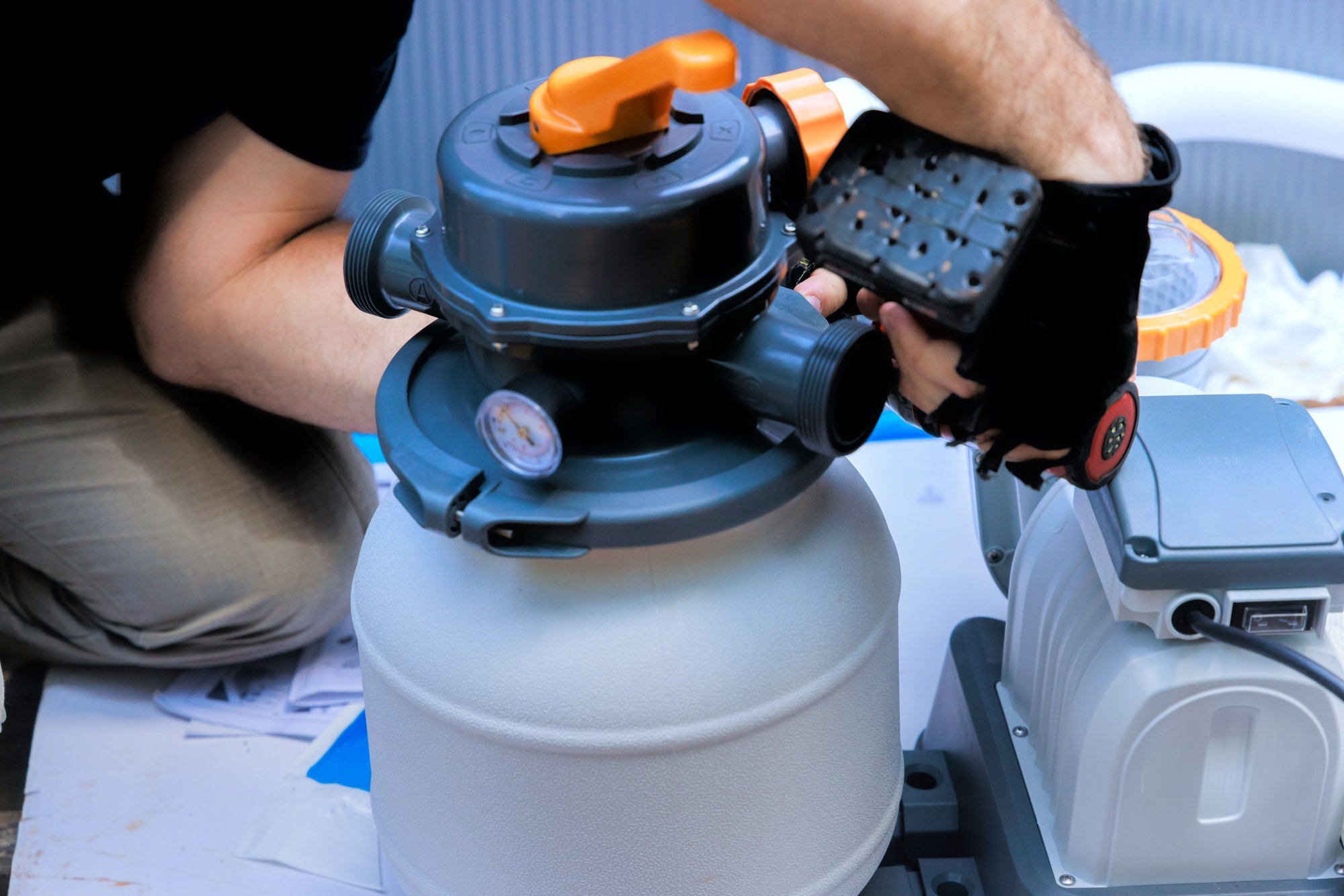
First, turn off the pump and release all pressure from the filter tank. Next, remove the multiport valve or top plate to access the sand bed. Use a wet vacuum to remove the old sand, taking care not to damage the internal laterals as you work.
Rinse the tank thoroughly before adding new filter sand. Pour the new sand in slowly and carefully to avoid damaging the laterals, and fill to the manufacturer's recommended level. Finally, reassemble the filter, refill the tank with water, and run a backwash cycle before returning to normal filtration mode.
This process takes patience and a careful hand. Many homeowners choose to have a professional handle it, especially if they are unsure about the condition of the laterals or valve components.

How to Change Sand in Pool Filter: The Right Sand and Filter Setup
Not every pool uses the same filtration approach, and your equipment choice matters just as much as your maintenance schedule. Fiberglass pool owners, for example, often ask whether their filtration needs differ from other pool types. If you are still deciding on a pool design or upgrading an older system, it helps to talk through your filtration options with someone who understands the full picture.
Trust Chip & Dip for Filter Maintenance and Repairs
At Chip & Dip Pool & Spa Service, we help homeowners avoid the guesswork that comes with filter maintenance. Our team inspects your sand filter, checks for cracked laterals, and recommends the right sand type and grade for your system. We also handle full sand replacements when your filter has reached the end of its lifespan, so you do not have to worry about doing it yourself.
Filter sand does not last forever, and catching the signs early keeps your pool running smoothly all season long.
If your filter pressure keeps climbing or your water just is not staying clear, connect with our team. We would love to take a look at your system and get your pool back to crystal clear.

