
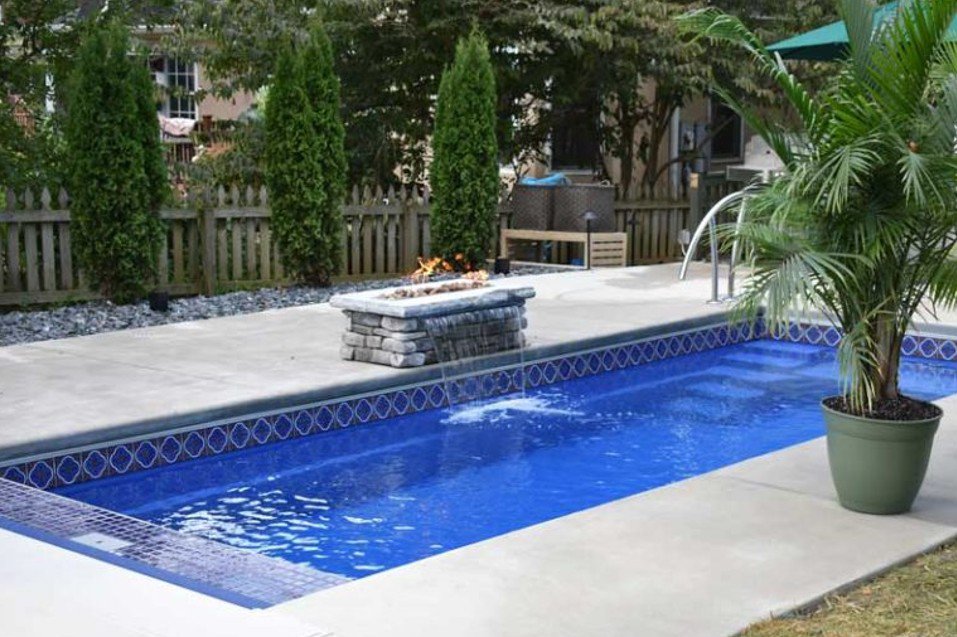
A fiberglass inground pool can be a strong choice for homeowners who want a backyard pool that feels clean, durable, and easier to manage over time. It can also work well in many backyard layouts, from compact spaces to larger designs with added features.
The bigger question is whether a fiberglass inground pool fits the space, the upkeep expectations, and the way the backyard will actually be used. A clear overview can help homeowners know what to expect and what to consider before moving forward.
What a Fiberglass Inground Pool Offers Homeowners
A fiberglass inground pool offers a clean, finished look and a style that works well in many backyards. It can fit a compact space, a larger entertaining area, or a broader outdoor design with added features around it.
One reason homeowners often consider this option is flexibility. A fiberglass inground pool can support different goals, whether that means everyday family use, a more relaxing backyard setup, or added visual appeal. Looking at available fiberglass pools can help show how these pools fit into different backyard plans.
It also helps to have experienced guidance. The right pool is not only about appearance. It also needs to fit the yard, support the way the space will be used, and work with the broader plan for the property.
Why a Fiberglass Inground Pool Can Be Easier to Maintain
A fiberglass inground pool can appeal to homeowners who want a pool that feels easier to manage over time. Long-term ownership is not only about how the pool looks on installation day. It is also about how practical it feels to clean, maintain, and use week after week.
Day-to-day care still matters, but the right setup can make ownership feel more manageable. Equipment choices, service support, and regular upkeep all affect how easy the pool is to live with over time. Looking at available maintenance and service options can help homeowners understand what ongoing support may look like after installation.
It also helps to think about the system behind the pool, not just the shell itself. Reviewing available pool equipment can give homeowners a better sense of how practical components support cleaner water, smoother operation, and a better ownership experience overall.
What Sizes and Layouts Work Best for Different Backyards
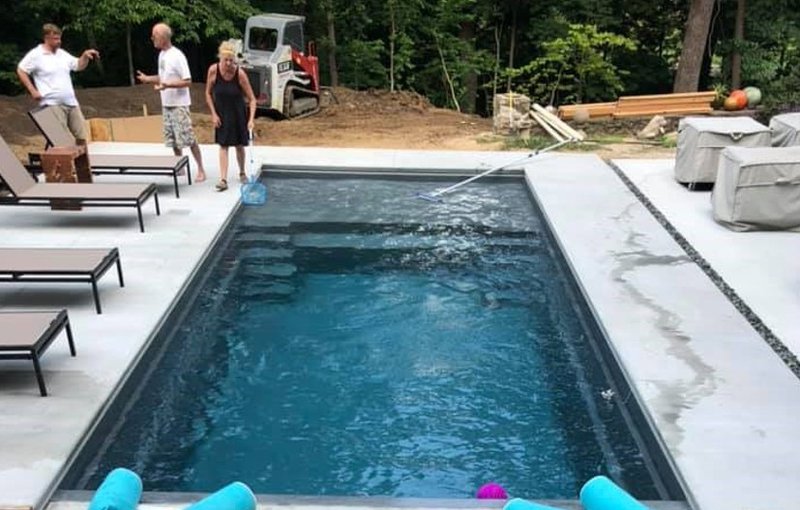
The right fiberglass inground pool size depends on more than the available yard space. It also depends on how the pool will be used, how much room should remain around it, and what kind of backyard experience the homeowner wants to create.
A larger pool may make sense for families who want more swimming space or a backyard designed around entertaining. A smaller layout may be a better fit when the goal is to preserve patio space, keep the design simple, or work within a more compact footprint. Looking through available swimming pool models can help homeowners compare different sizes and layouts more clearly.
It also helps to look at real examples. Reviewing completed pool projects can show how different pool sizes fit into different backyards and how the surrounding space shapes the overall feel of the design.
What a Fiberglass Inground Pool Requires Before Installation
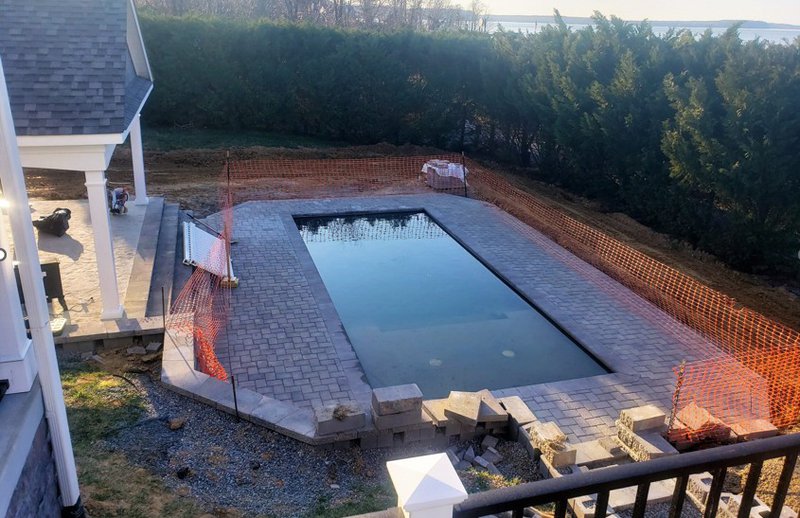
A fiberglass inground pool requires more than a clear spot in the yard. Before installation begins, the property needs to be evaluated for layout, access, grading, drainage, and the overall plan for the space.
Some yards are more straightforward than others. Open access can make the process easier, while tight entry points, slope issues, or drainage concerns may require more planning. These factors can affect how the project moves forward and what type of pool layout makes the most sense for the property.
That is one reason early guidance matters. Learning more about the pool installation process can help homeowners understand what should be considered before the pool ever goes in the ground.
What Cleaning and Equipment Matter Most After Installation
Once the pool is installed, day-to-day ownership depends on more than the shell alone. Cleaning habits, equipment choices, and seasonal care all affect how easy the pool is to manage over time.
A few essentials shape that experience most:
- Filters: A reliable filter helps keep the water cleaner and supports easier routine care. Looking at available pool filters can help homeowners understand how filtration affects maintenance.
- Pumps: The pump plays a major role in circulation and overall performance. Reviewing different pool pumps can help homeowners see how the system supports regular use.
- Covers: A cover can help with protection, upkeep, and convenience after installation. Comparing different types of pool covers can help homeowners decide which option fits their needs best.
- Seasonal care: Regular upkeep still matters as weather and pool use change through the year. A good routine helps protect both water quality and equipment performance.
- Ongoing support: The right setup can make cleaning and maintenance feel more manageable. That is one reason many homeowners benefit from guidance on both equipment and long-term service needs.
The right equipment and support can make the pool easier to enjoy long after installation is complete.
How to Decide if a Fiberglass Inground Pool Is the Right Choice
A fiberglass inground pool can be a strong fit for many backyards, but the right choice depends on more than appearance alone. Homeowners also need to think about maintenance, cleaning, size, layout, and what the property can support before installation begins.
That is why it helps to look at the full picture. A pool should fit the way the backyard will be used, the level of upkeep the homeowner wants, and the broader plan for the outdoor space. When those pieces come together, the decision becomes easier.
If you are thinking about a fiberglass inground pool and want answers about size, cleaning, layout, or installation requirements, contact Chip and Dip Pool Services to talk with a team that can help plan the right fit for your backyard.
