
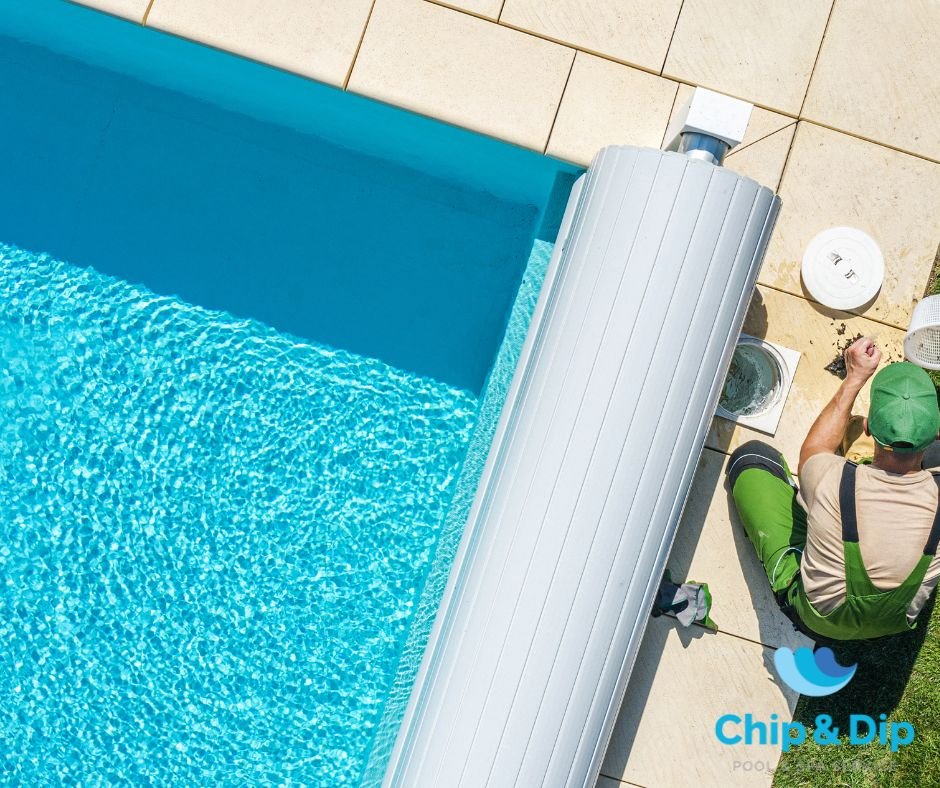
Pool cover upgrades rarely get the spotlight, yet few additions do more for daily pool care. A good cover keeps debris out, holds warmth in, and slows water loss around the clock. Many homeowners only notice its value after a season without one.
This guide explains how covers reduce cleaning time, water waste, and energy costs. You will also see the main cover types and where each one fits best. That way, you can choose with confidence for your own backyard.

How a Pool Cover Saves You Time on Maintenance
Leaves, grass clippings, pollen, and insects all find their way into open water. Once inside, they sink, break down, and feed algae. Your skimmer and pump then work harder to pull everything back out. A well-fitted pool cover stops most of that mess before it ever reaches the water.
That means fewer afternoons spent skimming, brushing, and vacuuming. It also means your filter clogs less often between cleanings. If you already follow a routine for cleaning your pool filter, you may notice longer stretches between sessions. Fresh-cut lawns, spring pollen, and fall storms become far less of a headache. In autumn, one nearby tree can fill a skimmer basket in a single afternoon.
Cutting Evaporation and Water Waste
Every open pool loses water to sun, wind, and dry air. Those losses add up fast during hot, breezy Midwest summers. Topping off the pool raises your water bill and dilutes your carefully balanced chemistry. New fill water also arrives cold, so your heater must work to bring it up to temperature.
A pool cover acts as a barrier that traps moisture right at the surface. The EPA’s WaterSense pool guide points to covers as one of the most effective ways to curb evaporation. Less water loss also means fewer top-offs and steadier water levels for your skimmer. For water-conscious households, that benefit matters both financially and environmentally.
Lower Heating and Chemical Costs
Evaporation does more than drain water from your pool. It also pulls a surprising amount of heat out of it. The Department of Energy’s Energy Saver site calls covering an idle pool the top way to cut heating costs. It estimates savings of 50 to 70 percent and reports chemical use dropping by 35 to 60 percent. Those numbers add up quickly over a full swimming season.
Better heat retention lets you swim comfortably on cool June mornings and crisp September evenings. Your heater runs shorter cycles, which can reduce wear on the equipment over time. If you’re weighing what a pool heater costs to buy and run, a pool cover belongs in that budget conversation. Pairing the two often gives you more swimming days for less money.

Common Pool Cover Types and When Each Fits
No single pool cover suits every backyard. The right choice depends on your climate, budget, and how often you swim. Here are the main options homeowners consider:
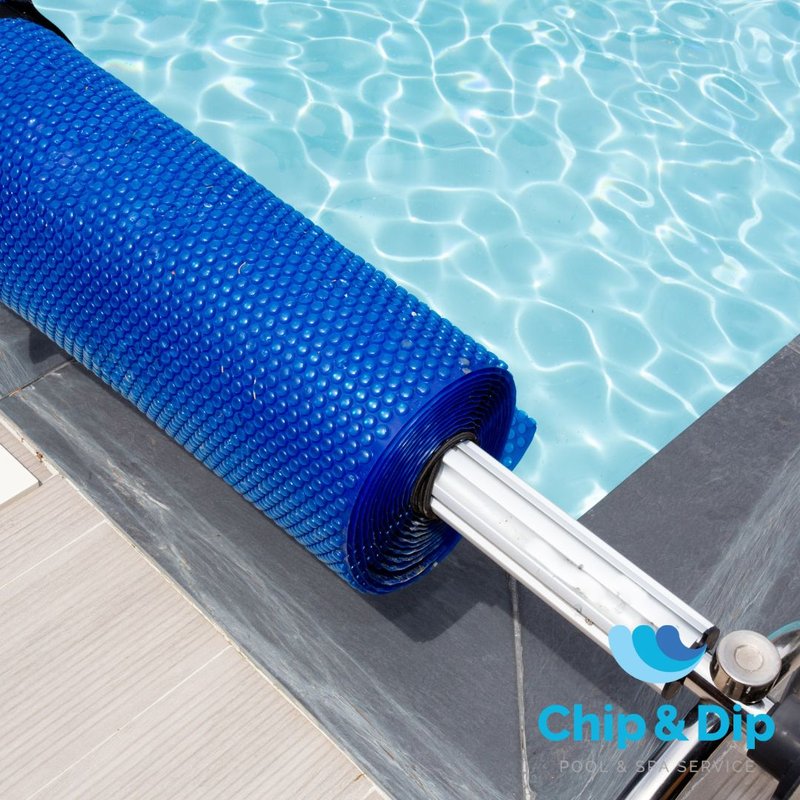
- Solar (bubble) covers: These lightweight sheets float on the surface and help the sun warm the water. They cost the least and suit owners who want to stretch the swim season.
- Insulated vinyl covers: Heavier vinyl lasts longer than bubble material and holds heat well. Some versions sandwich a thin insulation layer between two vinyl sheets.
- Automatic covers: A permanently mounted reel opens and closes the cover at the push of a button. They cost more upfront, but the convenience means families actually use them.
- Safety covers: These anchor to the deck or run in side tracks, and they can support the weight of several people. They suit households with young children or curious pets.
- Winter covers: These protect a closed pool from debris and harsh weather during the off-season. In northern Illinois, they help shield the water and surfaces through months of snow and ice.
Many Chicago-area homeowners combine options, such as a solar cover for summer and a safety cover for winter. Think about who uses the backyard and how much daily effort you want to spend. Those two questions usually point you toward the best fit. Your pool’s shape and deck layout may also narrow the options.

Getting the Most From Your Investment
A cover only saves money when it actually goes on the pool. Choose a style that matches your daily habits, or it may end up gathering dust in the garage. Automatic and semi-automatic systems remove most of the effort for busy families. Even a simple manual reel makes daily removal far easier for one person.
Proper fit matters just as much. A pool cover with gaps lets debris and heat escape around the edges. Your cover also works alongside the rest of your core pool equipment, from pumps to filters to heaters. When every system works together, you get cleaner water and lower operating costs.
Routine care extends cover life too. Rinse off debris, clear standing water, and check straps or tracks each season. Store manual covers out of direct sun whenever you aren’t using them.
Enjoy a Cleaner, More Efficient Backyard Oasis
A pool cover offers one of the best returns of any pool upgrade. It saves hours of cleanup, conserves water, and trims heating and chemical costs year after year. It also adds a layer of protection for your family and your equipment. Over a few seasons, those small daily savings turn into real, lasting value.
Choosing the right style comes down to your goals, routine, and pool design. At Chip & Dip Pool & Spa Service, our team installs and services covers for homeowners in the western suburbs. Have questions about which option suits your backyard? Give our team a call or send a message, and we’ll gladly walk you through what fits your pool best.

