
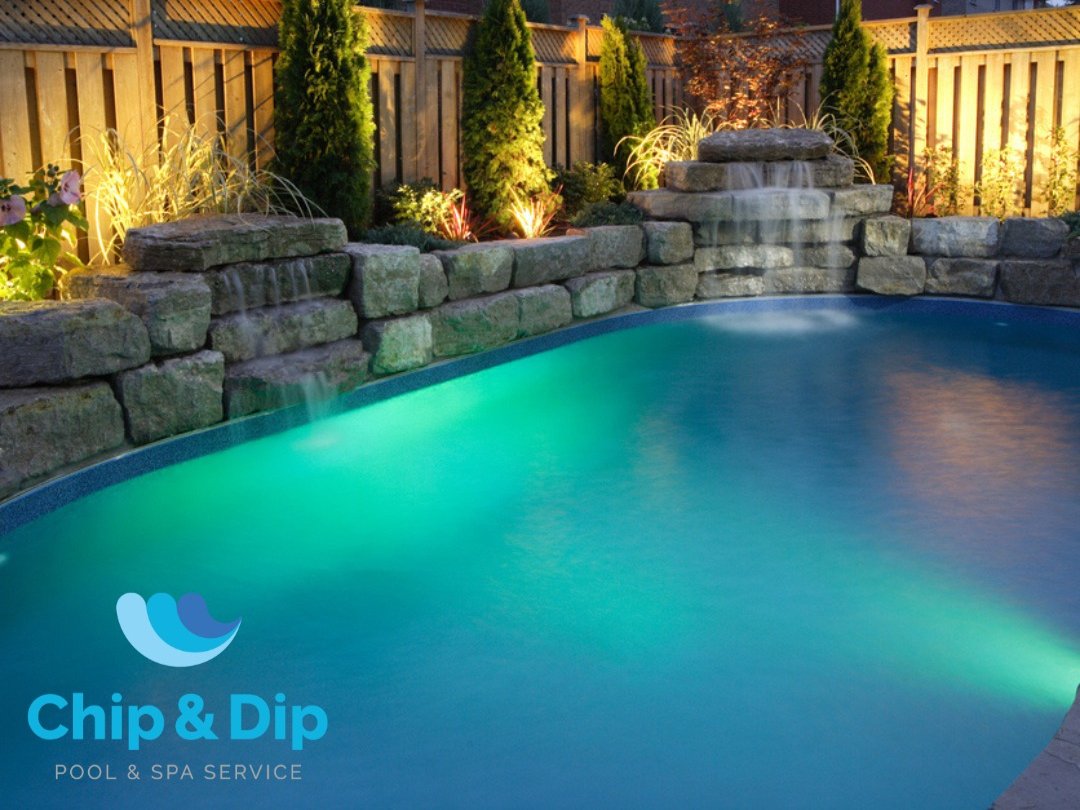
LED pool light upgrades give homeowners a simple way to enjoy their pools long after sunset. A dark pool can feel uninviting and hide hazards along steps and edges. The right lighting turns that same water into a glowing centerpiece for evening swims and quiet gatherings.
Good pool lighting goes well beyond flipping a switch, though. Brightness, color, energy use, and installation all shape how your pool looks and performs at night. This guide walks you through each factor so you can plan your upgrade with confidence.
Why an LED Pool Light Outshines Traditional Bulbs
For decades, most pools relied on incandescent or halogen fixtures. These older bulbs run hot, draw more power, and often burn out after a season or two. An LED pool light uses a fraction of that electricity while producing equal or brighter output. The U.S. Department of Energy reports that residential LEDs use at least 75% less energy than incandescent lighting. Those same savings carry over to fixtures installed underwater.

Lifespan matters just as much as efficiency. Many LED fixtures run for tens of thousands of hours, which can mean years between replacements. Fewer swaps mean less hassle and lower long-term costs. LEDs also run cooler, which eases stress on the lens and the gasket that keeps water out.
Energy-efficient pool lighting also pairs well with other smart equipment choices. Homeowners who run lights for several hours each night will notice the difference on their utility bills. Over a full swim season, those small savings add up.
Brightness and Nighttime Visibility
Good lighting does more than look nice. It helps swimmers judge depth, spot steps, and see each other clearly after dark. That visibility supports the layered habits that federal pool safety guidance encourages, such as constant adult supervision. A well-placed LED pool light delivers that clarity without harsh glare.
Manufacturers rate brightness in lumens, and the right level depends on your pool’s size and depth. Smaller plunge pools may need only one fixture, while larger pools often benefit from two or more. Comparing the underwater lighting options for your pool shape helps you avoid dark corners. Even spacing creates a soft glow across the whole surface.
Color temperature plays a role too. Cool white light makes the water look crisp and clean. Warm white feels softer and more relaxing for late evenings.
Color Options That Set the Mood
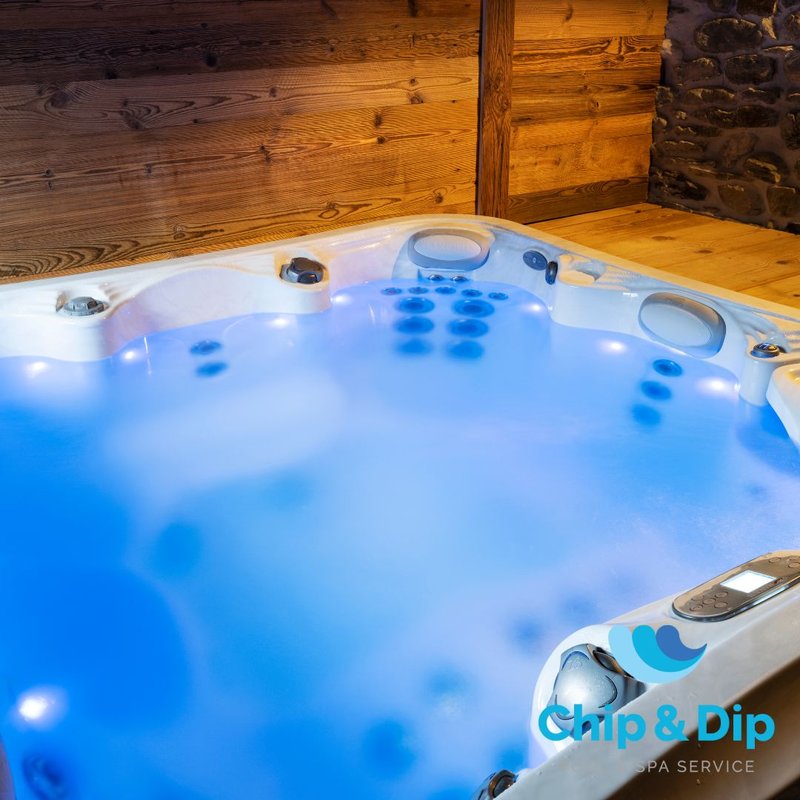
Color-changing pool lights have become one of the most popular backyard upgrades. Today’s LED pool light systems often include preset light shows, custom colors, and smartphone controls. Here are a few common ways homeowners put them to use:
- Calm evenings: Soft blues and whites create a relaxed, spa-like feel for quiet nights.
- Parties and gatherings: Slow color shows add energy without overwhelming your guests.
- Holidays and seasons: Custom color combinations let you match special events throughout the year.
- Landscape harmony: Many systems sync with spa, water feature, and yard lighting for a unified look.
Before you commit, check whether a new fixture works with your existing automation system. Compatibility keeps control simple and prevents frustrating setup issues later on.

How to Install an LED Pool Light Safely
Pool lighting combines water and electricity, so installation calls for real care. Most in-ground pools use a wall niche that holds the fixture behind a sealed lens. Some systems run on low-voltage 12-volt power, while others use standard 120-volt circuits. A licensed professional should handle the wiring, bonding, and GFCI protection for any LED pool light. DIY electrical work can also void manufacturer warranties.
Retrofitting an older pool is often easier than homeowners expect. Many LED fixtures fit standard niches, so you can upgrade without major construction. Lighting also connects to the core systems every pool needs, including the pump, filter, and controls. A coordinated plan keeps every component working together.
Local codes also shape how crews install underwater lights. Many municipalities require permits and inspections for new fixtures. A qualified installer handles these steps and confirms the system meets current electrical standards. That peace of mind lets you enjoy the results without second-guessing the work.
Signs It’s Time for a Pool Light Replacement
Even long-lasting fixtures eventually wear out. Flickering, dimming, or uneven color often signal a failing LED pool light or power supply. Condensation inside the lens points to a broken seal that needs prompt attention. A breaker that keeps tripping is another warning sign worth taking seriously.
If your pool still uses an incandescent fixture, replacement doubles as an efficiency upgrade. Consider the 50% rule as well. If repair costs approach half the price of a new fixture, replacement usually makes more sense. Regular pool maintenance and service visits can catch these problems early. Technicians can inspect seals, wiring, and fixtures during routine checks.
Older halogen fixtures also tend to yellow and dim as they age. Swapping to LED often brightens the pool right away. The difference can feel dramatic, especially in pools that have sat in shadow for years.
Light Up Your Evenings With Confidence
The right LED pool light transforms your backyard into a space you can enjoy at any hour. It improves visibility, trims energy use, and adds color that fits every occasion. Careful planning around brightness, placement, and installation helps you get the most from your investment.
At Chip & Dip Pool & Spa Service, we help Chicago-area homeowners choose, install, and maintain the right pool lighting. Whether you’re planning a new build or refreshing an older pool, we’re happy to talk through your options. Reach out to our team, and let’s find the glow that makes your backyard feel like home after dark.

