

A fiberglass pool is one of the lowest-maintenance investments a homeowner can make in their backyard, but "low maintenance" doesn't mean "no maintenance." Over time, sun exposure, water chemistry swings, and everyday wear can dull the surface and create issues that call for fiberglass pool resurfacing. Whether you installed a full-size in-ground pool, a small above-ground fiberglass model, or one of the plunge pools we've talked about earlier this summer, the surface underneath all that water needs periodic attention to stay smooth, bright, and structurally sound.
This guide walks through the common surface problems fiberglass pools develop, the resurfacing options available, and the everyday habits that stretch a pool's lifespan by years.
Why Fiberglass Pool Surfaces Change Over Time
Every fiberglass pool resurfacing job starts with a gel coat finish. This is a smooth outer layer that gives the shell its color and shine while sealing it against water intrusion. That gel coat is durable, but it isn't immune to the elements. UV rays gradually break down the pool's finish over time. Unbalanced water chemistry can damage its protective surface. Pool chemicals, sunscreen residue, and mineral buildup also leave visible wear over the years.
This is one of the reasons fiberglass pools tend to hold up better than concrete over the long run, a comparison we explored in an earlier post on fiberglass versus concrete pools. Fiberglass simply has fewer seams and a nonporous surface that resists staining and algae growth. Even so, no surface lasts forever without some care, and knowing what to watch for helps you catch problems early.
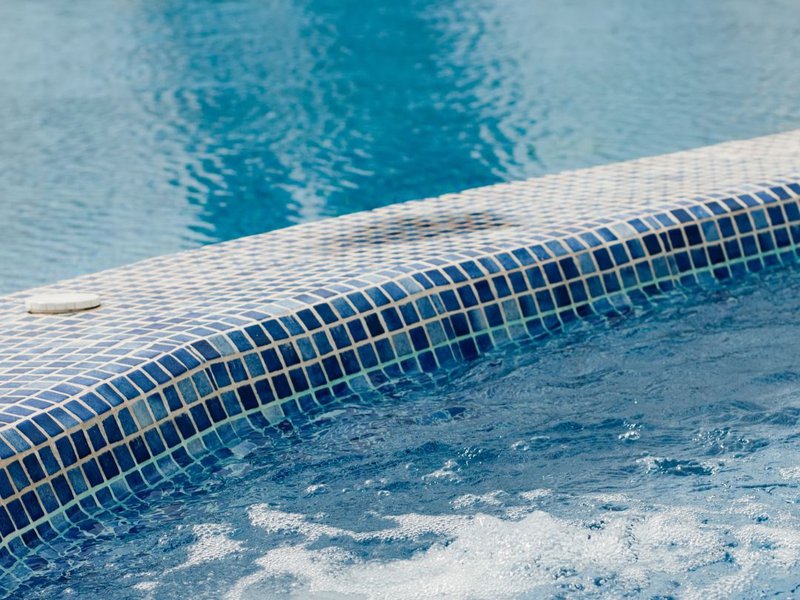
Common Fiberglass Pool Surface Issues
Homeowners typically notice a handful of recurring issues as a fiberglass shell ages, making fiberglass pool resurfacing necessary:
- Fading and chalking. Prolonged sun exposure can cause the gel coat to lose its vibrant color. Additionally, the coat may start developing a chalky texture on the surface.
- Spider cracks. These small, web-like cracks form in the gel coat and are usually cosmetic, but they can widen if left unaddressed.
- Blistering. Sometimes called osmotic blistering, this happens when moisture becomes trapped beneath the gel coat and forms small bubbles.
- Rough patches or texture changes. Areas that once felt smooth may start to feel gritty or uneven underfoot.
Catching these issues early is where fiberglass pool resurfacing becomes far more manageable and far less expensive than waiting until the damage spreads.
Fiberglass Pool Resurfacing Options
Not every fiberglass pool needs a full shell replacement. Depending on the extent of the wear, homeowners generally have a few paths forward:
- Gel coat touch-up. For minor fading or small cracks, a professional can patch and refinish specific sections without redoing the entire surface.
- Full gel coat resurfacing. When wear is widespread, applying a new gel coat layer restores color, smoothness, and protection across the whole shell.
- Epoxy or fiberglass resurfacing. For pools with more significant damage, a fresh layer of fiberglass and resin creates a durable new surface that can outperform the original finish.
Each option comes with a unique fiberglass pool cost and timeline, which is why a professional assessment matters before committing to a repair plan.
Warning Signs You Shouldn't Ignore
Some issues are cosmetic, but others signal it's time to call in a professional. Keep an eye out for:
- Cracks that grow wider or deeper over a season
- Water that stays cloudy despite proper chemical balance
- Rough spots that scrape skin or swimsuits
- Visible blisters that pop and leave exposed fibers
- Discoloration that spreads rather than staying isolated
If you notice any of these, it's worth scheduling an inspection before the next swim season rather than waiting for a small issue to become a costly one.
Long-Term Maintenance That Extends Pool Lifespan
Fiberglass pool resurfacing solves existing problems. However, consistent maintenance is what keeps a fiberglass pool from needing frequent repairs in the first place. A few habits make a meaningful difference over the years:
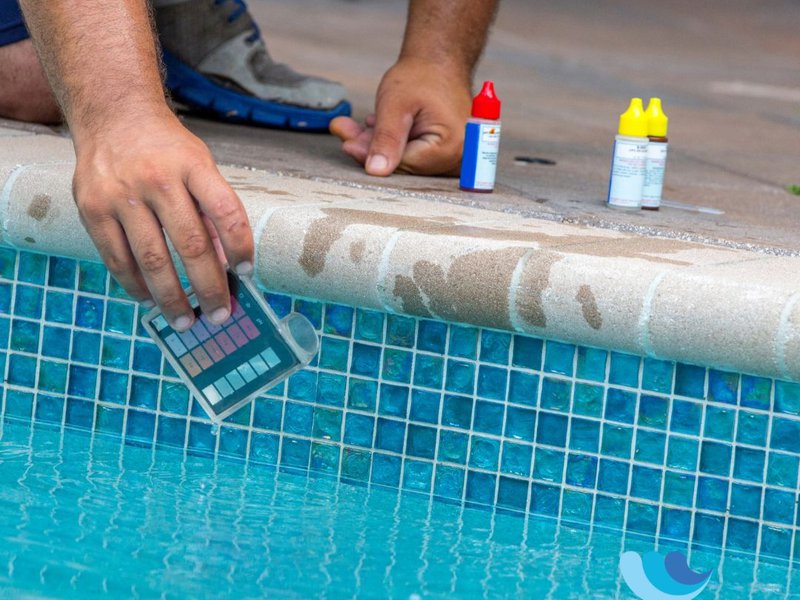
- Balance your water chemistry regularly. The Centers for Disease Control and Prevention recommends keeping pool pH between 7.0 and 7.8, since water outside that range can irritate swimmers and gradually wear down pool surfaces and equipment. Testing water weekly and after heavy rain or high bather loads helps protect your gel coat from unnecessary damage.
- Clean gently. Fiberglass surfaces are smooth, so use soft brushes and pool-safe cleaners rather than abrasive tools that can scratch the finish.
- Keep an eye on your equipment. Pumps, filters, and heaters that aren't running properly can throw off water balance, which puts extra stress on the pool surface.
- Cover your pool during the off-season. A quality cover reduces debris buildup and shields the surface from added strain when the pool isn't in use.
Combined with the color and finish options available on newer fiberglass models, these habits can help a well-built pool last for decades with only minor resurfacing needed along the way.
Protecting Your Investment
Whether you own a backyard oasis or a compact above-ground fiberglass pool, the same principles apply. Those principles also apply to a cozy plunge pool in a smaller yard. Fiberglass pool resurfacing is a normal part of pool ownership. Addressing it early keeps your pool looking and performing its best for years.
At Chip & Dip Pool & Spa Service, our team has years of experience installing, maintaining, and restoring fiberglass pools across the Chicago area. From routine maintenance plans to full surface restorations, we know what it takes to keep a fiberglass shell in great shape season after season.
If your pool's surface is showing its age or you simply want a second opinion before your next swim season, request an estimate from the Chip & Drip experts. We're happy to take a look, answer your questions, and help you decide on the right next step for your pool.
