
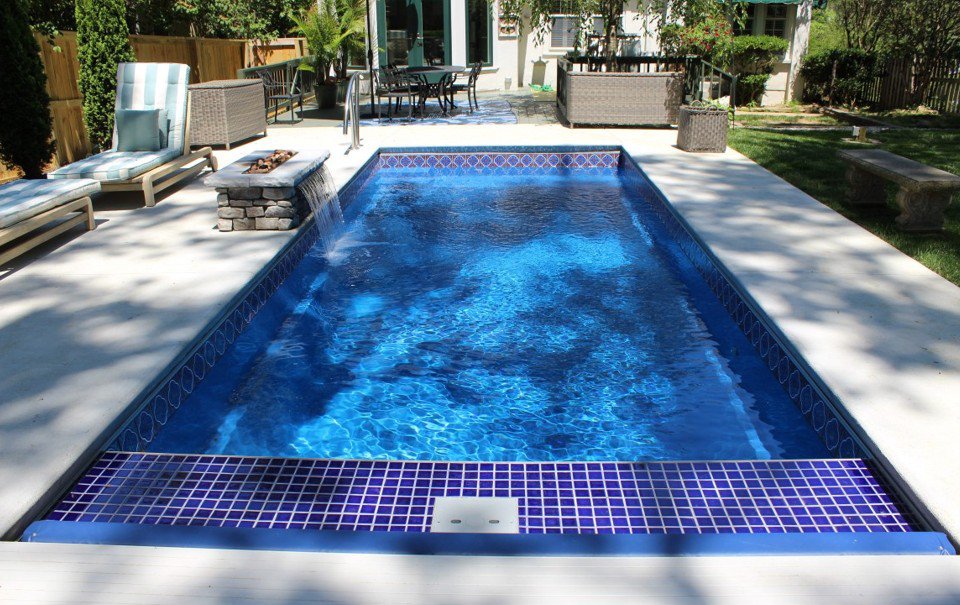
Fiberglass pool cost is one of the first questions homeowners ask when planning a backyard pool. Most want a real starting point, but they also want to know what that number actually means once the full project comes into view.
That is why fiberglass pool cost makes more sense when it is broken down in a practical way. Homeowners usually start by asking what the quoted price includes, then what causes the number to rise, and how choices like depth, shape, and added features affect the final investment.
A good first step is to look at what the starting price actually covers before moving into the factors that raise the total.
What Fiberglass Pool Cost Really Covers
One of the biggest mistakes homeowners make is assuming every quote covers the same scope. In reality, one estimate may focus on the shell and basic installation, while another may include more equipment, site work, and finishing details.
At Chip & Dip, complete fiberglass pool packages start at $75,000. That starting package includes the fiberglass pool, color-changing LED lights, a single-speed pump, filter, heater, pool cleaning equipment, a test kit, and start-up chemicals.
That number gives homeowners a useful starting point because it reflects more than the shell alone. It also helps set expectations early. Before comparing quotes, homeowners need to know whether the price covers only the pool itself or a more complete package.
Why Homeowners Often Pay More Than the Starting Number
In most cases, what homeowners actually pay is higher than the entry price. A starting number is helpful, but it is still only the beginning of the pricing conversation.
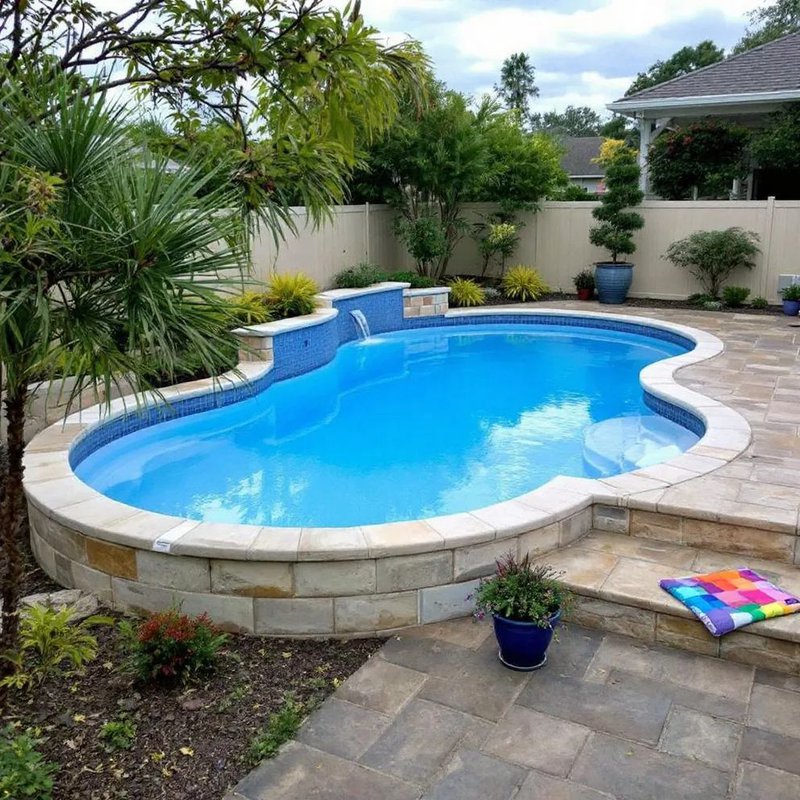
A larger pool will usually cost more than a smaller one. The same is true for pools with more complex shapes, deeper profiles, or built-in features. Looking through available swimming pool models helps show why price can vary so much from one project to another. The model lineup includes a wide range of shapes, lengths, widths, and depths, which makes it clear that there is no one-size-fits-all number.
Site conditions can also raise the total. Access to the yard, grading, drainage needs, and decking choices all affect how involved the project becomes. Once those variables are added, the total becomes much more specific to the property. Proper drainage and sump systems are also part of what supports long-term performance after installation.
Quick Cost Breakdown
The starting package answers the first question quickly, but it also helps to separate what is included from what can move the price higher.
Starting package: $75,000
What the starting package includes:
- Fiberglass pool
- Color-changing LED lights
- Single-speed pump
- Filter
- Heater
- Pool cleaning equipment
- Test kit
- Start-up chemicals
What can raise the final cost:
- Pool size
- Pool depth
- Pool shape
- Built-in features
- Decking choices
- Site access
- Grading and drainage
- Added amenities such as spas or tanning ledges
Does Depth Affect Fiberglass Pool Cost?
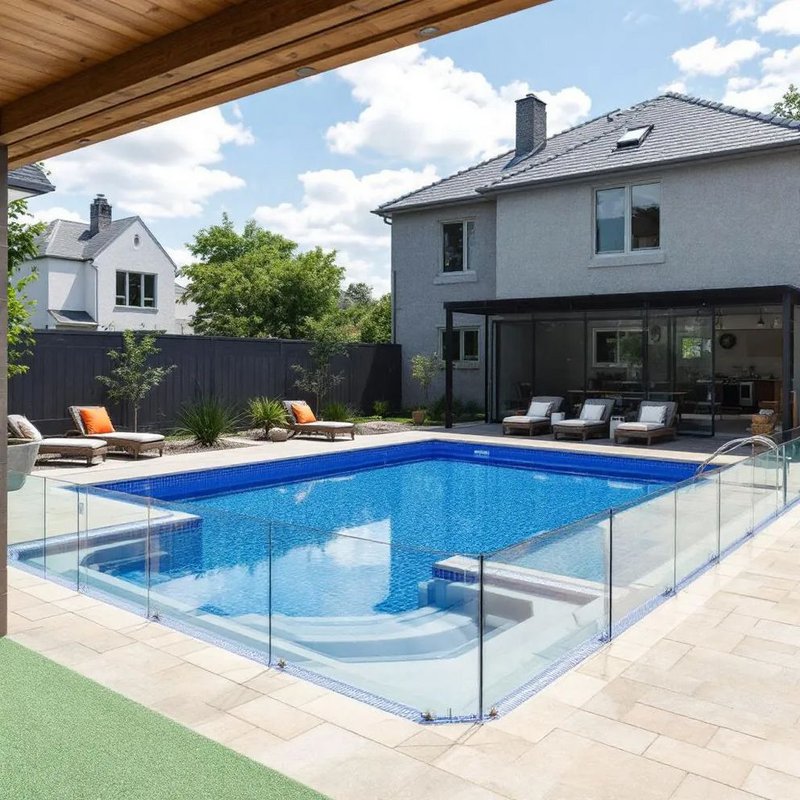
Yes, depth can affect fiberglass pool cost, but it should not be treated as a stand-alone pricing formula. A deeper pool often comes with other cost drivers at the same time, such as a larger footprint, a different shape, or more built-in design elements.
That is why it helps to treat depth as one factor within the full project cost. Chip & Dip’s model lineup includes flat-bottom pools around 4'11", along with larger options that go past 6 feet and even one model listed with an 8-foot-deep end. That range shows why depth matters, but also why it does not explain pricing on its own.
For homeowners, the practical takeaway is simple. A deeper pool may cost more, but the final price still depends on the full combination of size, shape, layout, and features.
What Else Can Raise the Total Investment
After the pool itself, upgrades and surrounding features often have the biggest effect on price. Some homeowners want a more straightforward setup. Others want a more complete backyard design with added comfort and visual appeal.
Features such as tanning ledges, attached spas, upgraded decking, and other outdoor elements can move the project well beyond the starting number. Exploring options like spas and tanning ledges can help homeowners see how those additions shape both the experience and the investment.
It also helps to think beyond the shell. Equipment, covers, lighting, and sanitation upgrades can all affect the final number, especially when homeowners want a setup that feels easier to manage over time. Chip & Dip’s models page also notes upgrades such as salt systems, safety covers, and auto covers.
How to Budget More Realistically
The best way to budget for fiberglass pool cost is to start with the base package, then separate must-haves from nice-to-haves. That makes it easier to protect the essentials while planning for the features that matter most.
A good first step is to decide what the backyard needs to do. Some homeowners want more swim space. Others care more about entertaining, comfort, or visual impact. Once those priorities are clear, it becomes easier to compare pool models, features, and upgrades without losing sight of the budget.
In the end, homeowners are not just paying for a shell. They are paying for the pool, the installation, the equipment, and the backyard experience built around it. If you want a clearer idea of what your project may cost, request an estimate or contact Chip & Dip Pool Services to talk through your yard, your goals, and the features you want most.
