
Not every above-ground pool is built the same way, and homeowners researching their options are quickly finding that out. While traditional above-ground pools have long been the budget-friendly go-to, the above-ground fiberglass pool is changing expectations around what this category can look like, how long it lasts, and how little work it takes to maintain.
If you are weighing your options for a backyard pool this season, here is how the two compare and why fiberglass is winning over so many homeowners.
Above-Ground Fiberglass Pool vs Traditional Above-Ground Pools
Traditional above-ground pools typically use a steel, resin, or aluminum frame with a vinyl liner stretched across it. They are affordable and quick to set up, but they come with tradeoffs. Liners can tear, frames can rust or warp over time, and the overall look tends to feel temporary rather than built-in.
An above-ground fiberglass pool takes a different approach. A single molded fiberglass shell replaces the traditional frame and liner system. This construction gives homeowners a sturdier structure, a smoother finish, and a more permanent look. Installation still requires less work than a full in-ground build.
Installation Requirements for an Above-Ground Fiberglass Pool
Traditional above-ground pools are known for fast setup, sometimes in a single day, since they mostly involve assembling a frame and fitting a liner. However, that simplicity can come at the cost of long-term stability, especially on uneven ground.
An above-ground fiberglass pool requires a bit more site preparation, including a leveled base and proper support around the shell, but the payoff is a much more stable and long-lasting structure. Installation typically includes:
- Site evaluation and leveling
- Base preparation for the shell
- Placement of the fiberglass shell
- Plumbing and equipment connections
- Backfill and finishing touches around the pool
Even with these additional steps, most fiberglass installations are completed in a matter of days, not weeks, keeping the process efficient while delivering a far more durable result.

Comparing Costs
Traditional above-ground pools are usually the cheaper option upfront, which is part of why they have been a popular choice for decades. However, homeowners often find themselves replacing liners, patching frames, or dealing with rust within just a few years. This adds up in repair and replacement costs over time.
An above-ground fiberglass pool generally has a higher upfront cost, but the investment tends to pay off through:
- Fewer repairs and replacement parts over the pool's lifespan
- Lower long-term maintenance costs
- A finish that resists fading, cracking, and staining
- A structure built to outlast typical liner and frame systems
When you factor in total cost of ownership rather than just the initial price tag, an above-ground fiberglass pool often becomes the more economical choice over a ten- to twenty-year span.
Durability That Actually Holds Up
This is one of the clearest differences between the two options. Vinyl liners are prone to punctures, UV damage, and general wear, often needing replacement every several years. Metal frames can corrode, especially in humid climates or near saltwater pool systems.
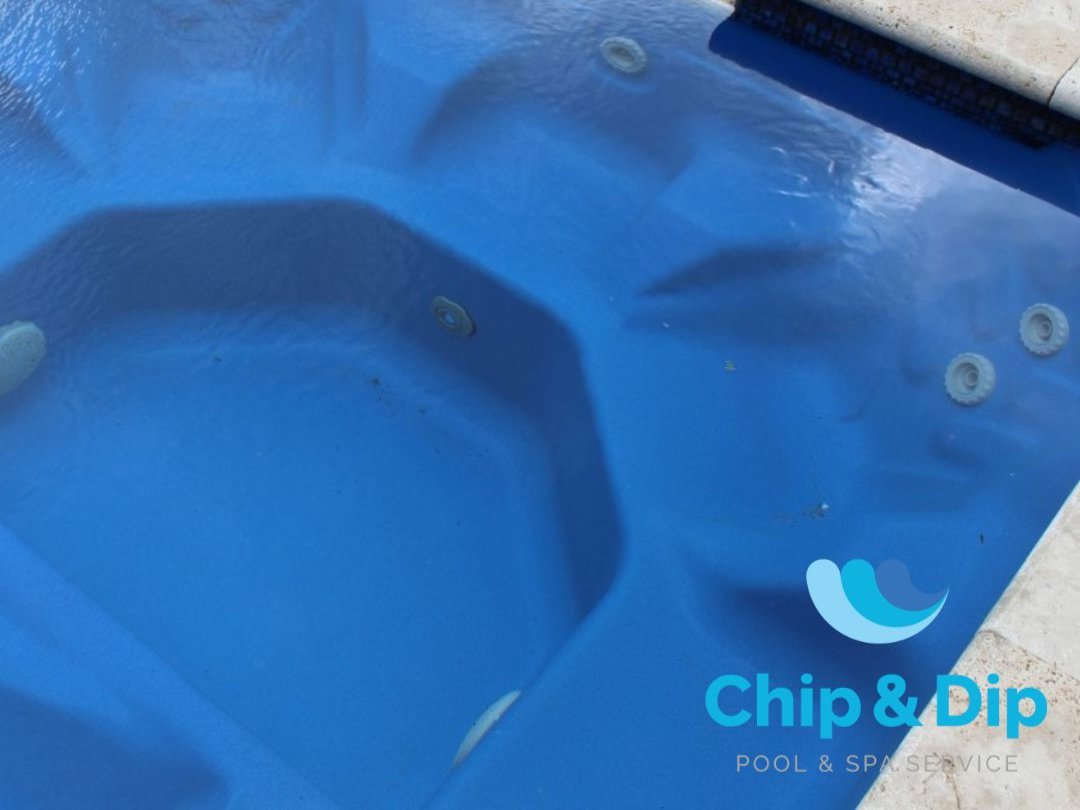
Fiberglass shells, on the other hand, are built as a single, non-porous unit with a durable gel coat finish. The shell has no seams for water to seep behind, no liner to stretch or tear, and no frame joints to weaken. Homeowners who want lasting performance can count on an above-ground fiberglass pool for years of reliable use.
Maintenance: Less Time Cleaning, More Time Swimming
Because fiberglass surfaces are non-porous, they naturally resist algae growth and require fewer chemicals to keep the water balanced. Traditional vinyl liners can develop rough patches or small tears that trap bacteria and algae. As a result, homeowners often need more frequent cleaning and treatment.
Surface material plays a bigger role in pool maintenance than most homeowners realize. A smooth, sealed shell limits the places where organic material can build up, which means less scrubbing, fewer chemical spikes, and more consistent water clarity between cleanings. Frame and liner systems, on the other hand, introduce more seams, textures, and material transitions, each one a potential spot for wear, staining, or bacterial growth over time.
This lines up with guidance from public health authorities on pool care more broadly. The CDC’s Healthy Swimming Program recommends pool and hot tub owners routinely test and maintain proper chlorine and pH levels to protect swimmers and preserve the pool itself, since imbalanced water does not just affect swimmer comfort; it can also wear down surfaces and equipment faster over time.
Above-Ground Fiberglass Pool on Backyard Compatibility
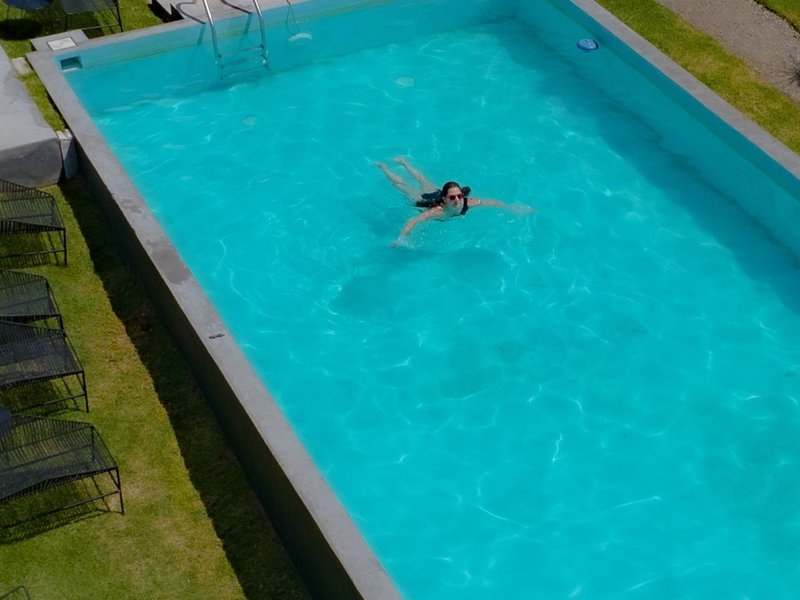
Traditional above-ground pools tend to have a more utilitarian look, which can feel out of place in a well-designed backyard. Homeowners can partially recess an above-ground fiberglass pool, surround it with custom decking, or blend it into modern landscaping. These design options create a polished appearance without sacrificing simple installation.
Fiberglass gives homeowners the look of an in-ground pool without the extensive excavation or higher cost.
Making the Right Choice for Your Backyard
Choose between a traditional above-ground pool and a fiberglass model based on durability, maintenance, and appearance. Your priorities will determine which option fits your backyard best. For many homeowners, the added durability and lower maintenance of fiberglass make it well worth the difference in upfront cost.
That is where the team at Chip & Dip Pool & Spa Service can help. Our team evaluates your yard and recommends the right size and style. We guide you through every step so you can make a confident, informed decision.
If you are ready to explore what an above-ground fiberglass pool could look like in your backyard, send a message to the Chip & Dip team. We would love to talk through your space, your goals, and the best path forward.
