
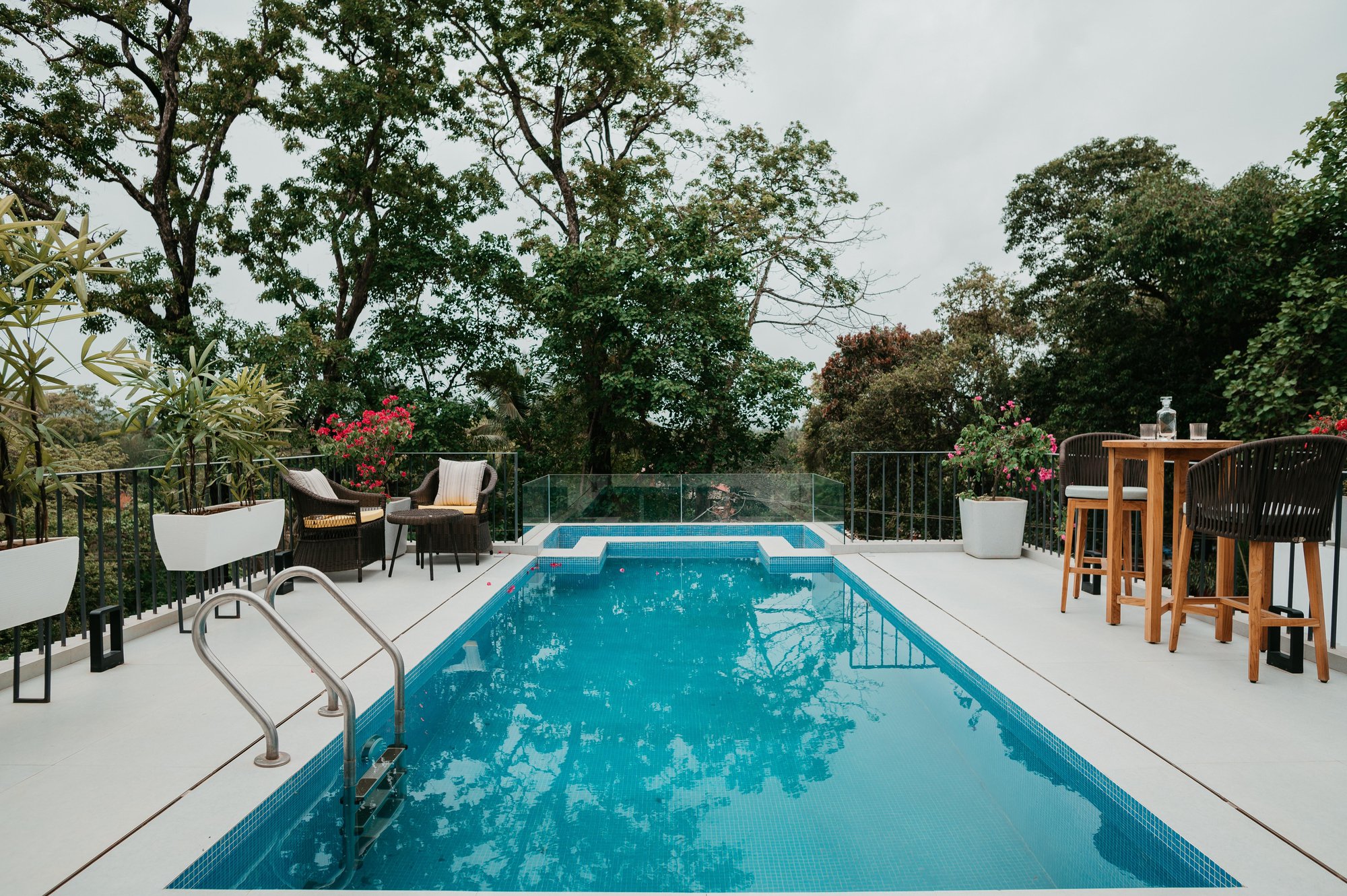
A fiberglass pool can be a practical option for homeowners weighing design, upkeep, installation, and long-term value in one decision. It is often researched alongside questions about cost, size, maintenance, and what ownership looks like over time, especially when trying to understand how it fits into a larger backyard plan.
That is where a broader view helps. This guide brings those considerations together to give a clearer picture of the benefits, tradeoffs, installation process, and long-term expectations, making it easier to decide what truly fits the space, the goals, and the overall investment.
What a Fiberglass Pool Offers Homeowners
A fiberglass pool offers a clean, finished look that can work in a wide range of backyard layouts. These pools come in pre-designed shapes and sizes, which allows homeowners to choose a model that fits their space while still achieving a polished and cohesive outdoor design. They can work in compact yards, larger entertaining spaces, or as part of a more complete backyard plan.
One of the main advantages is that the design is already defined. This can make early planning more straightforward compared to more complex build options. Homeowners can visualize how the pool will look and function before installation begins, which helps guide decisions around layout, features, and overall use of the space.
At the same time, that structure also introduces limitations. Because the shapes are pre-formed, customization is not as flexible as other pool types. The selection still offers variety, but the final design must fit within available models rather than being built entirely from scratch.
Fiberglass Pool Pros: Why Homeowners Often Choose This Option
The advantages of fiberglass pools often center on simplicity, efficiency, and long-term usability. Installation is typically more streamlined because the pool shell arrives pre-manufactured and ready to be placed. This can help reduce the overall construction timeline and allow homeowners to move from planning to completion more quickly.
Another benefit is the surface itself. Fiberglass pools have a smooth, non-porous finish that can make them more comfortable to use and easier to maintain. This type of surface can help reduce buildup and simplify routine cleaning, which is often a key consideration for homeowners thinking about long-term upkeep.
These pools also integrate well into broader outdoor plans. Whether the goal is a simple backyard setup or a more developed outdoor space, fiberglass pools can support a range of features such as seating areas, lighting, or surrounding hardscape. This flexibility allows homeowners to think beyond the pool and plan for how the entire space will function.
Fiberglass Pool Cons: What to Consider Before Choosing One
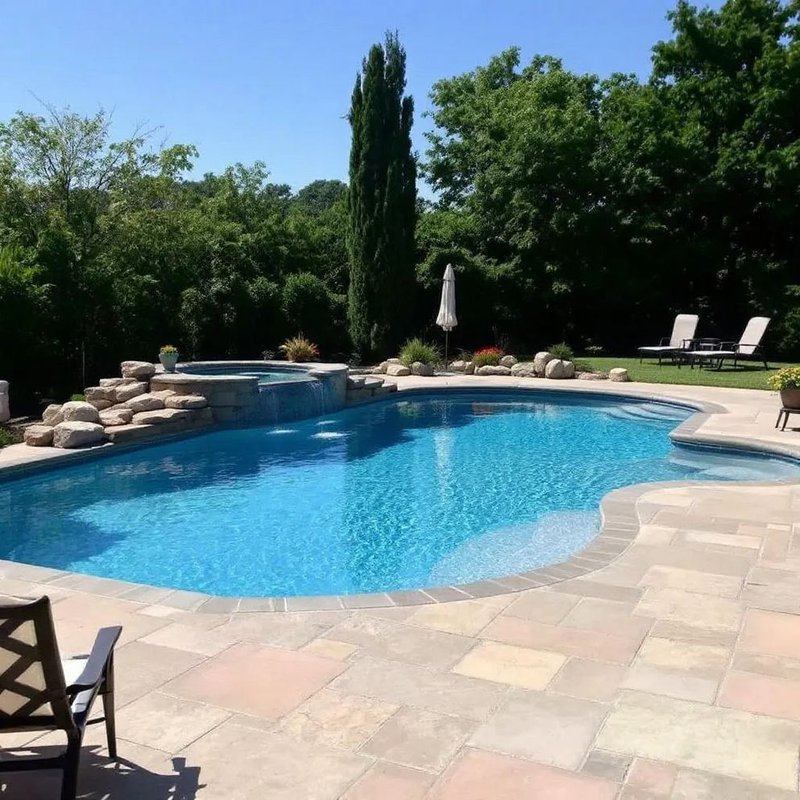
While fiberglass pools offer several advantages, there are also tradeoffs to consider before making a decision. One of the most common limitations is design flexibility. Because the pool is pre-formed, there are fewer opportunities to adjust dimensions or create fully custom shapes. This can be a challenge for properties with unique layouts or specific design requirements.
Another factor is site fit. The pool must be delivered and placed as a single unit, which means access to the backyard is an important consideration. Properties with tight access, obstacles, or limited space for equipment may require additional planning or adjustments, which can affect both the timeline and overall project scope.
There is also the broader project to consider. While the pool itself may be straightforward, it often becomes part of a larger outdoor plan that includes decking, landscaping, and other features. This can add value to the final result, but it also means the decision should be made with the full project in mind rather than focusing on the pool alone.
What to Expect From Sizes, Shapes, and Price Ranges
Fiberglass pools are available in a range of sizes and shapes, which allows homeowners to find options that match both their space and their goals. Smaller designs can work well in compact yards, while larger pools are often used in backyards designed for entertaining or more open layouts.
That variety also means pricing can vary depending on several factors. Size, built-in features, and overall layout all influence the total investment. Simpler, smaller pools typically fall on the lower end of the range, while larger or more feature-rich designs can increase costs as the project becomes more complex.
Understanding this range helps homeowners connect design choices to budget expectations. It also makes it easier to evaluate which options provide the right balance between function, appearance, and overall investment.
What the Fiberglass Pool Installation Process Usually Involves
The installation process begins with planning. This stage includes selecting the pool model, reviewing the backyard layout, and assessing site conditions such as access, grading, and drainage. These early steps help shape the project and reduce the likelihood of unexpected issues later.
Once installation begins, the process typically includes excavation, setting the pool shell, and completing the plumbing and electrical work. Because the shell arrives pre-made, this phase can move more efficiently than other types of pool construction, which is often seen as a major advantage.
However, the process still depends on the property. Site conditions, weather, and project scope can all influence how quickly installation moves. While the timeline may be shorter overall, it is still important to plan for each stage of the project.
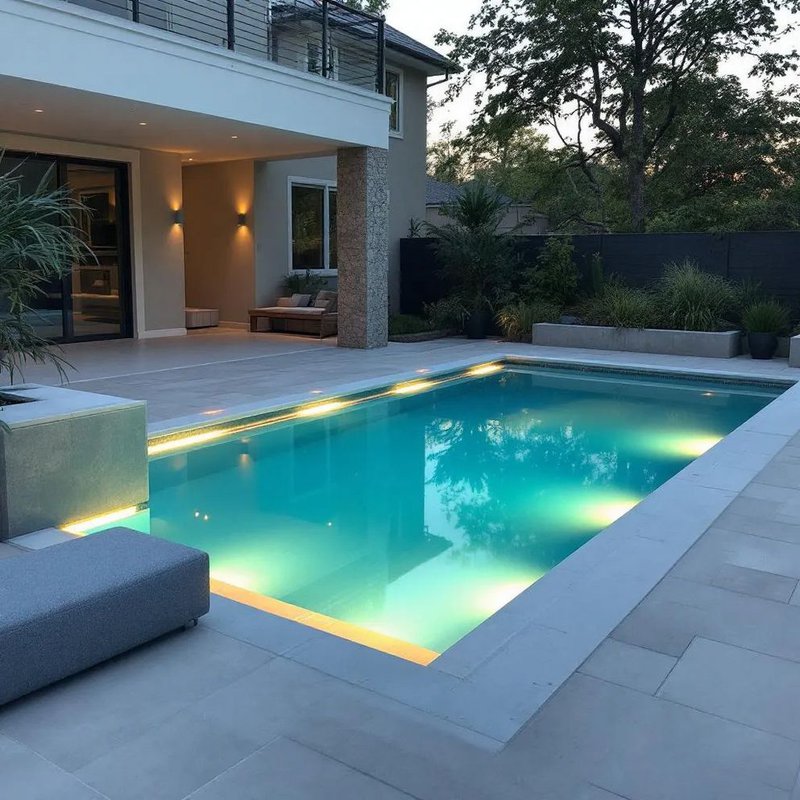
What Ownership Looks Like Over Time
Owning a fiberglass pool involves both enjoyment and ongoing care. Routine maintenance includes cleaning, monitoring water quality, and maintaining equipment to keep the pool functioning properly. The smooth surface can help simplify some of these tasks, but regular upkeep is still required.
Long-term ownership also includes thinking about equipment, seasonal use, and how the pool fits into the backyard over time. Some homeowners may choose to add features or make adjustments as their needs change, which is why it helps to think beyond the initial installation.
Looking at ownership from the beginning makes it easier to understand the full commitment involved. It also helps ensure that the pool continues to support the way the space is used long after the project is complete.
Making the Right Decision for Your Backyard
Choosing a fiberglass pool comes down to balancing the pros and cons against your space, goals, and budget. For some homeowners, the streamlined installation and manageable upkeep make it a strong fit. For others, limitations in customization or site conditions may lead them to consider other options.
Taking the time to evaluate both sides helps create a clearer path forward. The right choice is not just about the pool itself, but how it fits into the full backyard plan and how it will be used over time.
If you are ready to explore what a fiberglass pool could look like for your space, contact Chip and Dip Pool Services to get started.
