
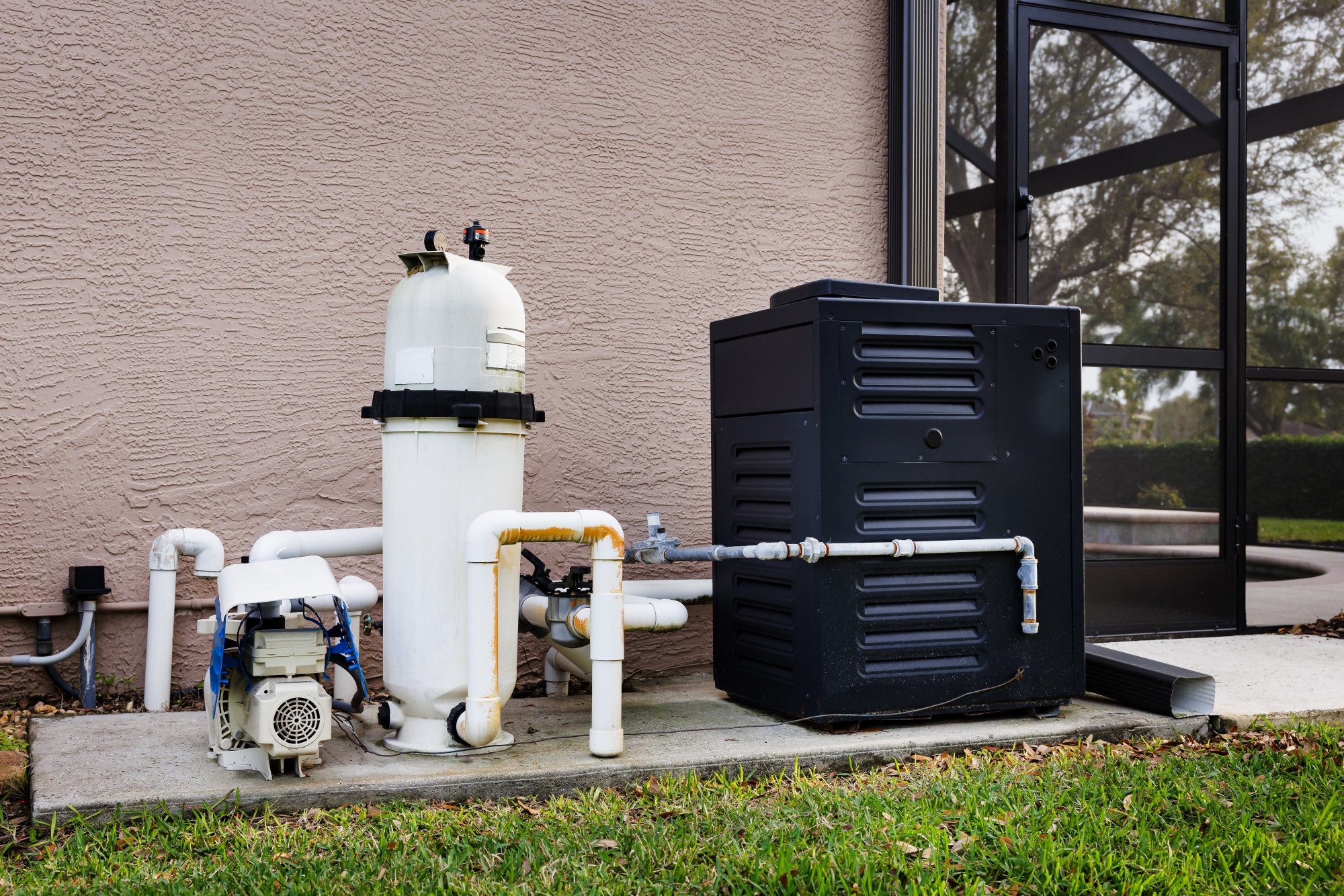
Pool heater equipment can turn a short Chicago-area summer into a far longer swim season. In northern Illinois, unheated water often feels chilly well into June and cools fast after Labor Day. That gap leaves many homeowners wondering whether heating truly pays off.
The answer depends on your swim habits, local energy costs, and how warm you like the water. This guide walks through each factor so you can decide with confidence.
How a Pool Heater Changes Your Swim Season
Most pools in the Chicago suburbs open around Memorial Day and close by mid-September. Without heat, water temperature depends entirely on the weather. Cool nights can pull the water down several degrees, even after a warm afternoon. As a result, many families enjoy truly comfortable swimming for only eight to ten weeks.
A pool heater changes that timeline. Many owners start swimming in early May and keep going into October. You also gain control during cloudy stretches, so a planned party no longer hinges on the forecast. For households that swim daily, those extra weeks can feel like a bonus season.

Questions to Ask Before You Buy
Before you compare equipment, take an honest look at your habits and budget. A few simple questions can show whether a pool heater fits your lifestyle or would mostly sit idle.
- How often do you swim? Daily swimmers and families with young kids tend to get the most value from warmer water.
- What temperature feels comfortable? Some people enjoy 78°F water, while others prefer 84°F or warmer.
- How long do you want the season to last? Stretching into spring and fall takes more heating capacity than a midsummer top-up.
- What do energy rates look like in your area? Natural gas, propane, and electricity prices all shape your running costs.
- Do you already own a pool cover? A cover holds heat overnight and reduces the work any heater has to do.
Heating also depends on a healthy pump and filter. Our overview of essential systems every pool needs shows how those parts work together. If your answers point to frequent use and a longer season, heating usually makes sense. If you mainly swim on hot weekends, a good cover alone may give enough of a boost.

Comparing Gas, Heat Pump, and Solar Options
Choosing the right pool heater type starts with when and how you plan to swim. Three main options serve residential pools, and each suits a different mix of climate and budget.
Gas models burn natural gas or propane and warm water quickly, regardless of air temperature. They work well for attached spas, weekend swimmers, and chilly spring mornings. However, they usually cost more per hour to run than other options. Fuel prices can also swing noticeably from year to year.
Heat pumps pull warmth from the surrounding air and move it into the water. Because they use electricity efficiently, their monthly running costs often stay below gas. Energy experts at the University of Illinois point out that electric resistance heaters cost the most to run. That makes heat pumps the smarter electric choice for most backyards. The trade-off is speed, since heat pumps warm water gradually and lose efficiency as nights cool into the 50s.
Solar systems run pool water through rooftop collectors that soak up the sun’s warmth. After installation, they cost very little to run. Still, output depends on the weather, and the panels need plenty of open space. Many owners pair solar with a gas unit or heat pump as backup.

Is a Pool Heater Worth the Cost?
The price of a pool heater is only one piece of the budget. You also need to weigh installation, any gas line or electrical upgrades, and monthly energy use. Our full breakdown of heating costs walks through each expense, which makes it easier to build a realistic number. Once you have that figure, compare it against how often you truly expect to swim.
Value also shows up in ways a utility bill never captures. A warmer pool simply gets used more, which spreads your investment across far more swims. For many families, the extra spring and fall weekends make the backyard feel complete. A heated pool may also appeal to future buyers, though it rarely drives price by itself.
Installation and Upkeep Considerations
Proper sizing matters more than most homeowners expect. An undersized unit runs nonstop and struggles on cool nights. An oversized one, on the other hand, costs more upfront than you need to spend. Installers weigh pool volume, surface area, wind exposure, and your target temperature to choose the right BTU rating.
Placement plays a big role, too. Gas units need a safe fuel supply and proper venting clearances. Heat pumps need open airflow and a dedicated electrical circuit. Because local codes and permits vary, a licensed professional should handle every connection.
Smart habits keep running costs in check year after year. A quality pool cover makes the biggest difference, since evaporation accounts for most heat loss in outdoor pools. Turning the thermostat down a few degrees while you travel also saves energy.
Routine care protects the equipment itself. Clean filters keep water flowing freely, and regular filter cleaning eases strain on the heat exchanger. Balanced water chemistry also prevents scale and corrosion inside the unit. With steady care and an annual checkup, a quality pool heater can serve your family for many seasons.
Finding the Right Fit for Your Backyard
A pool heater is not a must for every backyard, but it can reshape how often your family swims. Start with your habits, climate, and budget, then match those needs to the right equipment. Gas suits quick warm-ups, heat pumps reward steady use, and solar shines in sunny, open yards.
At Chip & Dip Pool & Spa Service, we help families across the western suburbs choose heating that fits their routines. We also handle installation and seasonal service, so the system keeps running smoothly. Thinking about adding heat before next spring? Give our team a call, and we’ll gladly talk through the options that suit your yard and your plans.

