
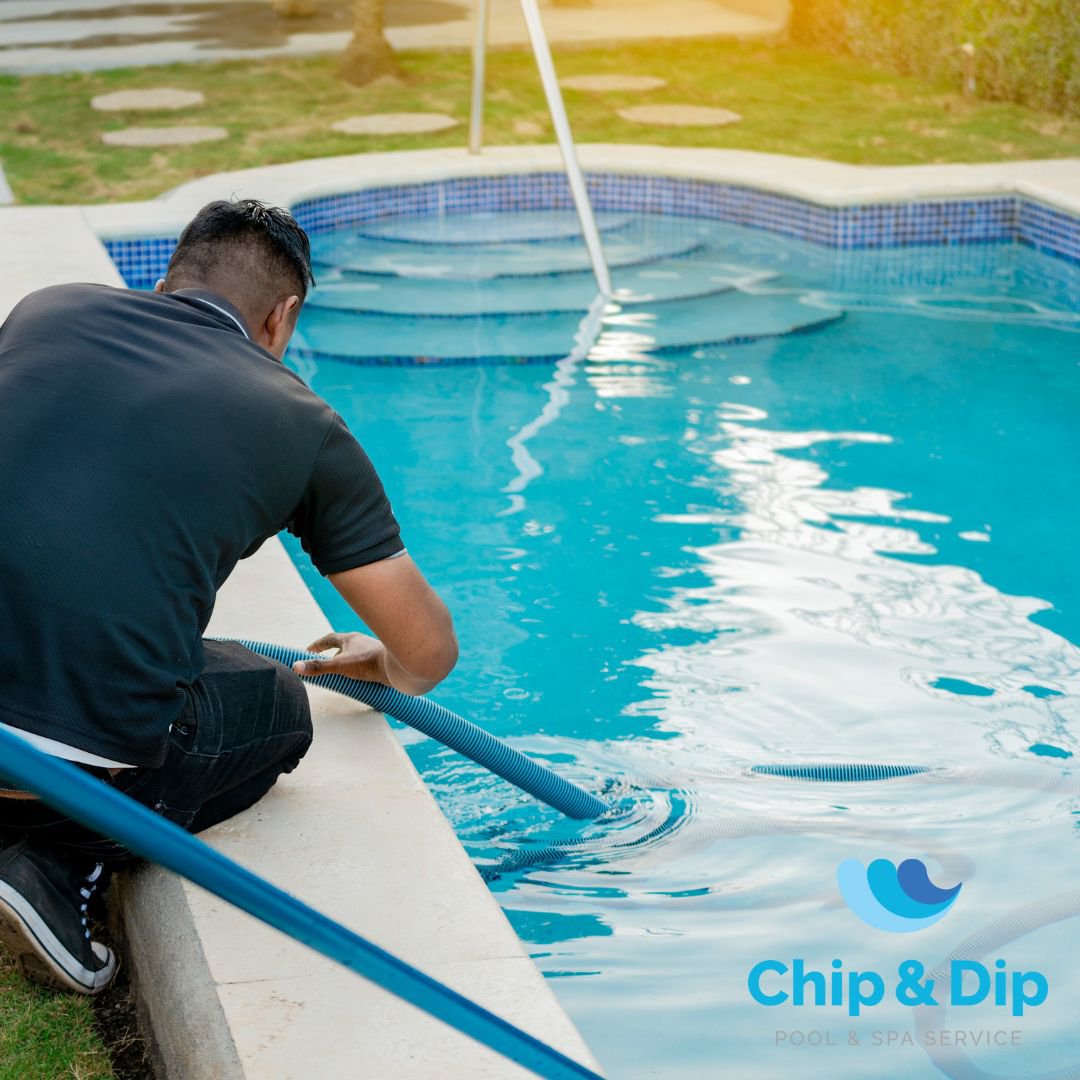
A backyard pool depends on more than clean water and clear skies. Pumps, filters, heaters, and controls all work behind the scenes to keep things running. When one part fails, the whole pool feels it, and a weekend swim can turn into a repair call instead. Knowing what to watch for and understanding your pool equipment repair options can turn a costly breakdown into a quick fix.
Signs You Need Pool Equipment Repair
Most equipment warns you before it fails. A pump that grinds, hums, or loses prime is trying to tell you something. Cloudy water, weak return jets, or a heater that won't hold its set temperature are red flags too. A sudden spike in your electric bill can also point to equipment straining harder than it should. Musty smells near the pump pad sometimes signal a leak that's been building for weeks. Catch these signs early, and a simple pool equipment repair is often all you need. Wait too long, and that small issue turns into a much bigger, more expensive one.
Common Pool Pump Problems
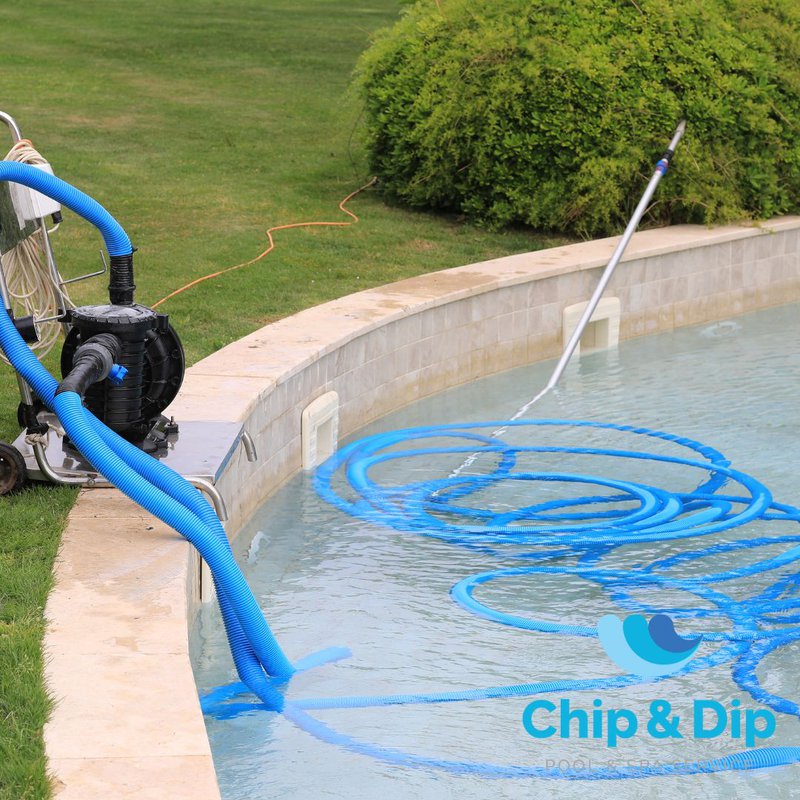
The pump is the heart of your pool, so pump trouble usually shows up first. Air leaks, worn seals, and clogged impellers cause most pump complaints homeowners report. A pump that whines at startup often has a failing capacitor, a fairly inexpensive part to replace. One that loses prime repeatedly may have a loose fitting or a cracked lid gasket letting air into the system.
Our pool pumps guide covers these common causes in more detail, along with simple checks you can try first. A pump that runs hot or trips the breaker needs a professional look before the motor burns out completely. Once a pump is well past its expected lifespan, usually eight to twelve years, repeated repairs start costing more than a replacement would.

Filter and Heater Troubles
Filters and heaters cause just as many service calls as pumps, just in quieter ways. A dirty filter forces your pump to work harder, and that wastes energy and shortens its life. Sand filters typically need backwashing every four to six weeks, while cartridge filters should be rinsed on a similar schedule and deep cleaned once a season. Our guide on how and when to backwash a pool filter walks through the signs your filter needs attention.
Heaters bring their own issues too, from pilot lights that won't stay lit to failed ignitors in electric models. Gas heaters tend to need more frequent servicing than heat pumps, since they run hotter and work harder in cold weather. ENERGY STAR notes that cutting pump speed in half can use just one-eighth as much energy, which shows how closely efficiency and equipment wear are connected. A pump or heater running at full speed nonstop wears out faster, and that strain often shows up later as a repair call.
Pool Equipment Repair vs Replacement: How to Decide
Deciding between pool equipment repair and replacement comes down to a few practical questions. Consider the age of the part, the cost of the fix, and how often it fails. Many pool professionals follow a simple rule of thumb here. If a repair costs more than half the price of a new unit, replacement usually makes more sense. A single seal replacement on a five-year-old pump makes sense under that rule. A third motor repair in two years usually does not. Newer equipment also tends to run quieter, use less power, and come with a fresh warranty. Our pool equipment page can help you compare options before you make the call.
Preventive Maintenance Tips
Regular upkeep prevents a lot of pool equipment repair calls before they start. Clean skimmer baskets every week or two, since a clogged basket forces your pump to work harder than it should. Check pressure gauges weekly, since a sudden change usually signals a filter or plumbing issue. Watch for strange noises or smells near the pump and heater, since both often act up before a bigger failure hits.
Water chemistry affects equipment health more than most homeowners realize. The CDC recommends keeping pool pH between 7.2 and 7.8, since water outside that range corrodes metal parts and wears down seals faster than normal use. A test kit and a consistent testing schedule protect the equipment you already own. Rinse cartridge filters on a schedule instead of waiting for flow to drop noticeably. A simple maintenance calendar helps too: check chemistry twice a week, clean baskets weekly, and inspect equipment monthly for leaks or corrosion.

A seasonal equipment check catches small issues early. A technician can spot a slow leak, a worn belt, or a corroded connection before it becomes a full breakdown. Opening and closing your pool each season is a natural time for this kind of inspection, since equipment often reveals problems after sitting idle. Homeowners who stay on top of routine care spend far less on emergency repairs, and their equipment tends to last years longer as a result.
When to Call a Professional
Some fixes are simple enough for a homeowner to handle, like cleaning a filter or resetting a breaker. Others, especially anything involving electrical wiring, gas lines, or motor rebuilds, are best left to trained technicians. Working with an experienced team also means smaller issues get caught during routine visits, long before they turn into major repairs. That's where Chip & Dip Pool & Spa Service comes in. Our technicians handle everything from pump diagnostics to heater repairs and full equipment replacements, so you can spend less time troubleshooting and more time enjoying your pool.
If your pump is acting up, your heater won't stay lit, or you're just not sure what's going on with your equipment, feel free to request an estimate. We're happy to take a look, walk you through your options, and get your pool running the way it should.

