
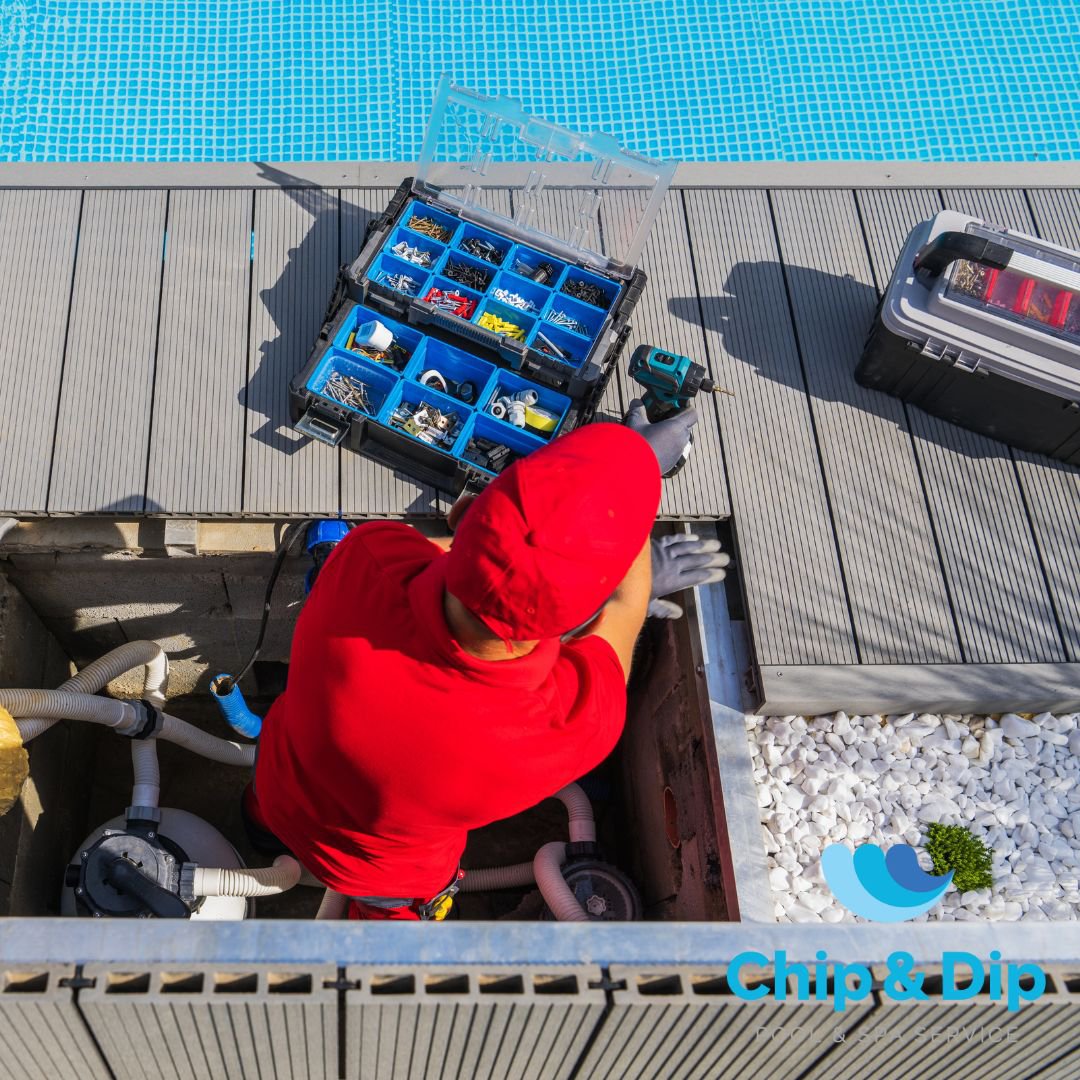
Walk past most backyard pools, and you will spot it. A pump hums away, pipes sit exposed, a filter bakes in the sun. A pool equipment enclosure fixes that, and it is a detail most homeowners overlook until the equipment is already installed.
At its most basic, a pool equipment enclosure is a structure built to house your pump, filter, and heater. It can be a simple lattice screen. It can also be a small shed that matches your siding, or a vinyl utility box sized to fit one pump pad. Either way, the job stays the same. Protect the equipment, keep it accessible, and keep the yard looking clean.
What Is a Pool Equipment Enclosure?
A pool equipment enclosure is a dedicated space for the mechanical parts of your pool system. Builders use wood, vinyl, or composite panels most often. Some enclosures stand alone, while others connect to an existing fence line or pool house.
A simple pump and filter setup might only need a screen about four feet wide. A full system with a heater, salt cell, and UV unit often needs six to eight feet.

The design changes from yard to yard, but the goal does not. Good enclosures shield equipment from sun, debris, and curious hands while still allowing airflow to keep a motor running cool.
Homeowners across the Chicago area often prefer sturdier builds. Four full seasons of sun, snow, and humidity wear down exposed equipment fast. A properly vented enclosure slows that wear considerably.

Why Homeowners Build One
Noise tops the list of reasons, and the numbers explain why. Most residential pool pumps run between 60 and 85 decibels under normal load. That is close to the sound of a running vacuum. The EPA has long treated 55 decibels as a reasonable outdoor threshold for residential comfort. An uncovered pump can easily push past that on a quiet evening.
Solid enclosure panels soften that hum by blocking the direct line of sight to the motor. Pairing the structure with a quieter variable-speed pump helps even more. Those units already run several decibels below older single-speed designs.
Curb appeal matters too. Nobody wants a stack of pipes as the focal point of an otherwise nice yard.
Weather protection is just as important. Sun breaks down plastic housings and gaskets over time. Freeze-thaw cycles common to Illinois winters can crack fittings left exposed. A solid enclosure extends the life of your pool equipment. That can mean fewer repair calls over a typical ten-year lifespan.
Before you build, check whether your subdivision has covenants on outbuildings. Many Chicago-area municipalities also require a permit for anything with a roof.
What Equipment Does It Protect?
A typical enclosure covers the pump, filter, and heater. Many also include a salt system, a UV system, or both. Each generates some heat and benefits from the same airflow. Automation panels and timers usually live inside too, since exposed electronics rarely survive a full winter uncovered.
Gas and heat pump heaters need extra thought. Combustion heaters require clearance from combustible materials and a path for exhaust. That is why they are sometimes housed separately from the pump and filter. A heat pump works differently. It needs open airflow on one side to draw in the air it uses to generate warmth.
Some owners group their pool pumps and filtration gear into one enclosure with a separate vented bay for the heater. A technician then only needs to open one or two access points to reach everything.

Key Factors to Consider Before You Build a Pool Equipment Enclosure
A handful of details decide whether your enclosure works well or causes headaches later.
Ventilation Requirements for a Pool Equipment Enclosure
Ventilation matters most, and it gets ignored the most. Pump motors generate heat, and heater compartments generate even more. Without somewhere for that heat to go, motors overheat and fail early.
Industry ventilation guidance for enclosed pool equipment spaces often points to roughly ten air changes per hour as a reasonable benchmark. The right figure still depends on the space and its heat load. Vents, louvers, or gaps at the top and bottom let warm air escape while cooler air moves in. Placing intake vents low and exhaust openings high creates natural convection, so the enclosure vents itself without a powered fan.
Building codes back this up directly. Many jurisdictions require louvered access and intake vents close to the floor. Many also require a fence around the equipment area with a self-latching gate. A quick look at how building codes handle pool equipment areas shows why airflow and secure access belong in your plans early. One practical tip: vents on two opposite walls beat a single wall. Cross-ventilation moves air through the whole space.
Access for Service and Repairs
An enclosure that looks great but blocks easy access will frustrate you fast. Doors or panels need to open wide enough for a technician to reach filters and valves without a struggle. Leave at least two feet of clearance in front of each major component, more where a filter tank needs to come out.
Hinged doors are ideal for enclosures that require frequent access. Removable panels suit setups you only access a few times a season, like before winterizing.
Weather Protection and Materials
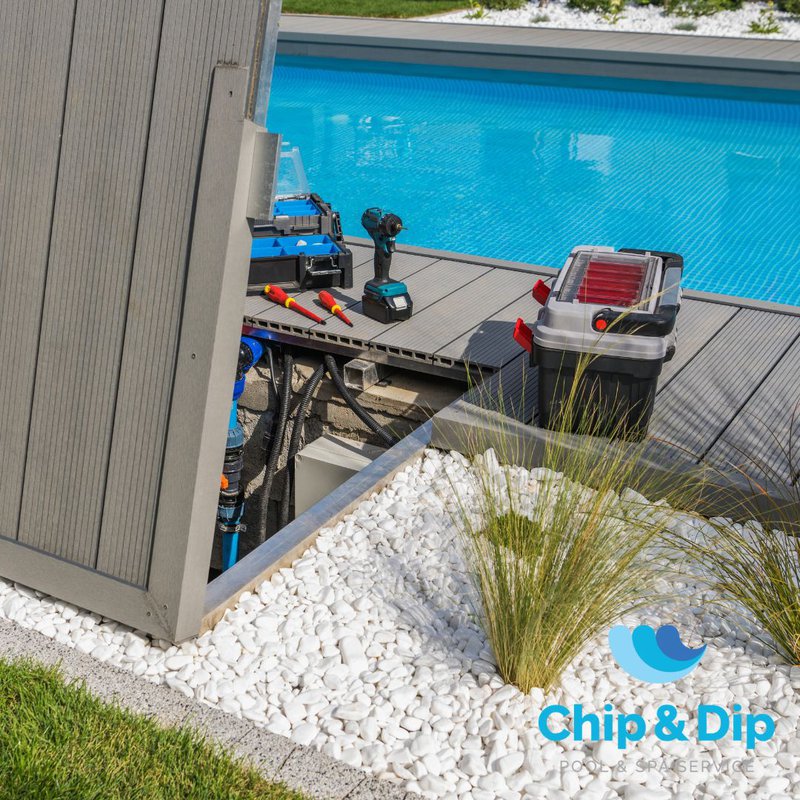
Material choice shapes how well the enclosure holds up. Vinyl and composite panels resist rot and fading better than untreated wood, which matters given Chicago's freeze-thaw swings. A well-sealed wood structure can still blend more naturally, though it needs fresh sealant every couple of years.
Add a roof or overhang that keeps direct rain and snowmelt off the equipment. This reduces wear on electrical connections. Elevating the pad an inch or two above grade helps with drainage too, especially on lots with heavier clay soil.
Placement in the Backyard
Location affects both function and looks. The enclosure should sit close enough to the pool to keep plumbing runs short, since longer runs mean more friction loss. It should also sit far enough from windows and patios so exhaust does not become a daily annoyance.
Full sun can push temperatures inside a poorly vented enclosure well above the surrounding air. A spot with some afternoon shade often performs better than one baking all day. Many homeowners tuck their enclosure along a side yard or behind existing landscaping. That usually keeps it a comfortable distance from the property line too.
Getting the Details Right
A pool equipment enclosure sounds like a simple backyard add-on. In practice, ventilation, access, weather protection, and placement all affect one another. Changing one usually changes the rest. Get one piece wrong, and you either shorten your equipment's lifespan or create years of maintenance headaches. This is exactly the kind of planning that benefits from an experienced eye, someone who has watched enclosures perform after a few Chicago winters.
Chip & Dip Pool & Spa Service works with homeowners across the Chicago area on everything from custom pool builds to the equipment and structures that keep them running. If you are planning a new pool or want to add a proper enclosure to an existing setup, the team can walk you through layout options that fit your yard and your equipment's needs. Reach out to Chip & Dip today, and let's talk through what a well-planned pool equipment enclosure could look like for your backyard.

