
Planning a backyard pool feels exciting, yet the process involves more steps than expected. Understanding how to build a pool starts with knowing the choices that shape your project. Each decision affects your budget, timeline, and the long-term care your water needs.
Homeowners often weigh material options, site conditions, and the features they truly want. Knowing what happens at each stage helps you avoid surprises and stay within budget. Our guide walks through every phase, so your project feels manageable from beginning to end.
How to Build a Pool: The Stages That Matter Most
Every pool project moves through a predictable sequence that builders and homeowners can plan around. Learning how to build a pool begins with design choices, permits, and a realistic budget. After approval, crews handle excavation, structural work, plumbing, and the finishing surfaces around it.
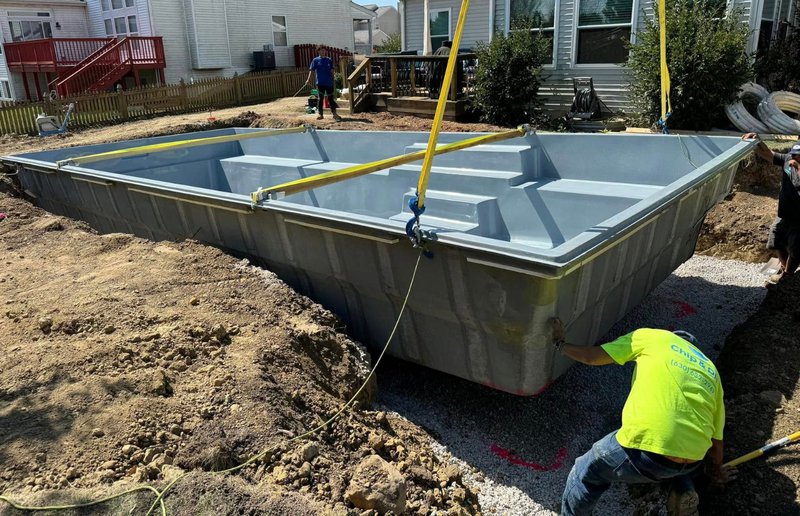
Most residential builds take several weeks, though weather and inspections can extend the timeline. Concrete pools usually require the longest schedule because of curing and custom shaping work. Fiberglass shells arrive prebuilt, so installation often finishes faster than the other available construction methods.
Knowing the order of these stages helps you ask contractors clearer, more focused questions. It also prevents costly delays that come from unclear expectations or missing permit paperwork. A clear picture of the full process keeps your backyard project on solid footing.
Comparing Fiberglass, Vinyl, and Concrete Pools
Material choice shapes your cost, maintenance, and how the pool looks over many years. Each option carries clear strengths, so comparing them early prevents regret down the road.
Here is how the three main materials compare when you build a pool:
- Fiberglass: lower upkeep and a smooth surface, with quicker installation than poured concrete builds.
- Vinyl liner: budget-friendly upfront, though liners typically need replacing every several years.
- Concrete: highly customizable in shape and depth, yet it demands more brushing and chemicals.
- Durability: fiberglass and concrete last decades, while vinyl liners wear out sooner.
- Cost range: vinyl sits lowest, fiberglass falls in the middle, and concrete climbs highest.
According to JLON Composite, fiberglass pools last 30 to 50 years versus 10 to 15 for vinyl liners. Your final material decision should match both your budget and your appetite for upkeep.
Planning Your Project Before the First Dig
Smart planning saves real money, and a good budget includes the hidden extras early. Permits matter too, since most towns require approval before any excavation can legally begin. Mapping out utility lines and yard access prevents expensive mistakes during the digging phase.
Design decisions come next, covering the size, depth, shape, and any features you imagine. Tanning ledges, attached spas, and lighting all influence both cost and the construction timeline. Thinking about sanitation early also pays off, especially when choosing how to treat your water.
Many homeowners explore salt systems for softer water and steadier chlorine production over time. Others add UV systems, which reduce chemical demand while keeping the swimming water cleaner. Settling these choices upfront keeps the entire build smoother and far easier to budget.
Inside the Construction Process
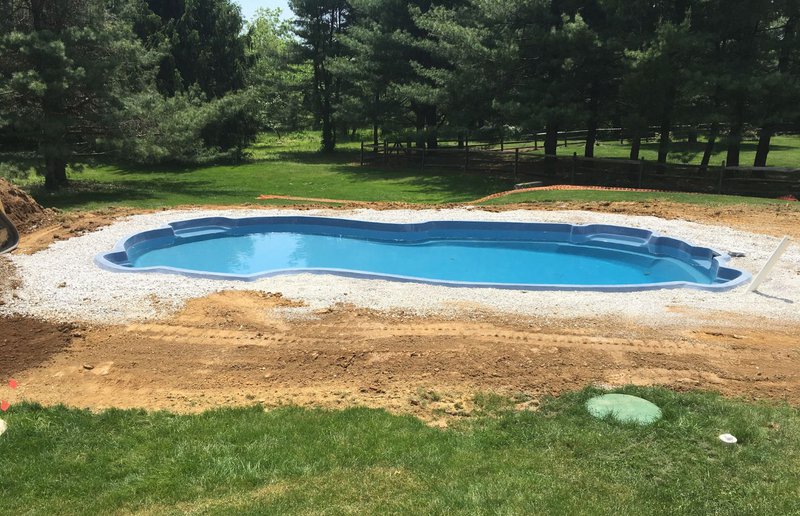
Once permits are clear, excavation marks the first visible step in how to build a pool. Crews dig the shape, then set the shell or frame depending on your chosen material. Plumbing and electrical work follow, connecting pumps, filters, and any heating equipment you selected.
Inspections happen at several points, confirming the work meets local safety and building codes. After passing review, crews add the interior finish, whether plaster, tile, or a fiberglass surface. Decking, fencing, and landscaping wrap up the project and complete your new backyard layout.
Filling the pool and balancing the water comes last, right before your first swim. A startup period lets new surfaces settle while the chemistry stabilizes across the system. Understanding the full sequence helps you track progress and catch issues early enough to fix.
Owning and Maintaining Your Pool Long Term
Ownership brings ongoing responsibilities that protect your investment and keep the water safe. Routine care prevents small issues from turning into expensive repairs later on.
Regular pool upkeep usually includes these core tasks throughout the year:
- Test and balance water chemistry weekly to protect swimmers and equipment alike.
- Skim, brush, and vacuum surfaces to stop algae and debris buildup.
- Clean filters and inspect pumps to keep the circulation system running efficiently.
- Schedule seasonal opening and closing, which matters in colder climates with freezing winters.
- Replace aging equipment like heaters and pumps as efficiency declines over the years.
Angi reports routine pool maintenance averages around $236 per professional visit nationwide. Budgeting for these tasks keeps your pool efficient, safe, and enjoyable for the whole family.
Building Today, Enjoying It for Years
Learning how to build a pool is really about preparing for years of ownership. Smart planning, the right materials, and steady upkeep all protect your backyard investment. Understanding these steps prepares you for the maintenance work that follows.
At Chip & Dip Pool Services, our team supports homeowners through every stage of ownership. From maintenance to equipment care, Chip & Dip helps your pool stay clean and reliable. Reach out to talk with a pool specialist and get guidance for your project.
