
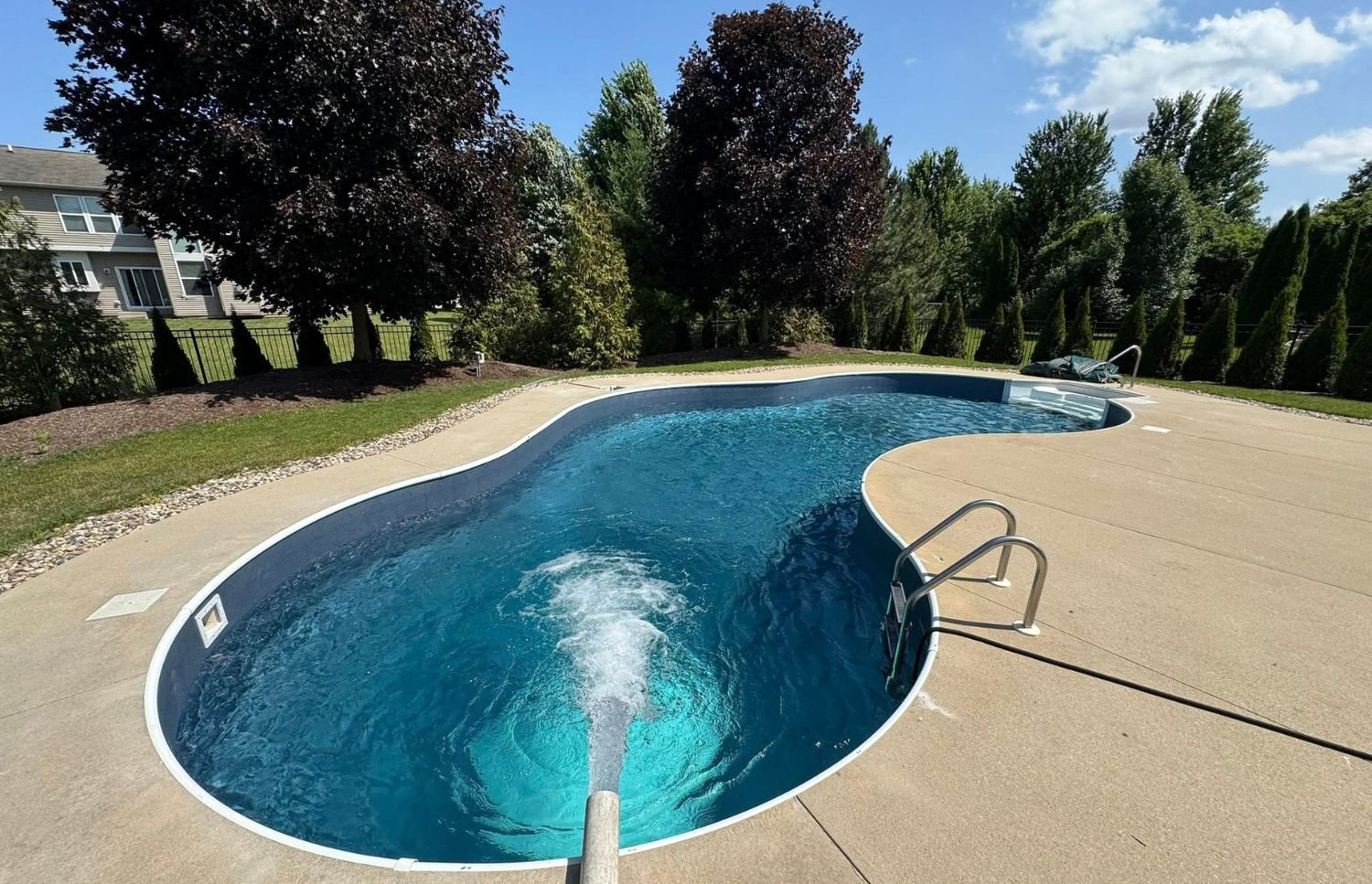
Building a backyard pool is exciting, yet understanding how much to build a pool often feels overwhelming initially. Costs vary widely because materials, labor, property conditions, and desired features influence every construction project differently. Many homeowners benefit from comparing options carefully before committing to a design or long-term investment.
Budget planning becomes easier when installation costs and future maintenance expenses are evaluated together from the beginning. Pool ownership includes equipment upkeep, water care, and occasional upgrades that affect overall affordability over many years. Clear information helps homeowners choose features confidently while avoiding unexpected expenses later during ownership.

Pool Types and Why Prices Vary
Fiberglass, vinyl, and concrete pools each offer distinct advantages that affect installation pricing and ongoing ownership expenses. Fiberglass models arrive preformed, reducing installation time while offering smooth surfaces that resist algae growth naturally. Many homeowners researching costs compare options through fiberglass pool designs before selecting a style.
Vinyl pools usually carry lower upfront costs and provide flexible shapes suited for many backyard layouts. Liners eventually require replacement, although initial installation remains attractive for homeowners balancing features and affordability carefully. Design inspiration and material comparisons are available through vinyl pool options for homeowners exploring possibilities.
Concrete pools offer exceptional customization and durability, yet construction takes longer, and maintenance requirements increase considerably. Surface brushing, chemical balancing, and resurfacing expenses should remain part of any realistic budget discussion. Consequently, pool material selection influences both immediate costs and future ownership responsibilities for many years.
Pool Costs Ranked From Highest to Lowest
Pool materials differ in both installation costs and long-term ownership expenses. Project size, custom features, yard conditions, and regional labor rates all affect the final price, but most in-ground pool types generally rank as follows:
- Concrete Pools: Most expensive because they are custom-built, require longer construction timelines, and involve higher labor and maintenance costs.
- Fiberglass Pools: Mid-range in price, offering faster installation, lower maintenance needs, and durable factory-manufactured shells.
- Vinyl Pools: Least expensive upfront, making them a popular choice for homeowners with tighter budgets, although liner replacement should be included in long-term ownership planning.
Understanding this general pricing hierarchy makes it easier to compare pool types before evaluating designs, features, and overall project costs.
How Much to Build a Pool Depends on Size and Features
Pool dimensions significantly influence budgets because larger footprints require additional excavation, materials, and construction labor throughout installation. Likewise, deeper pools need more structural reinforcement and greater water capacity, increasing both installation and operating expenses. Therefore, how much to build a pool depends heavily on the size homeowners envision for their backyard.
According to Angi's 2026 data, the average in-ground pool costs about $66,000, with most homeowners spending between $44,300 and $86,500. Smaller, basic installations can start around $19,000, while large custom pools with premium features may exceed $135,000. Local labor rates, yard accessibility, and design choices also play important roles in determining final construction costs.
Custom additions create unique spaces, yet every enhancement increases project complexity and total construction expenses over time. Tanning ledges, attached spas, waterfalls, and automation systems provide convenience while requiring additional materials and specialized installation. Careful prioritization helps homeowners balance desired amenities with realistic budgets and long-term maintenance expectations successfully.
Extra Costs Homeowners Should Expect
Many pool budgets focus on construction alone, although surrounding improvements often represent substantial portions of project expenses. Several supporting features deserve consideration before signing contracts or finalizing backyard designs with installation professionals. Common additional expenses include:
- Decking materials such as concrete, pavers, or natural stone surrounding the pool perimeter.
- Landscaping improvements that improve drainage, privacy, and the overall backyard appearance after construction finishes.
- Pool heaters or chillers that extend swimming seasons and improve comfort during changing weather conditions.
- Lighting systems for safety, ambiance, and evening entertainment throughout different seasons of pool ownership.
- Permit fees, inspections, and electrical upgrades are required to satisfy local building codes and regulations.
Thoughtful planning prevents surprises later and allows homeowners to spread upgrades according to priorities and available budgets. Heating options, for example, vary greatly depending on energy efficiency goals and seasonal swimming preferences.
Water Systems and Energy Choices Matter
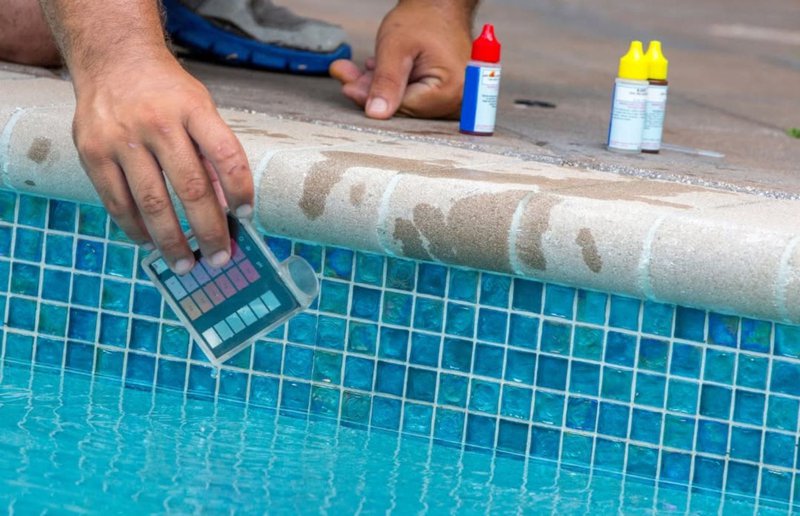
Water treatment systems influence maintenance routines, equipment longevity, and monthly operating expenses throughout the years of ownership. Traditional chlorine remains popular, although many homeowners increasingly choose saltwater systems because they require gentler water chemistry. Helpful information about modern systems appears through saltwater pool systems for readers comparing treatment methods.
Energy efficiency also deserves attention because pumps, heaters, and filtration systems operate regularly during swimming seasons. Choosing efficient equipment often reduces utility costs while maintaining excellent water quality and consistent circulation. Furthermore, automation features simplify monitoring without sacrificing performance or convenience for busy homeowners.
Experienced professionals frequently encourage homeowners to evaluate operating costs before construction begins rather than afterward. Chip & Dip understands that equipment choices affect daily ownership experiences and long-term satisfaction. Balanced planning creates a pool environment that remains enjoyable, manageable, and cost-conscious throughout many seasons ahead.
Long-Term Costs Beyond Installation
Installation represents only one portion of ownership, because regular maintenance preserves water quality and protects valuable equipment investments. Ongoing expenses include chemicals, cleaning, seasonal services, repairs, and occasional equipment replacements throughout the pool's lifespan. Homeowners considering how much to build a pool should evaluate these recurring costs carefully before finalizing plans.
Homeowners spend an average of about $239 monthly on pool maintenance, although costs vary by pool size and service needs. Annual expenses often range from $1,200 to more than $5,000 depending on climate, usage, and equipment. Consistent care helps prevent costly repairs and keeps pool systems operating efficiently for many years.
Reliable maintenance also protects pumps, filters, heaters, and water quality from avoidable wear or premature failures. Chip & Dip regularly helps homeowners understand service schedules and practical care routines tailored to individual pools. As a result, owners enjoy cleaner water and fewer unexpected issues throughout changing seasons and weather conditions.
Building a Pool With Confidence and Long-Term Value
Understanding how much to build a pool involves more than installation estimates because ownership extends well beyond construction completion. Material choices, equipment selection, maintenance needs, and custom features all influence costs throughout the years of enjoyment. Homeowners who evaluate every expense carefully often make decisions that support both budgets and lifestyles.
At Chip & Dip Pool Services, homeowners receive practical guidance covering planning, ownership costs, and long-term maintenance expectations. Experienced professionals explain options clearly while helping customers compare features that fit their properties and priorities. Learn more about your options and explore what fits your space with Chip & Dip Pool Services.

