
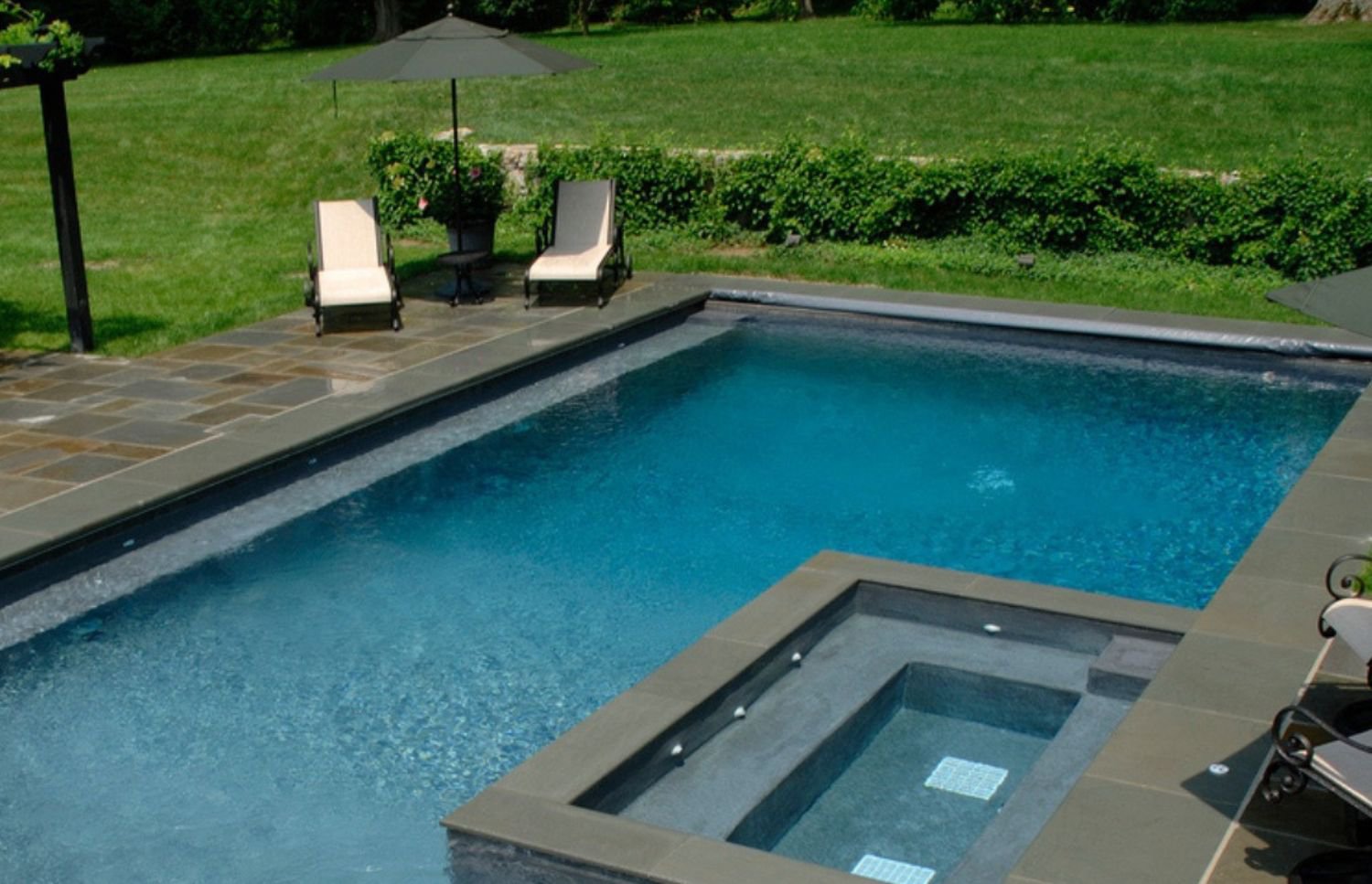
Planning a backyard pool project often begins with understanding the real cost to build a pool today. Many homeowners discover pricing changes significantly depending on materials, installation requirements, property conditions, and long-term maintenance expectations.
Pool construction involves much more than excavation, concrete work, and filling the structure with treated water. Several important factors influence total ownership expenses, including equipment durability, energy consumption, repairs, and seasonal maintenance responsibilities.

Why Pool Pricing Varies Between Different Backyard Projects
Many homeowners researching the cost to build a pool notice very different estimates between local installation companies. Material choices, backyard access, excavation conditions, and permit requirements often influence total project pricing considerably.
Concrete pools generally require extensive labor, custom forming, reinforced structures, and longer construction timelines during installation. Meanwhile, fiberglass pools arrive preformed, reducing labor demands while shortening installation schedules for many residential properties.
Vinyl liner pools usually provide lower initial installation pricing because materials and structural components remain comparatively affordable. However, replacement liners and future maintenance responsibilities can increase ownership costs throughout the pool’s expected lifespan.
Understanding the Cost to Build a Pool by Material Type
Concrete pools remain the most expensive option because customization opportunities require additional labor, materials, and specialized construction expertise. According to Angi, concrete pool installations commonly range between $65,000 and $120,000 depending on design complexity.
Fiberglass pools generally fall within middle pricing ranges because installation processes remain faster and structurally streamlined during construction. Many fiberglass installations cost between approximately $40,000 and $100,000 depending on dimensions, landscaping, and additional backyard upgrades.
Vinyl liner pools frequently represent the lowest upfront investment for homeowners balancing budget limitations with recreational backyard improvements. Lower installation pricing often attracts families seeking practical swimming spaces without extensive customization or elaborate structural features.
Ranking Pool Types by Cost: Most Expensive to Least Expensive
When evaluating the cost to build a pool, it helps to compare pool types side by side based on typical national pricing. While final costs vary by location, design, and site conditions, most residential projects follow a consistent pricing hierarchy.
1. Concrete Pools (Most Expensive)
Concrete pools sit at the top of the pricing range due to their customization options and labor-intensive construction process. These pools are fully built on-site, allowing for unique shapes, depths, and integrated features.
- Average price range: $65,000 to $120,000+
- Typical starting average: around $85,000
- Higher-end designs with luxury features can exceed this range significantly
Concrete remains the most expensive option because of extended build timelines, specialized labor, and ongoing finishing requirements.
2. Fiberglass Pools (Mid-Range Cost)
Fiberglass pools are generally more affordable than concrete but still offer durability and efficiency. Since they arrive pre-manufactured, installation is faster and less labor-intensive.
- Average price range: $40,000 to $100,000
- Typical starting average: around $60,000
- Premium models with larger shells or added features fall toward the higher end
This option balances upfront investment with lower installation complexity and reduced long-term maintenance needs.
3. Vinyl Liner Pools (Most Affordable)
Vinyl liner pools typically offer the lowest initial installation cost, making them appealing for budget-conscious homeowners. The structure is simpler, and materials are less expensive compared to other pool types.
- Average price range: $35,000 to $65,000
- Typical starting average: around $45,000
- Replacement liners are an additional long-term cost consideration
While vinyl pools are the least expensive to install, ongoing maintenance and liner replacement should be factored into long-term ownership costs.

Concrete Pools Offer Customization but Require Higher Long-Term Investment
Concrete pools support highly customized layouts, deeper depths, irregular shapes, integrated spas, and unique decorative finishing options. Consequently, homeowners often select concrete installations when prioritizing personalized backyard designs and architectural flexibility throughout construction planning.
Extended construction schedules also increase labor expenses because concrete pools require curing, finishing, plastering, and additional installation coordination. Some concrete projects continue several months depending on weather conditions, inspections, and specialized feature installations throughout construction phases.
Long-term maintenance expenses typically remain higher because concrete surfaces require resurfacing, acid washing, and increased chemical management periodically. Rougher surfaces can encourage algae growth, creating additional cleaning responsibilities during warmer swimming seasons for many households.
Fiberglass Pools Balance Installation Efficiency and Maintenance Simplicity
Fiberglass pools continue gaining popularity because installation timelines remain shorter compared with traditional concrete construction projects nationwide. Homeowners frequently appreciate smoother surfaces, simplified cleaning routines, and lower chemical demands during regular seasonal maintenance periods.
According to Angi, average fiberglass pool installations cost approximately $33,000 nationally, although premium designs exceed considerably higher pricing. Faster installations also reduce prolonged backyard disruptions for families managing active outdoor living spaces during construction.
Chip & Dip regularly helps homeowners compare fiberglass pool models matching available backyard dimensions, maintenance preferences, and realistic budgets. Homeowners exploring different swimming pool models often benefit from reviewing layout options carefully before making long-term installation decisions.
Cost to Build a Pool Changes With Size and Depth Requirements
Pool dimensions directly influence the cost to build a pool because excavation, materials, plumbing, and equipment increase simultaneously. Larger pools require additional concrete, reinforced structures, filtration capacity, chemicals, and longer installation timelines throughout construction.
Deeper pools often involve additional excavation equipment, engineering support, reinforced walls, and upgraded circulation systems for safety. Diving areas, steep slopes, and oversized recreational layouts frequently increase both installation complexity and future operational expenses considerably.
Many families discover medium-sized pools provide practical recreational space while controlling installation and long-term maintenance expenses effectively. Careful planning helps homeowners balance entertainment needs, exercise goals, and available backyard dimensions before construction begins.

Backyard Features and Upgrades Influence Overall Pool Investment
Additional pool features significantly influence pricing because specialized equipment and custom installations increase overall construction complexity considerably. Homeowners frequently request integrated spas, automated covers, tanning ledges, decorative lighting, and advanced water circulation enhancements.
The following upgrades commonly increase total project pricing during residential pool construction planning:
- Integrated spas requiring additional plumbing, heating systems, and structural reinforcement during excavation and installation.
- LED lighting systems improving nighttime visibility, backyard ambiance, and swimming safety during evening recreational activities.
- Decorative decking materials increasing usable entertainment space surrounding pools, seating areas, and outdoor gathering zones.
- Automated covers supporting safety improvements while reducing evaporation, debris accumulation, and seasonal cleaning responsibilities.
- Pool heaters extending seasonal usage while increasing utility expenses, maintenance demands, and equipment servicing requirements.
Energy-efficient heating systems may reduce operational expenses over extended ownership periods despite higher initial installation pricing. Many homeowners also install smart controls simplifying lighting schedules, temperature adjustments, and equipment monitoring throughout seasonal changes.
Property Conditions and Installation Challenges Affect the Cost to Build a Pool
Many homeowners underestimate how property conditions influence excavation requirements, labor demands, and equipment access during installation planning. Limited backyard entry points sometimes require cranes or specialized excavation equipment, increasing construction expenses considerably for certain properties.
The following site conditions commonly increase construction complexity and project pricing during residential pool installations:
- Sloped properties requiring grading, retaining walls, drainage adjustments, or reinforced structural preparation before excavation begins.
- Rocky soil conditions slowing excavation processes while increasing heavy equipment usage and labor scheduling requirements substantially.
- Narrow property access preventing direct equipment entry, occasionally requiring crane-assisted fiberglass shell placement during installation.
- Local permitting requirements involving engineering reviews, inspections, fencing regulations, and utility coordination before construction approval.
- Existing landscaping features needing relocation, removal, or protection throughout excavation and pool installation activities.
Chip & Dip helps homeowners evaluate practical installation considerations before construction begins, reducing unexpected complications during project development stages. Early planning discussions often help families understand realistic timelines, permitting requirements, and maintenance expectations before excavation begins.
Comparing Long-Term Maintenance Costs Between Pool Types
Long-term ownership expenses deserve careful consideration because maintenance responsibilities continue long after installation projects conclude successfully. Homeowners comparing the cost to build a pool should evaluate annual cleaning, resurfacing, repair, and utility expenses together.
According to The Spruce, annual pool maintenance commonly ranges between approximately $1,560 and $2,700 excluding major repairs. Concrete pools generally require higher maintenance budgets because resurfacing and chemical balancing remain more demanding throughout ownership.
Fiberglass pools usually require less scrubbing because smoother surfaces discourage algae accumulation during warmer seasonal conditions naturally. Vinyl pools often maintain moderate maintenance expenses initially, although liner replacements eventually increase overall long-term ownership investments substantially.
Choosing the Right Pool Type for Budget and Lifestyle Goals
Selecting the appropriate pool depends heavily on household priorities, available maintenance time, long-term budgeting expectations, and recreational preferences. Families prioritizing customization may prefer concrete installations despite higher costs and more extensive maintenance responsibilities throughout ownership.
The following homeowner priorities often influence pool material decisions during early planning conversations:
- Concrete pools supporting custom shapes, integrated features, and deeper layouts for highly personalized backyard environments.
- Fiberglass pools offering faster installations, smoother finishes, and simplified seasonal maintenance for busy households.
- Vinyl liner pools providing affordable installation pricing for families prioritizing budget-conscious recreational backyard improvements.
- Medium-sized pool layouts balancing swimming functionality, manageable maintenance routines, and lower operational utility expenses.
- Automated equipment systems reducing cleaning responsibilities while supporting more consistent water quality management throughout ownership.
Lifestyle expectations should always remain equally important alongside installation pricing when evaluating available pool construction options carefully. Households planning frequent entertaining, exercise routines, or year-round usage may prioritize different features compared with occasional recreational swimmers.

Questions Homeowners Should Ask Before Choosing a Pool Contractor
Choosing experienced installation support often affects the cost to build a pool because project planning influences long-term performance greatly. Homeowners comparing contractors should carefully review installation experience, communication practices, service availability, and ongoing maintenance support.
Important questions often help homeowners compare pool contractors more confidently before construction agreements become finalized:
- How much experience does the contractor have installing specific pool materials within residential backyard environments?
- What maintenance services remain available after installation projects conclude and regular pool ownership responsibilities begin?
- Which permits, inspections, and preparation requirements are included within the estimated installation pricing structure?
- How will excavation access, grading concerns, or drainage conditions affect construction timelines and overall project costs?
- What warranty coverage applies to pool surfaces, filtration equipment, heaters, lighting systems, and structural components?
Clear communication during early planning discussions often helps homeowners avoid confusion throughout construction and long-term ownership periods. Careful contractor comparisons also support more realistic budgeting expectations before excavation and installation activities officially begin.
Maintenance Planning Matters Beyond Initial Installation Pricing
Homeowners sometimes focus entirely on construction estimates while overlooking seasonal responsibilities associated with long-term pool ownership commitments. Routine cleaning, equipment inspections, water balancing, and filter maintenance protect investments while supporting safer swimming conditions consistently.
The following maintenance considerations frequently influence annual ownership expenses after pool installation projects conclude successfully:
- Seasonal opening and closing services protecting plumbing systems, filtration equipment, and water quality throughout changing temperatures.
- Water balancing services maintaining proper chemical levels while preventing surface damage and equipment deterioration over time.
- Pump and filtration inspections identifying operational concerns before costly repairs interrupt swimming enjoyment during warmer months.
- Heater servicing improving operational efficiency while supporting dependable water temperatures throughout extended swimming seasons.
- Scheduled cleaning routines removing debris accumulation while improving circulation and reducing algae development inside swimming pools.
Homeowners seeking dependable maintenance guidance often benefit from structured service programs supporting long-term pool performance consistently throughout ownership. Chip & Dip provides maintenance services that help homeowners manage cleaning, inspections, seasonal care, and long-term equipment performance more confidently.
Pool Safety Features and Local Requirements Affect Installation Planning
Safety planning often influences the cost to build a pool because regulations vary between neighborhoods, counties, and residential properties. Many municipalities require fencing, self-closing gates, alarms, and approved barriers before pools receive final construction approval.
Pool owners frequently install additional safety features supporting safer backyard environments for children, guests, and visiting family members. Automatic covers, slip-resistant decking, and shallow entry areas often improve accessibility while supporting more comfortable recreational use.
Local inspection requirements may also affect installation schedules because approvals occur throughout several construction stages during pool development. Homeowners understanding safety expectations early usually avoid unexpected delays, additional expenses, and last-minute construction adjustments later.
Financing and Insurance Considerations That Affect the Cost to Build a Pool
Financing options often influence the cost to build a pool because monthly budgeting affects material and feature selections significantly. Many homeowners explore home equity loans, personal financing programs, or phased backyard upgrades supporting manageable long-term payment structures.
Insurance adjustments may also occur after pool installations because liability coverage requirements change for many residential properties. Fencing requirements, safety covers, and secured entry systems frequently influence homeowner insurance discussions before construction officially begins.
Many lenders also review permanent backyard improvements carefully when evaluating financing applications for residential pool projects. Homeowners comparing financing options often benefit from understanding expected maintenance expenses alongside projected monthly installation payments realistically.
Energy Efficiency and the Long-Term Cost to Build a Pool
Energy consumption significantly affects long-term ownership expenses because pumps, heaters, lighting systems, and filtration equipment operate regularly throughout seasons. Efficient equipment selections may reduce operational expenses while supporting more consistent pool performance during extended residential usage periods.
Variable-speed pumps commonly use less electricity compared with traditional single-speed systems operating continuously during active swimming months. Many homeowners also install automated timers improving circulation schedules while reducing unnecessary energy consumption during lower activity periods.
Pool covers additionally help retain heat, reduce evaporation, and minimize chemical loss during changing outdoor weather conditions consistently. Thoughtful energy planning helps homeowners better understand the cost to build a pool alongside predictable monthly operational responsibilities.
Building a Pool Requires Balancing Installation Costs With Long-Term Ownership
Understanding the cost to build a pool involves balancing installation pricing alongside maintenance responsibilities, operational expenses, and future repair expectations. Careful planning helps homeowners select pool designs supporting both recreational goals and manageable long-term ownership requirements realistically.
Different pool materials create very different ownership experiences despite similar appearances during early planning conversations. Concrete pools provide customization flexibility, fiberglass supports simpler maintenance, and vinyl installations often prioritize affordability during installation projects.
At Chip & Dip Pool Services, homeowners receive practical guidance comparing materials, budgeting considerations, maintenance expectations, and installation variables carefully. We provide experienced guidance to help families understand the cost to build a pool while planning dependable long-term backyard care.

