
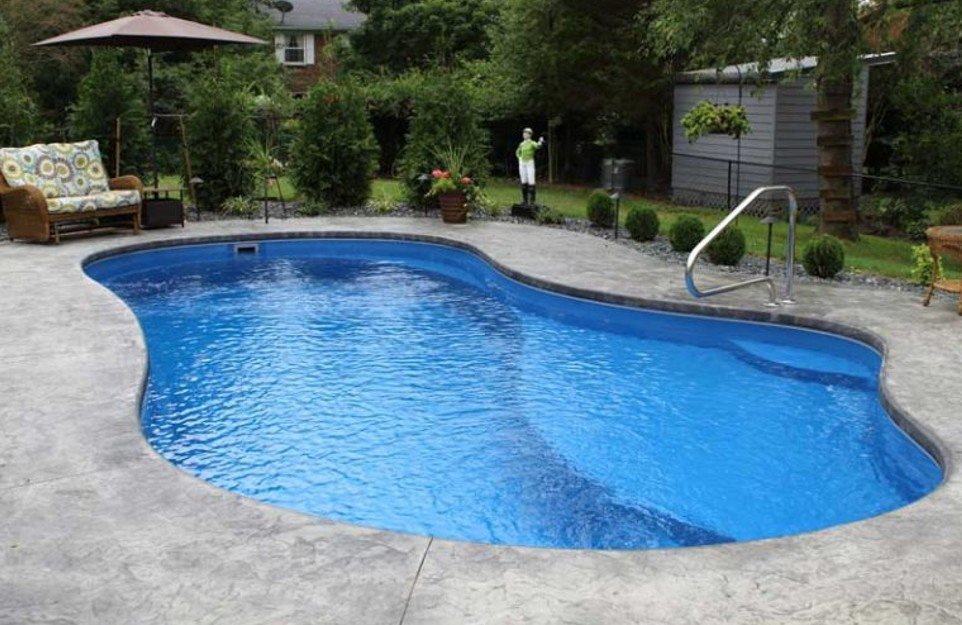
Fiberglass pool shapes and prices go hand in hand, especially when homeowners are trying to balance design with budget. The shape you choose does more than define how the pool looks. It directly affects size, layout, and built-in features, all of which influence the overall cost. Because of this, some pool designs naturally fall into higher price ranges than others.
A practical way to compare fiberglass pool shapes and prices is to group them into general cost tiers. This makes it easier to understand how different designs align with budget expectations and helps narrow down options based on both space and long-term goals.
Fiberglass Pool Shapes and Prices
Instead of comparing individual models one by one, it helps to look at fiberglass pools by category. Some shapes are designed with more features and visual impact, while others focus on simplicity and efficiency. By grouping shapes into higher, mid-range, and lower-cost tiers, homeowners can more easily evaluate trade-offs and identify which direction makes the most sense for their project.
Higher-Priced Fiberglass Pool Shapes with More Custom Appeal
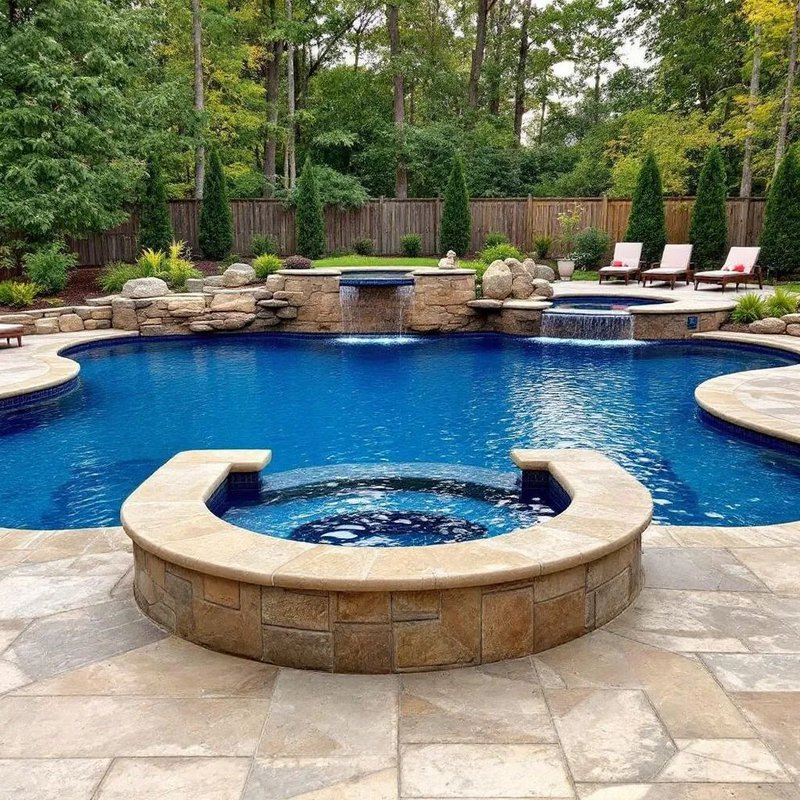
Higher-priced fiberglass pool shapes typically offer more than just swimming space. These designs often stand out for their size, layout, and built-in features, creating a more customized and visually distinct backyard environment. In most cases, projects in this category fall in the $100,000 to $200,000+ range once features, installation, and surrounding elements are included.
This tier often includes larger freeform pools, extended rectangular designs with tanning ledges, and shapes that incorporate built-in seating, spas, or multiple functional zones. The added curves, expanded footprint, and integrated features increase both material and labor requirements, which is why these designs are typically associated with higher overall investment.
Mid-Range Fiberglass Pool Shapes for Flexible Backyard Design
Mid-range fiberglass pool shapes strike a balance between design, functionality, and cost. These options are often large enough for everyday use while remaining more straightforward than higher-end designs. Many projects in this range typically land between $70,000 and $100,000 depending on layout, features, and site conditions.
This category commonly includes rectangular pools, kidney shapes, or softly curved layouts that fit well in a variety of backyards. They provide practical swimming space and a clean look without requiring the added complexity of more customized designs, which helps keep costs more moderate while still allowing room for upgrades.
Lower-Priced Fiberglass Pool Shapes for Compact Spaces
Lower-priced fiberglass pool shapes are usually more compact and streamlined, making them a practical option for smaller yards or simpler projects. These designs focus on efficiency while still delivering a functional and enjoyable pool experience. In many cases, these projects may start in the $40,000 to $70,000 range, depending on size and installation factors.
This tier often includes plunge pools, cocktail pools, and smaller rectangular layouts with minimal complexity. A smaller footprint typically reduces excavation, materials, and labor, which helps keep the overall project more manageable from a cost perspective.
What Can Raise the Price Within Any Shape Category
Even within the same shape category, the final cost can vary depending on the features and design choices included in the project. Upgrades and added elements can significantly increase the total investment regardless of the base pool shape.
Common factors that can raise the price include:
- Built-in tanning ledges
- Attached spas
- Expanded seating areas
- Water features such as waterfalls or deck jets
- Upgraded hardscape and patio materials
- More customized outdoor layouts
These additions increase both material and labor costs, which is why two pools with the same shape can still end up at very different price points.
How to Compare Fiberglass Pool Shapes and Prices with More Confidence
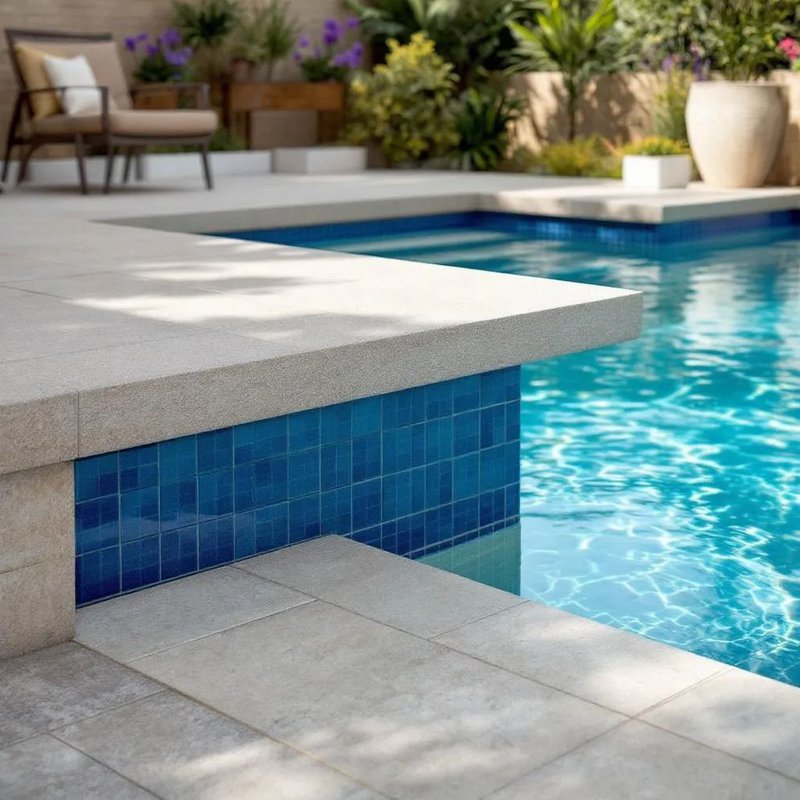
The most effective way to compare fiberglass pool shapes and prices is to start with the tier that fits your budget, then refine your options based on layout, features, and goals. This approach makes it easier to evaluate trade-offs without getting focused on a single number too early in the process.
Some homeowners may prefer a higher-priced shape with more built-in appeal, while others may choose a mid-range option for flexibility or a compact design for efficiency. The key is to evaluate shape and cost together so the final decision reflects both the space and the investment.
If you are ready to explore which pool shape fits your backyard and your budget, contact Chip and Dip Pool Services to get started.
