
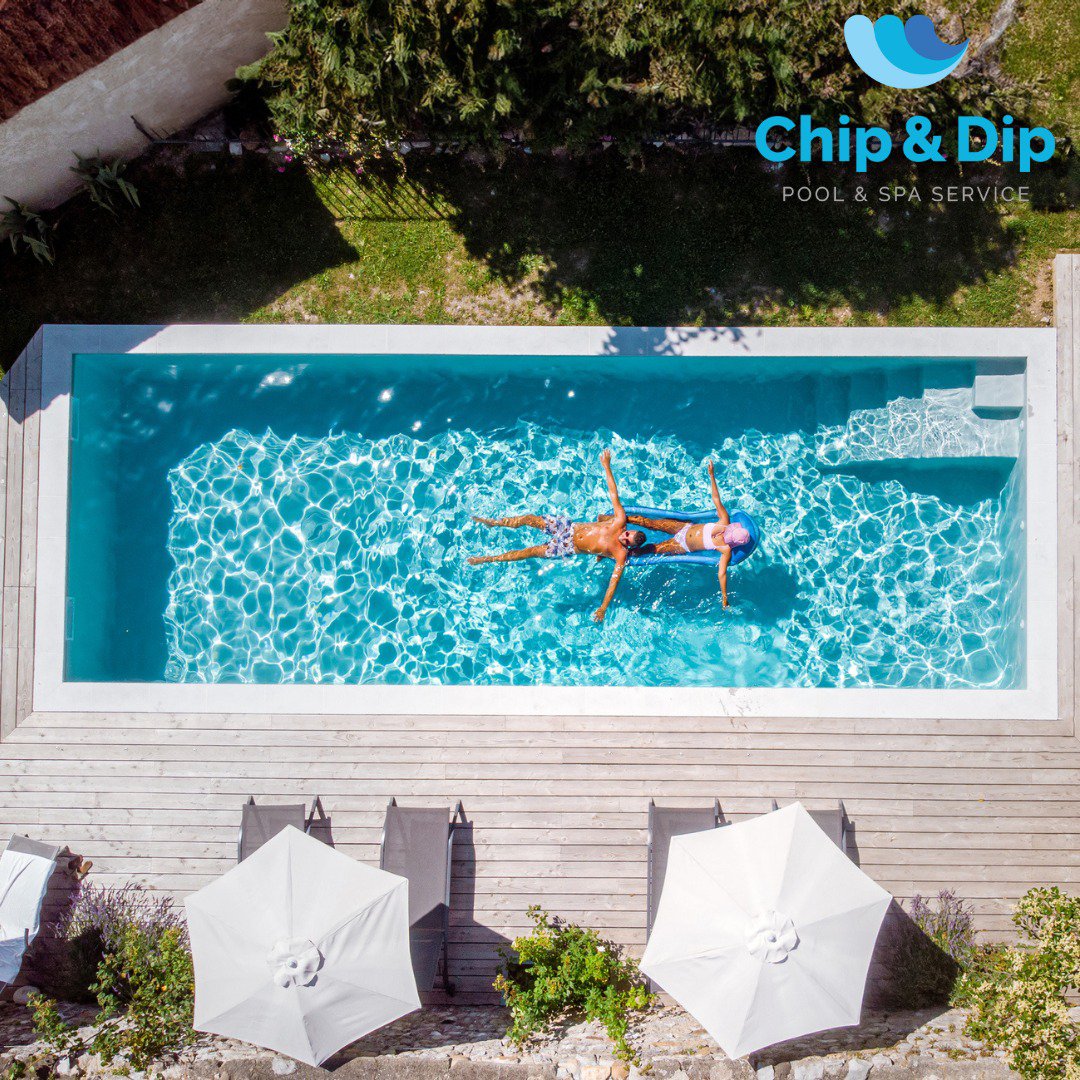
Not every backyard needs a full-sized swimming pool to feel like a retreat. Homeowners with smaller lots or tight side yards often choose a fiberglass plunge pool. It delivers the cooling benefits of a traditional pool without the size, cost, or maintenance. It is one of the fastest-growing trends in outdoor living, and for good reason.
What Is a Fiberglass Plunge Pool?
A fiberglass plunge pool features a compact, factory-molded shell that supports relaxation, cooling off, and light exercise. It does not support lap swimming. Most models run between 10 and 16 feet long and 6 to 8 feet wide. Depths for these pools typically range from 3.5 to 5 feet. Because the shell arrives pre-manufactured, the installation process is far quicker and more predictable than pouring concrete on-site.
Homeowners are drawn to a fiberglass plunge pool because it fits spaces that would never accommodate a standard inground pool. Narrow city lots, courtyards, rooftop terraces, and small suburban yards can all support a plunge pool. This leaves plenty of room for landscaping, seating, or a fire feature.
Why Fiberglass Plunge Pools Are Trending Right Now
Modern homeowners want outdoor living spaces that feel intentional and low-fuss. A few forces are driving the popularity of the fiberglass plunge pool specifically.
- Smaller lots, bigger expectations. New home construction across many suburban markets has trimmed lot sizes, but buyers still want a resort-style backyard. A plunge pool solves that tension by offering water, shade, and style within a modest footprint.
- Speed of installation. A fiberglass plunge pool typically goes from excavation to water in 3 to 6 weeks. This is because the shell is built off-site and shipped ready to install. Fiberglass plunge pool installation is faster than 8 to 12 weeks or more for a concrete pool of similar scope. That shorter timeline matters to homeowners who want to enjoy summer sooner rather than later.
- Lower long-term costs. Fiberglass surfaces resist algae growth better than concrete or plaster. It translates to chemical usage and fewer resurfacing projects over the life of the pool.
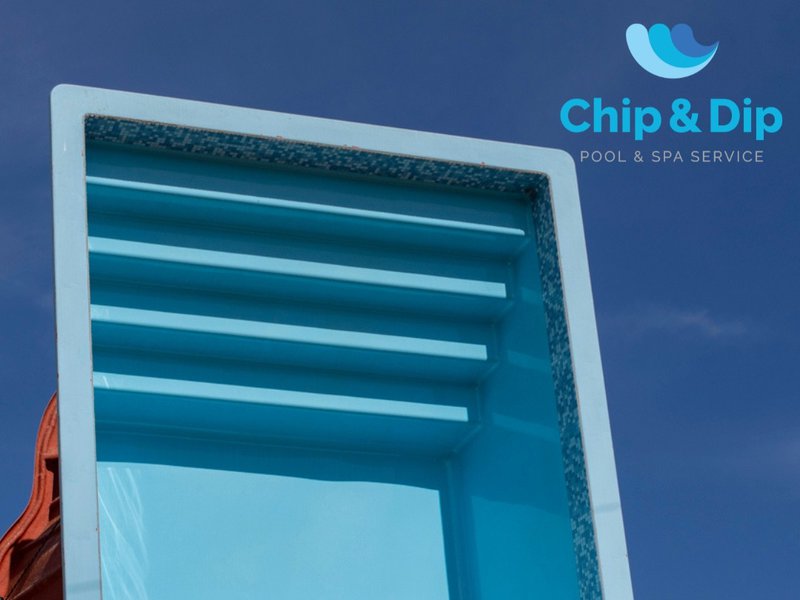
- Design flexibility. Manufacturers now offer plunge pool shells with tanning ledges, built-in benches, spillover spas, and a wide range of gel coat finishes, so a small pool no longer means a plain one.
Sizes, Costs, and Timelines to Expect
Every backyard is different, but homeowners researching a fiberglass plunge pool generally see the following ranges.
- Size: Compact plunge pools start around 10 by 6 feet and scale up to roughly 16 by 8 feet. Additionally, some manufacturers offer L-shaped or spillover spa combinations for added function.
- Cost: Installed pricing for a fiberglass plunge pool typically lands lower than a full-size fiberglass or concrete pool. This is because fiberglass plunge pools need less excavation, water, and equipment. The final cost still depends on site access, decking material, fencing, and any added features like heaters or automation.
- Timeline: From signed contract to first swim, most projects move through site prep, excavation, shell placement, plumbing and electrical connections, backfill, and decking in a matter of weeks rather than months.
Maintenance: Simple by Design
One of the biggest selling points of a fiberglass plunge pool is how little maintenance it demands. The smooth, non-porous gel coat surface resists algae and scale buildup, which means less scrubbing and fewer chemicals compared to a concrete shell. A basic weekly routine, checking chemical balance, running the filter, and skimming debris, is usually enough to keep the water clear year-round. There are no liners to replace and no resurfacing every decade, which keeps long-term ownership costs predictable.
Is a Fiberglass Plunge Pool Right for You?
A fiberglass plunge pool tends to be the ideal fit for:
- Homeowners with limited yard space who still want a real water feature
- Busy families who want to swim without a heavy maintenance routine
- Buyers upgrading a patio, deck, or outdoor kitchen area who want a pool that complements the space rather than dominating it
- Anyone drawn to modern, minimalist backyard design
If any of that sounds like your household, a fiberglass plunge pool is worth serious consideration during your next backyard project.
What the Industry Says About Fiberglass Construction
Pool construction standards and consumer education around fiberglass, vinyl, and concrete pools are maintained by the Pool & Hot Tub Alliance. It is a nonprofit organization that develops safety and construction standards for the swimming pool industry. Homeowners can use its resources to compare pool types and learn how manufacturers engineer and installers install fiberglass shells before making a decision.
Bring Your Backyard Vision to Life
A smaller footprint does not mean a smaller upgrade. A well-placed fiberglass plunge pool can transform an underused side yard or patio into the most-used space in the house, without the long build time or heavy maintenance schedule of a traditional pool.
If you are picturing a compact, low-maintenance pool that fits your lifestyle and your lot, our team at Chip & Dip Pool & Spa Service would love to help you design it. From layout and finish selection through installation day, we handle every detail so you can start enjoying your backyard sooner. Request an estimate from the Chip & Dip team, and we’ll examine your space, your budget, and the fiberglass plunge pool options that make the most sense for your home.
