
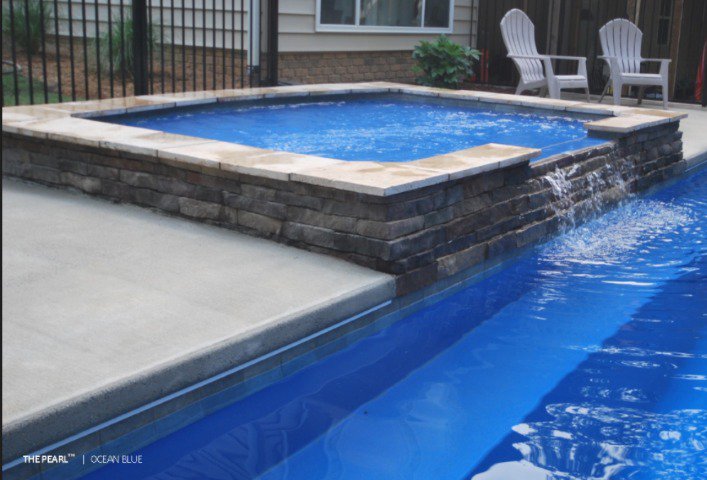
Choosing the right pool material can shape your backyard experience for decades, not just for one summer. Homeowners comparing options today are asking the same question again and again: is a fiberglass above-ground pool really worth it compared to vinyl or steel? The short answer is yes for most homeowners, but the details matter. Let's break down how fiberglass stacks up against vinyl and steel when it comes to lifespan, maintenance, aesthetics, and long-term value.
Vinyl, Steel, or Fiberglass Above-Ground Pool
A fiberglass above-ground pool is manufactured off-site as a single molded shell with a smooth gel coat finish, then delivered ready to install. Vinyl and steel pools work differently. Steel-walled pools rely on a metal frame with a vinyl liner stretched across the interior to hold the water. That liner is the part that does all the heavy lifting, and it is also the part most likely to fail over time.
Because a fiberglass pool has no liner and no seams, there is simply less that can go wrong. That structural difference leads many homeowners to compare long-term performance instead of upfront cost.

Lifespan: How a Fiberglass Above-Ground Pool Outlives Traditional Materials
This is where the comparison gets interesting. Steel pools with vinyl liners typically need replacement liners every 8 to 12 years. Their steel walls can also corrode over time, especially with saltwater systems. A properly installed and maintained fiberglass above-ground pool can last 25 to 30 years or longer. Homeowners also avoid the recurring liner replacement costs that vinyl and steel pool owners often expect.
If you are thinking about the total cost of ownership rather than just the upfront number, a fiberglass pool often pulls ahead simply because you are not budgeting for a liner swap every few years.
Maintenance: What Ongoing Care Really Looks Like
Vinyl liners have seams and a soft surface that can trap algae and are vulnerable to punctures from pets, sharp toys, or rough play. Steel walls hidden behind that liner can also develop hidden corrosion that only becomes obvious once real damage has occurred.
A fiberglass above-ground pool skips both of those headaches. The non-porous gel coat resists algae growth, holds a stable pH, and needs far fewer chemicals to stay balanced. For homeowners who want to spend their weekends actually using the pool instead of maintaining it, that lower maintenance load is often the deciding factor.
Aesthetics: Looks That Last
Vinyl liners fade, wrinkle, and eventually look dated well before they technically need replacing. Steel components can show wear at the waterline over time. A fiberglass pool keeps its color and shine longer because of its durable gel coat finish. It also resists sun exposure and pool chemicals without the discoloration common in vinyl liners.
For homeowners who care about how their backyard looks year after year, this is a meaningful difference. An above-ground fiberglass pool tends to look nearly as good in year fifteen as it did on installation day.
Long-Term Value for a Fiberglass Above-Ground Pool
Proper water chemistry is central to any pool's longevity, no matter the material. The Centers for Disease Control and Prevention recommends maintaining pool water at a pH between 7.0 and 7.8 to keep water safe and protect pool surfaces. A fiberglass above-ground pool makes that target easier to maintain. Its non-porous gel coat resists mineral absorption better than vinyl liners. As a result, homeowners see fewer swings in water chemistry and less surface wear over time. That stability helps fiberglass retain its value throughout the pool's lifespan.
This advantage adds up in ways that go beyond the water itself. A fiberglass above-ground pool does not use a liner, so homeowners avoid replacement costs every 8 to 12 years. They also avoid the labor and downtime that liner replacement requires. Homeowners spend less on pH adjusters, algaecides, and stabilizers because fiberglass needs fewer chemical corrections. A well-balanced fiberglass shell requires less intervention to maintain proper water chemistry.
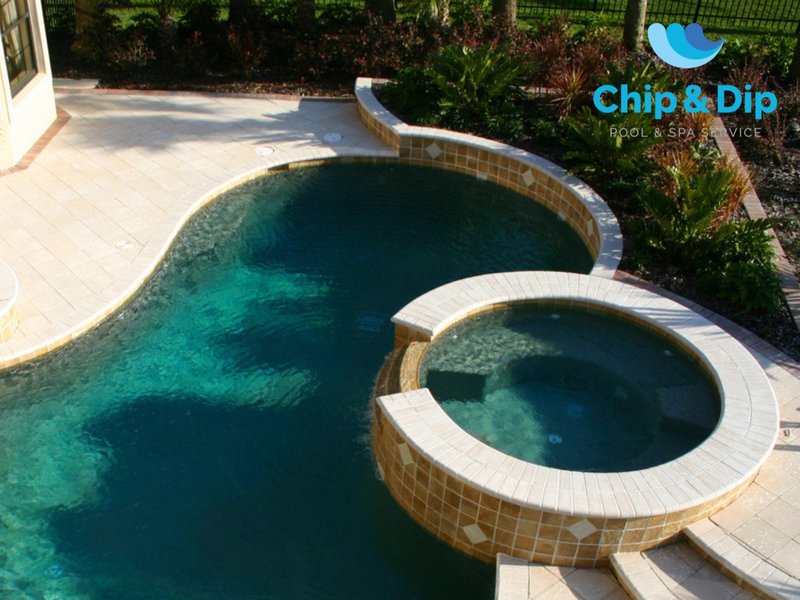
There is also a resale angle worth considering. A pool that maintains its surface, color, and structural integrity is easier to sell than one with a fading or patched liner. The same applies to a recently replaced liner. Buyers touring a home with a fiberglass above-ground pool see a finished, low-maintenance feature. They do not see a future expense that they must plan for. Over 10 or 20 years of ownership, lower upkeep costs and fewer major repairs add lasting value. Consistent curb appeal also helps fiberglass above-ground pools outperform vinyl and steel alternatives over time.
Why Homeowners Are Choosing Fiberglass Above-Ground Pools
Put it all together, and the pattern becomes clear. An above-ground fiberglass pool makes that target easier to maintain. Its non-porous gel coat absorbs fewer minerals than vinyl liners. As a result, water chemistry stays more stable and the surface experiences less wear. That long-term stability helps fiberglass retain its value over time.
Let's Talk About Your Backyard
If you are weighing a fiberglass above-ground pool against vinyl or steel alternatives, it helps to talk it through with people who install these pools every day. Chip & Dip Pool & Spa Service has helped homeowners across the area choose the right pool for their space, their budget, and their lifestyle, and our team is happy to walk you through what fits your yard best.
Don’t hesitate; request an estimate from a Chip & Dip expert and see what an above-ground fiberglass pool could look like at your home.
