
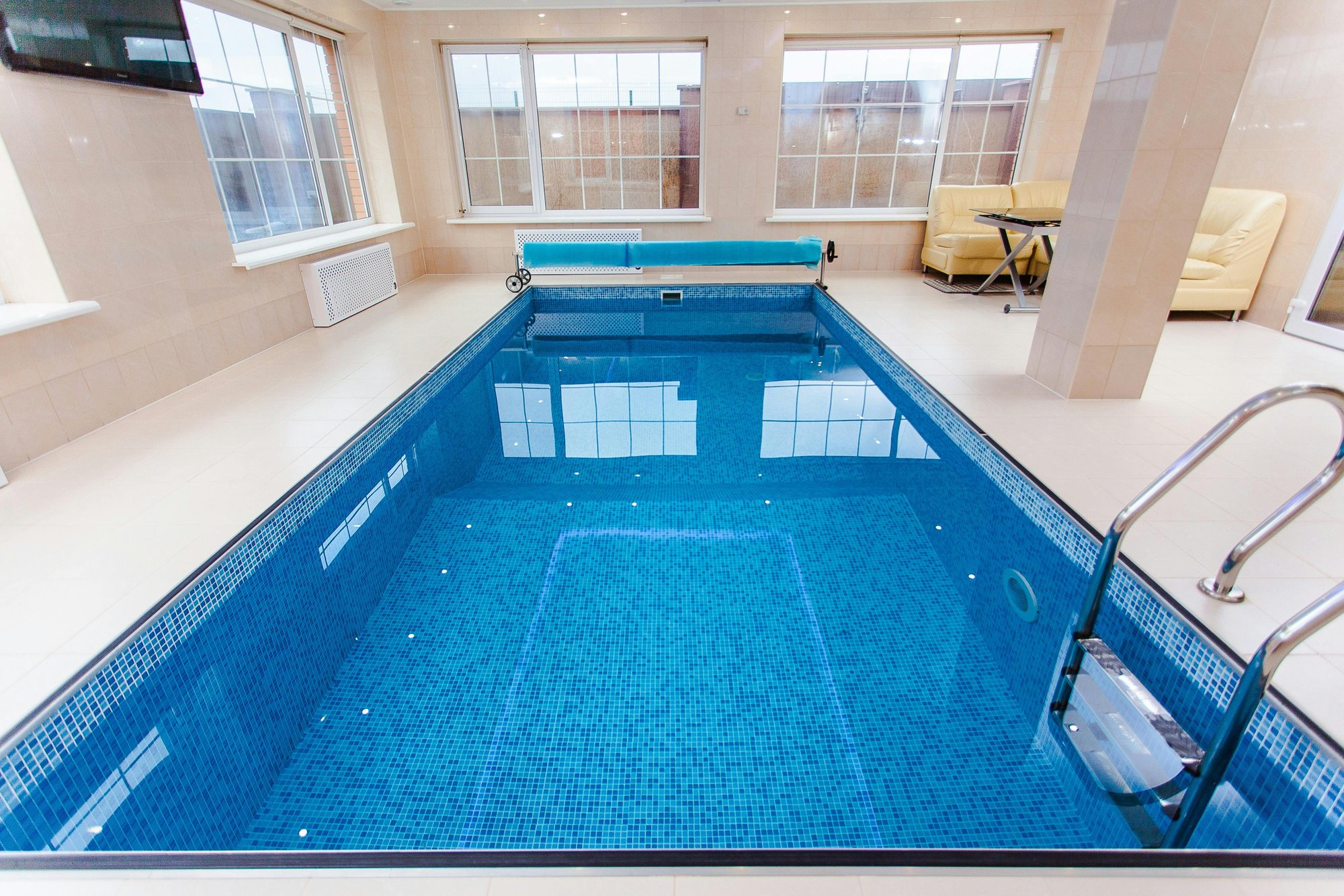
Planning a new swimming pool involves many moving parts that influence your final household budget. The initial cost to build a pool depends heavily on the materials and labor required. Homeowners must evaluate how different choices impact both their immediate expenses and long-term financial commitments.
A successful project requires a balance between desired features and the functional needs of your yard. Understanding every variable helps you avoid common pitfalls that lead to significant budget overruns. Clear planning ensures your new aquatic space remains a source of joy rather than financial stress.
Material Selection and the Cost to Build a Pool
The primary material you choose for your pool shell dictates the baseline price for your project. Fiberglass models often offer a middle ground between affordable vinyl liners and custom concrete options. According to HomeGuide, the average price for a fiberglass pool installation typically ranges from $45,000 to $100,000.
Selecting high-quality swimming pool models ensures you receive a durable structure that withstands local soil movements. In addition to this, concrete pools provide flexibility but require extensive labor which drives up investment. Vinyl pools remain the cheapest to install initially yet they need liner replacements every decade.
Ultimately, these frequent replacements can eventually exceed the long-term cost to build a pool using fiberglass. Maintenance requirements vary significantly based on the interior surface texture of your chosen pool type. For instance, porous concrete surfaces harbor algae more easily than the smooth gel coat on fiberglass.
How Size Impacts the Cost to Build a Pool
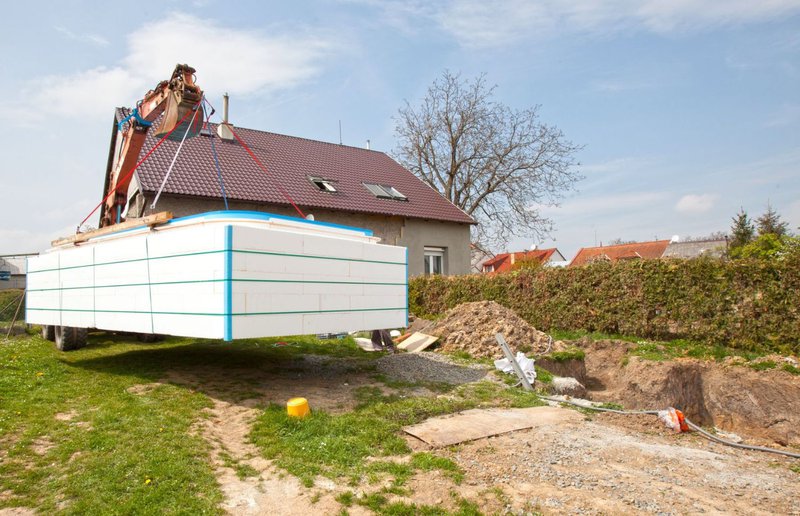
Larger dimensions naturally require more excavation work and a greater volume of expensive construction materials. Moreover, every additional foot of depth increases the amount of dirt that contractors must haul away. These structural requirements quickly elevate the total expenses associated with any standard residential pool project.
Water volume directly impacts the size of the filtration system and pump needed for your backyard. In contrast to smaller units, larger pools require more powerful equipment to circulate water effectively. Heating costs also scale with surface area because most heat loss occurs through evaporation at night.
Beyond construction, size affects the amount of chlorine or salt needed to maintain safe water. Smaller pools are generally more efficient to operate and require less time for routine brushing. On the other hand, finding a size that balances goals with maintenance reduces the cost to build a pool.

Site Conditions Affecting the Cost to Build a Pool
Yard conditions are often the most unpredictable factor when calculating the total construction budget for homeowners. As a result, you should always set aside a contingency fund for unforeseen obstacles discovered. Professional site assessments help identify potential challenges before the heavy machinery arrives at your private residence.
Homeowners must evaluate specific site factors that can quickly escalate the budget:
- Access Limitations: Narrow paths between houses or low-hanging power lines often prevent large machinery from entering.
- Soil Composition: Encountering solid rock or high water tables during excavation requires specialized equipment and permits.
- Grading and Leveling: Sloped backyards need retaining walls or extensive dirt moving to create a flat area.
- Utility Rerouting: Moving existing underground gas lines or electrical conduits adds significant labor and inspection fees.
- Drainage Solutions: Proper runoff management prevents rainwater from flooding your pool or damaging your home’s foundation.
In light of these variables, experienced contractors evaluate physical factors to provide a more accurate estimate. Addressing drainage and soil stability early prevents expensive structural failures once the pool is filled. This proactive approach ensures the final cost to build a pool remains within your budget.
Essential Equipment and Functional Add-Ons
Investing in high-quality equipment ensures your system runs efficiently and prevents expensive repairs after installation. Specifically, modern technology allows homeowners to automate routine tasks while reducing long-term energy consumption and costs. Selecting the right components during the initial build phase saves significant money on future upgrades.
Homeowners can customize their experience by choosing features that match their lifestyle and maintenance goals:
- Variable Speed Pumps: These units reduce energy consumption significantly compared to older single-speed motor models.
- Pool Heaters: Adding a heat pump or gas heater extends your swimming season into cooler months.
- Saltwater Systems: While the initial setup is higher, these systems provide a gentler swimming experience for users.
- Automatic Covers: Investing in a safety cover reduces chemical evaporation and keeps debris out of the water.
- LED Lighting: Modern color-changing lights enhance nighttime safety and create a beautiful atmosphere for evening gatherings.
Due to these enhancements, functional additions improve the safety and enjoyment of your aquatic space. Energy-efficient heaters and pumps pay for themselves through lower monthly utility bills over several years. Such smart upgrades enhance long-term value while managing the total cost to build a pool.

Comparing Long-Term Upkeep to Construction Pricing
Routine maintenance is a critical component of ownership that many people overlook during the design. Along with this, professional cleaning and chemical balancing protect your equipment from premature wear. Reviewing professional maintenance and service options ensures your mechanical systems stay in peak condition.
Budgeting for these services ensures the cost to build a pool remains a smart investment. Similarly, annual utility bills for electricity and water fluctuate based on local rates and weather. Investing in energy-efficient heaters or solar covers helps mitigate these ongoing operational costs for homeowners.
Alternatively, neglecting small repairs often leads to massive failures that require expensive structural or mechanical overhauls. Consistent care from qualified professionals helps maintain the value of your property for many years. To conclude this section, winterization and spring openings are seasonal tasks requiring specific technical knowledge.
Strategic Planning for Your Backyard Transformation
Successful pool ownership begins with a clear understanding of all construction and operational financial requirements. Homeowners who research the cost to build a pool can make smarter choices regarding features. Evaluating every variable allows you to create a backyard retreat that fits your lifestyle needs.
At Chip & Dip Pool Services, we provide honest and transparent information for every client. Our team helps you evaluate the cost to build a pool while focusing on value. We offer personalized insights to ensure your investment provides years of performance and family fun.
Explore our professional service options to maintain your oasis with absolute confidence and ease.

