
Adding a backyard pool changes how your family relaxes, gathers, and spends warm afternoons together. Deciding to build a pool involves more planning than most homeowners initially expect. Costs, materials, permits, and yard conditions all shape the final result you enjoy.
Smart preparation helps you avoid surprises that often stretch budgets and delay construction. Knowing your options early makes the entire process feel calmer and far more manageable. Use this guide to settle the key decisions before any digging begins.
What to Weigh Before You Build a Pool
Start by picturing how you actually want to use the water through each season. Families with young children tend to prioritize shallow areas, safety features, and easy entry points. Swimmers focused on exercise may instead want length, consistent depth, and open lap space.
Available space matters just as much as personal preference when shaping a realistic plan. Measure your yard carefully and note any slopes, trees, fences, and underground utility lines. Reviewing different pool shapes and sizes early helps match your vision to your property.
Think about features now, since extras like spas, lighting, and ledges affect layout decisions. Adding heating, automation, or a tanning ledge later usually costs more than planning ahead. Clear priorities at this stage keep your project grounded, focused, and easier to budget.
Choosing Between Fiberglass, Vinyl, and Concrete
Material choice influences your budget, maintenance routine, installation timeline, and long-term durability expectations. Each option carries clear trade-offs worth understanding before you build a pool you'll keep for decades.
Here is how the three most common pool materials generally compare across key factors:
- Fiberglass: smooth pre-molded shells install within days and naturally resist algae buildup over time.
- Vinyl: lower upfront cost, though the liner usually needs replacement roughly every ten years.
- Concrete: fully customizable shapes and finishes that can last fifty years or even longer.
- Maintenance: fiberglass needs fewer chemicals, while concrete demands more brushing and regular surface care.
- Timeline: fiberglass installs fastest, concrete takes the longest, and vinyl lands somewhere between them.
Cost data reported by NerdWallet shows fiberglass lasting roughly 25 years and concrete far longer. Ultimately, weighing durability against upfront price helps you pick a material that suits your goals.
Budgeting for the Full Picture
A realistic budget covers far more than the price of digging and filling the pool. According to industry estimates, an in-ground pool averages around $66,000 nationwide. Material-only costs can range quite widely, falling anywhere between roughly 14,000 and 135,000 dollars.
Permits, excavation, fencing, and landscaping each add meaningful line items to your overall total. Equipment choices also matter, since pumps, filters, and heaters influence both cost and performance. Selecting efficient equipment early can lower monthly expenses across the life of your pool.
Ongoing upkeep deserves a spot in your plan, not just the initial construction figure. Cleaning, chemicals, and seasonal servicing typically add a few hundred dollars to monthly costs. Planning to build a pool with future maintenance in mind protects your investment over time.
How Your Yard Shapes the Project
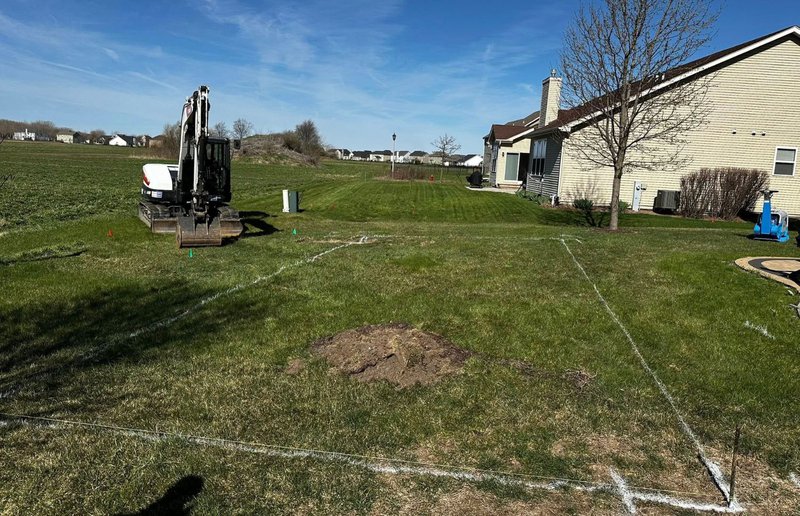
Site conditions often determine how smoothly construction moves from approval to finished swimming space. Soil type, drainage, and slope all affect excavation difficulty and the supporting structure needed. Rocky ground or a steep grade can raise labor hours and extend the overall timeline.
Access to your backyard plays a surprisingly large role in scheduling and equipment use. Narrow gates or tight corners may require smaller machines, which can slow excavation work. Crews sometimes need to remove sections of fencing temporarily, adding minor costs that homeowners overlook.
Local permits and inspections also depend heavily on where your property happens to sit. Setback rules, fencing codes, and approval times can vary widely between cities and counties. Confirming all these details upfront keeps your timeline realistic and your expectations firmly grounded.
Mistakes Worth Avoiding Early
Many costly setbacks trace back to decisions made too quickly during the planning phase. Knowing the common pitfalls ahead of time helps you sidestep frustration and wasted money.
Watch closely for these frequent missteps as your backyard project gradually takes shape:
- Skipping a budget buffer for unexpected excavation issues, permit delays, or material price changes.
- Choosing a pool size that overwhelms a modest yard or crowds your seating areas.
- Ignoring long-term upkeep when comparing materials based purely on their initial sticker price.
- Overlooking equipment efficiency, then absorbing higher energy bills month after month afterward.
- Rushing the contractor choice instead of comparing experience, references, warranties, and past project quality.
Avoiding these traps comes down to patience, research, and honest conversations with your installer. Careful preparation now spares you expensive corrections once the concrete and plumbing are set.
Planning Today for Years of Enjoyment
Choosing to build a pool is a meaningful investment that rewards thoughtful, patient planning. Homeowners who weigh costs, materials, and site conditions tend to enjoy far better results. Preparation turns a complex project into a backyard space your family will genuinely love.
At Chip & Dip Pool Services, homeowners get grounded guidance on every stage of ownership. Our team helps you plan, build a pool, and maintain it with lasting confidence. Request an estimate today to begin shaping a pool designed around your space.
