
A clean pool starts long before anyone grabs a net and skims the surface. The real work happens with pool-cleaning equipment running quietly in the pump room, day and night, keeping the water clear and safe for swimming.
Most homeowners only think about this equipment when something breaks, but knowing how each piece works makes ownership far less stressful. This guide breaks down the essential gear, why it matters, and practical ways to keep it running well through every Chicago pool season.
Why the Right Pool Cleaning Equipment Matters
Every pool owner eventually learns that clean water is not an accident. It comes from pool cleaning equipment working together: a pump that moves water, a filter that traps debris, and tools that handle the dirt equipment can't catch on its own. Skip one piece, or let it wear out, and the whole system struggles to keep up.
A pool with a strong pump but a neglected filter still turns cloudy. A pool with a great filter but a weak pump circulates water too slowly for chemicals to spread evenly. Each component depends on the others, which is why homeowners get the best results by treating their setup as one connected system rather than a list of separate parts.

Understanding what each part does also helps you spot problems early. A slight change in water clarity, a spike in energy bills, or a new noise from the pump room are often the first hints that something needs attention, long before a full breakdown happens.
Pumps: The Heart of Your Pool Cleaning Equipment
The pump circulates every gallon of water through the filtration system, often several times a day depending on pool size and run time. Without steady circulation, chemicals cannot distribute evenly, and debris settles instead of moving toward the filter.
Homeowners usually notice pump trouble first through weak water flow, unusual noise, or a motor that runs hotter than normal. A pump that loses prime, cycles on and off, or struggles to start needs attention before it fails. Variable speed pumps have become a popular upgrade for many households, since they run at lower speeds for regular filtration and shift to higher speeds only when needed, which often reduces energy use over a full season.
Sizing matters as much as maintenance. A pump that is too small for a pool's volume works overtime and wears out faster, while one that is too large wastes energy and can stress the plumbing. Chip & Dip's guide on pool pumps covers sizing, energy efficiency, and the early warning signs worth watching for.

Filters: Where Pool Cleaning Equipment Does Its Finest Work
While the pump moves water, the filter is what actually cleans it. Sand filters trap particles as water passes through a bed of specially graded sand, and they typically need backwashing every one to four weeks depending on use. Cartridge filters use pleated fabric elements that catch finer debris and simply need rinsing or replacing rather than backwashing. Diatomaceous earth filters offer the finest filtration of the three, though they need a bit more hands-on care to maintain the DE coating.
A filter clogged with debris forces the pump to work harder and can shorten the lifespan of the whole system. The pressure gauge on the filter tank gives the clearest signal that it's time to act. A reading that climbs 8 to 10 psi above the normal starting pressure usually means it's time to clean or backwash. Chip & Dip's pool filters page walks through matching a filter to your pool size, and their guide on backwashing a filter covers the process step by step.
Skimmers, Vacuums, and Manual Cleaning Tools
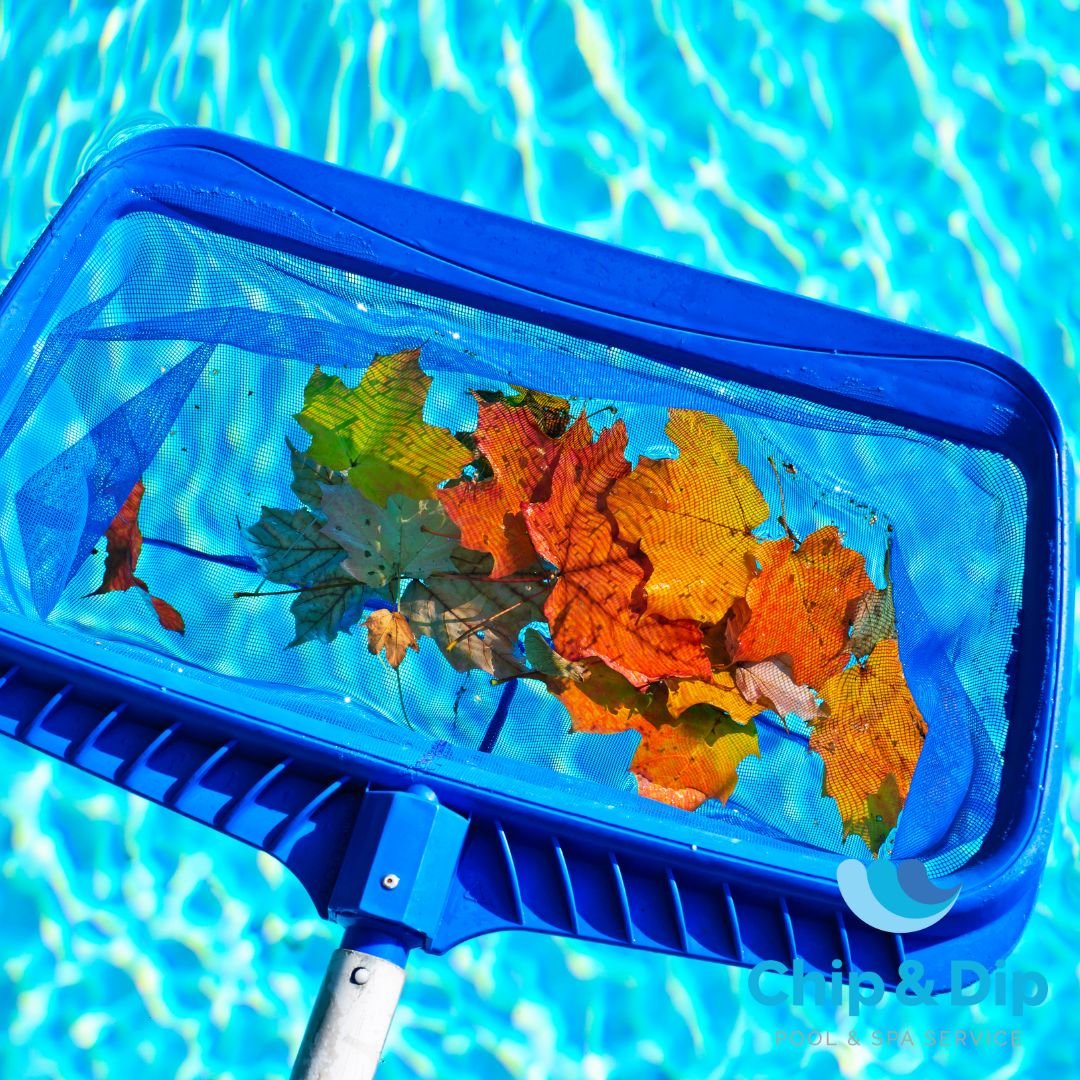
Pumps and filters handle what's suspended in the water, but leaves, bugs, and sediment need a different approach. Skimmers catch floating debris before it sinks, and emptying the skimmer basket once or twice a week keeps water flowing freely toward the pump.
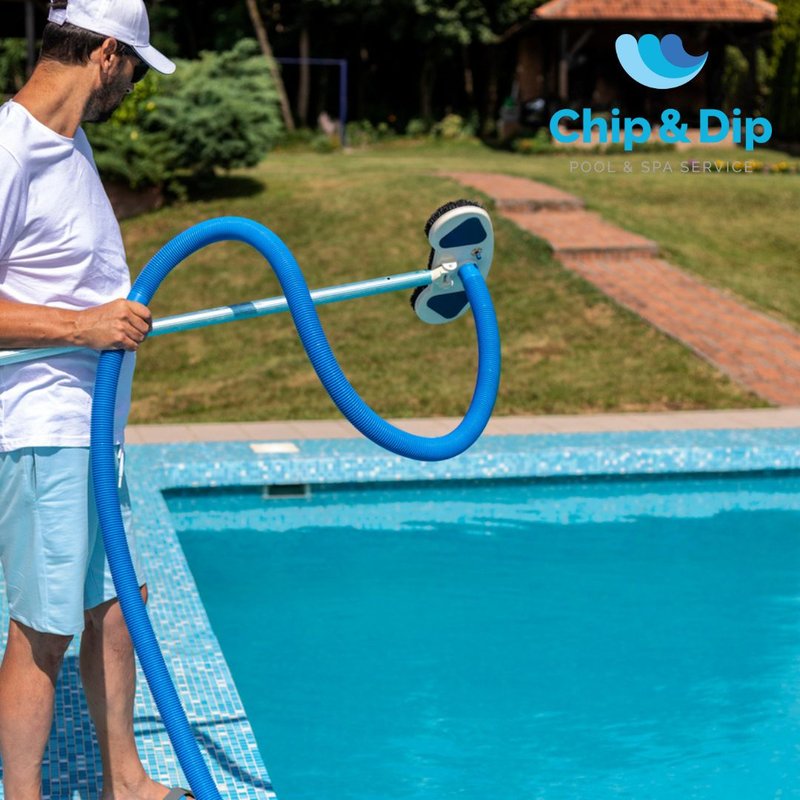
Manual or automatic vacuums pull dirt from the pool floor and walls, which matters most after storms or heavy tree cover drops debris overnight. A good pool brush, a telescopic pole, and a reliable skimmer net round out the basics every owner should keep on hand. Robotic vacuums have grown popular too, since they run independently, filter as they go, and cut down on manual cleaning time considerably.

None of these tools replace plumbed pool cleaning equipment, but they fill the gaps a pump and filter can't reach on their own. A pool that relies only on its plumbed system tends to collect debris along the waterline and in corners where circulation runs weakest.
Keeping Pool Cleaning Equipment in Good Shape
Equipment lasts longer with a bit of routine care. Check pressure gauges weekly, empty skimmer baskets often, and inspect O-rings and seals before minor wear turns into a leak. A quick monthly check of pump housing, filter connections, and visible plumbing can catch small issues while they're still inexpensive to fix.
Water chemistry plays a direct role in equipment health too. The CDC recommends testing chlorine concentration and pH at least twice a day, using a proper test kit for accurate results. Balanced chemistry protects swimmers and equipment alike, since pH that drifts too far in either direction can damage pumps, filters, and metal fittings over time. Chemical mishandling is also a real safety concern nationwide, contributing to thousands of emergency room visits each year, which is one more reason to keep pool chemicals secured and clearly labeled near your equipment area.
Owners who stay on top of these small checks tend to avoid the bigger repairs that come from neglect. A full overview of what belongs in a working system lives on Chip & Dip's pool equipment page, covering pumps, filters, heaters, and more.
When to Call a Professional
Some maintenance is simple enough to handle solo, but pump replacements, filter upgrades, and electrical issues call for trained hands. Forcing a repair without the right experience can cause more damage than it fixes, and it can even void manufacturer warranties on newer equipment.
This is where a dedicated maintenance team pays off. Chip & Dip Pool & Spa Service offers scheduled upkeep and equipment troubleshooting for pool owners across the Chicago area, handling everything from pump repairs to full filter replacements. Homeowners who would rather enjoy their pool than manage its equipment often turn to their maintenance and service plans for that peace of mind.
Ready for Easier Pool Maintenance?
Owning a pool should feel like relaxation, not a constant chore list. If your pool cleaning equipment is aging, underperforming, or just confusing to manage on your own, reach out to the Chip & Dip team. They'll walk through your setup, recommend upgrades where they make sense, and get you set up with a maintenance plan built around your pool.

