
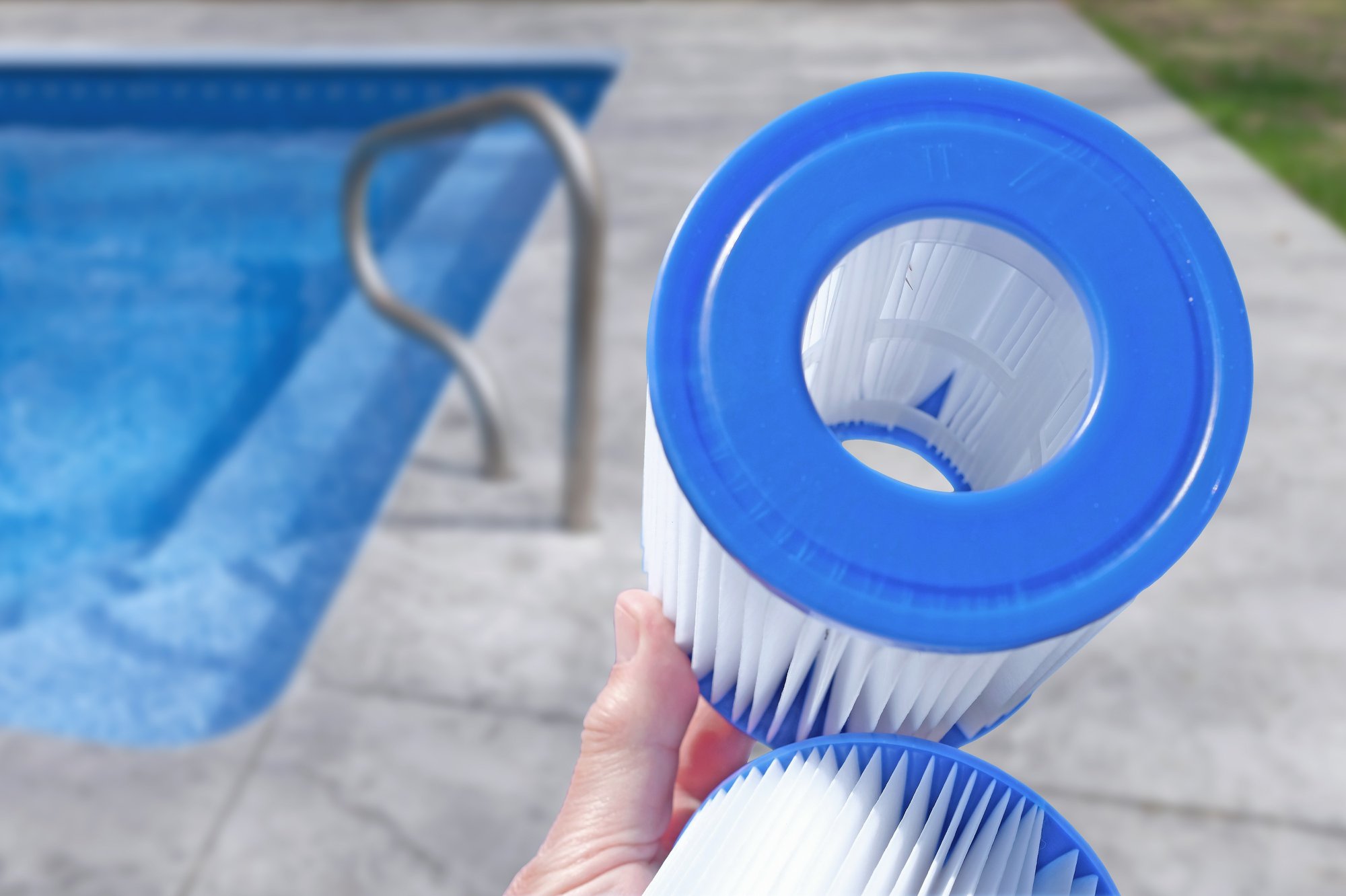
A clean pool filter keeps your water clear and your equipment running efficiently. Learning how to clean pool filter systems properly protects your investment and can save you money over time. Each filter type—cartridge, sand, and DE—requires a different cleaning approach, and skipping steps can leave debris behind. This guide walks you through each method, how often to clean your filter, and when to call in help. By the end, you'll know exactly what your filter needs to keep working at its best.
Why Pool Filter Cleaning Matters
Your filter removes dirt, oils, and fine debris from the water. It works constantly to keep your sanitizer effective. A clogged filter slows water flow and raises pressure in the system. That forces your pump to work harder, which can shorten its lifespan. Routine pool filter maintenance protects your equipment and keeps your water safe. Neglecting it can also drive up your pool maintenance costs over time, since worn parts and poor circulation can both add to your expenses.

How to Clean a Cartridge Filter
Cartridge filters are the easiest type to clean at home. Turn off the pump first and release the system pressure. Remove the cartridge and rinse it with a garden hose. Work from top to bottom, making sure to clean between each pleat. For a deeper clean, soak the cartridge in a filter cleaning solution for a few hours. Rinse it again before you reinstall it. While the cartridge is out, check it for cracks, tears, or other signs of damage. Plan to rinse your cartridge every four to six weeks, and add a deeper soak two or three times each season.

How to Clean a Sand Filter
Sand filters use a process called backwashing instead of manual scrubbing. Turn off the pump and switch the valve to backwash. Run the system until the water in the sight glass turns clear. Switch the valve to rinse for about 30 seconds. This helps settle the sand bed before you return to filtration. Plan to replace your sand every three to five years, since it gradually loses its ability to trap fine particles.
How to Clean a DE Filter
DE filters offer the finest filtration of the three types. Cleaning starts with a backwash, similar to a sand filter. Remove the grids and hose off any remaining buildup. Add fresh DE powder through the skimmer before you restart the pump. While the grids are exposed, check them for tears or other damage. Plan a full cleaning every four to six weeks. Pools near trees or with heavy use may need it more often.
How Often Should You Clean Your Pool Filter
Cleaning frequency depends on your filter type and how often you swim. Local conditions like pollen, dust, and rain matter too. Check your pressure gauge every week. When the reading climbs 8 to 10 psi above its normal level, clean your filter. Pools with heavy traffic or nearby landscaping often need extra attention.
The Centers for Disease Control and Prevention notes that pool owners must routinely test and adjust chlorine and pH to protect swimmers. Good water circulation helps distribute chlorine throughout the pool, while a well-maintained filter supports proper circulation.

Common Filter Cleaning Mistakes to Avoid
A few habits can undo all your hard work at the filter. Using a high-pressure nozzle on cartridge pleats can tear the fabric and let debris pass through. Skipping the soak step lets oils and body lotion build up between rinses, so cartridges may look clean but still clog quickly. Over-backwashing a sand filter wastes water and can push sand into your plumbing lines. Forgetting to add fresh DE powder after cleaning leaves your filter running without proper media, which can reduce filtration performance and put extra strain on the system. Avoid these mistakes, and your filter will run more efficiently between cleanings.
Tools That Make Filter Cleaning Easier
The right tools save time and protect your equipment during every cleaning. A garden hose with an adjustable nozzle works well for rinsing cartridges and DE grids. Keep a filter cleaning solution on hand for scheduled deep soaks. A pressure gauge helps you track when cleaning is due, and rubber gloves protect your hands from oils and chemicals. Keeping these items near your equipment pad makes them easy to grab whenever your filter needs attention.

When a Filter Needs Professional Service or Replacement
Not every problem clears up with a rinse or a backwash. Watch for these signs that you need professional help:
- Persistent high pressure even after a full cleaning
- Cloudy water that never clears up
- Cracked cartridges or torn grids
- A sand bed that has channeled
- Visible leaks around the tank or valve
These issues can raise your chemical costs and put extra strain on your pump. A trained technician can diagnose the problem and recommend the right fix, whether that means replacing damaged grids, changing the filter media, or replacing the entire system. If you close your pool seasonally, our winter pool care guide covers how to protect your filter during the off-season.
Trust Chip & Dip Pool & Spa Service With Your Filter
Filter care pays off over the years, but it's easy to fall behind when life gets busy. Chip & Dip Pool & Spa Service handles routine filter cleanings, chemical testing, and full equipment inspections. Our technicians work on cartridge, sand, and DE systems alike, and they catch small issues before they turn into expensive repairs.
If your filter pressure keeps climbing or your water won't clear up, request an estimate from Chip & Dip. We'll take a look, explain what your system needs, and get your pool running smoothly again.

