
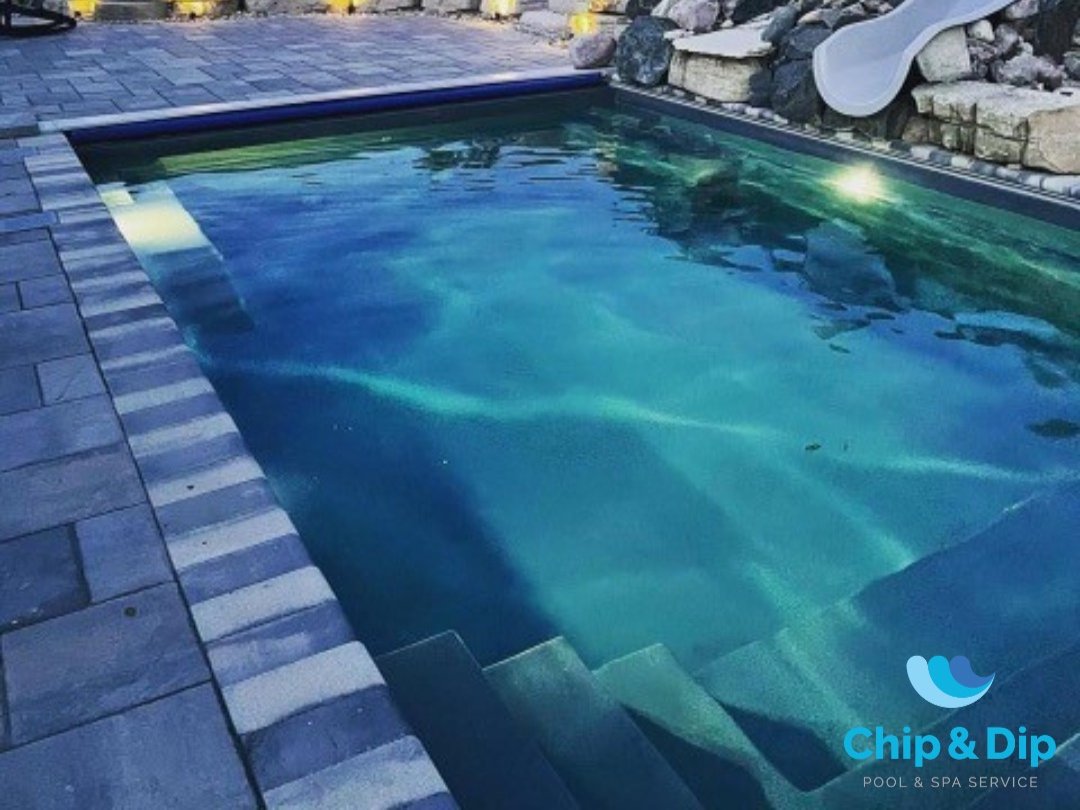
Choosing between a fiberglass vs concrete pool is one of your biggest backyard decisions. Both options can provide years of enjoyment, but each takes a different approach. Your budget, timeline, and maintenance preferences should guide your choice. Understanding those differences helps you choose the best pool for your property.
Below is a side-by-side look at how these two pool types compare on installation time, maintenance, durability, lifespan, customization, and long-term cost, so you can make a confident decision for your home.
Installation Time: Fiberglass vs Concrete Pool
Installation speed is often the first thing that separates these two options. A fiberglass pool arrives at your property as a pre-manufactured shell, so most installations are complete in a matter of weeks. The shell is lowered into an excavated space, leveled, and backfilled. This means far less time waiting around for your backyard to be usable again.
Concrete pools, on the other hand, are built entirely on site. That process includes excavation, steel reinforcement, gunite or shotcrete application, curing time, and a plaster or pebble finish. Depending on weather and crew availability, a concrete build can take several months from start to finish. If you're comparing fiberglass vs concrete pool timelines because you want to swim sooner rather than later, fiberglass has a clear edge.
Fiberglass vs Concrete Pool on Maintenance
Maintenance is where the two materials really start to diverge. Fiberglass pools have a smooth, non-porous gel coat that naturally resists algae growth. That surface reduces scrubbing and generally lowers chemical use over time. Concrete surfaces are more porous and give algae and bacteria more places to grow. As a result, concrete pool owners usually spend more time brushing walls and balancing chemicals.
Water chemistry still matters, no matter which material you choose. The CDC recommends keeping pool pH between 7.0 and 7.8 to protect both swimmers and pool equipment, and that guidance holds for fiberglass and concrete alike. The difference is how much daily and weekly effort each surface demands to stay in that range. If low maintenance is high on your list, fiberglass tends to be the easier pool to live with.
Durability and Structural Strength
Manufacturers build both pool types to last, but each responds differently to stress. Fiberglass shells have a bit of natural flex, which helps them absorb ground movement without cracking. This makes fiberglass a strong performer in regions with shifting soil or freeze-thaw cycles, which are common right here in the Chicago area.
Proper engineering makes concrete rigid and incredibly strong, but that same rigidity can become a drawback over time. Ground movement, freeze-thaw stress, and even chemical exposure can eventually lead to cracking, which usually calls for resurfacing. Neither surface is indestructible, but fiberglass generally requires fewer structural repairs across its lifetime.
Lifespan Expectations: Fiberglass vs Concrete Pool
When it comes to fiberglass vs concrete pool longevity, fiberglass shells commonly last 25 to 30 years or more with routine care, and many well-built shells go even longer. The gel coat surface holds up well against fading and staining, so the pool tends to look newer for longer.
Concrete pools can also last decades, but they typically need resurfacing every 10 to 15 years to stay watertight and visually appealing. That resurfacing adds both cost and downtime over the life of the pool, which is worth factoring in if you're thinking long term.
Customization Options
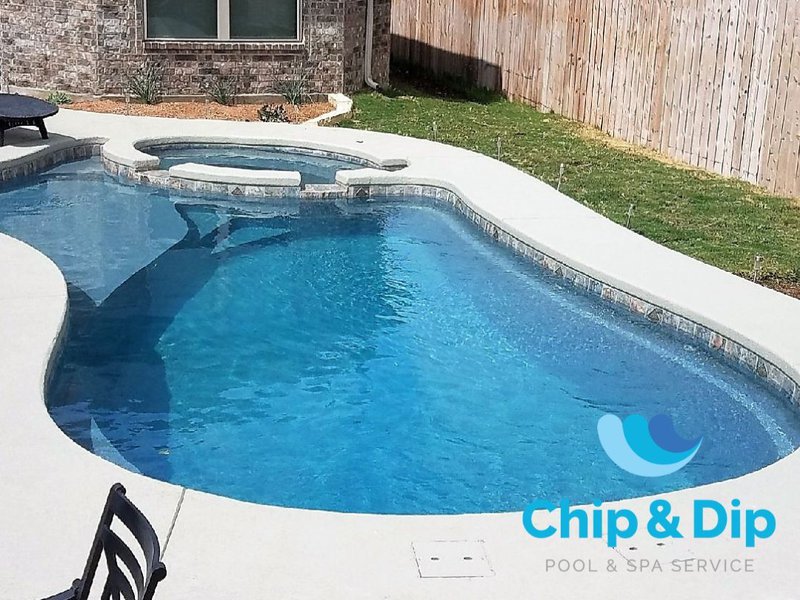
This is one category where concrete traditionally wins. Builders shape concrete on site to create vanishing edges, freeform designs, and custom depths.
That said, fiberglass has closed the gap significantly. Manufacturers now offer fiberglass pools in many shapes, finishes, and tanning ledges. They continue expanding their catalogs with more elaborate designs each year. If you want a highly unique, one-of-a-kind shape, concrete still offers more flexibility. If you want strong design variety without the wait, fiberglass now covers most homeowners' wish lists.
Long-Term Costs
Fiberglass pools often carry a higher upfront price than vinyl pools, but tend to cost less than concrete once you add up the full picture. Lower chemical use, minimal resurfacing, and fewer service calls all add up to real savings over the years.
Concrete pools can cost the same or less upfront, depending on the design. However, ongoing maintenance, higher chemical use, and resurfacing increase long-term costs. Over 10 to 20 years, those expenses often exceed the initial savings. When you look at the true lifetime cost rather than just the installation invoice, fiberglass frequently comes out ahead.
Getting Expert Guidance for Your Backyard
There isn't a single right answer for every homeowner weighing a fiberglass vs concrete pool decision. Your soil conditions, budget, desired shape, and how much maintenance you want to take on all play a role. Choose a team that installs both materials and recommends the best fit for your property.
Chip & Dip Pool & Spa Service has helped homeowners across the Chicago area design and install custom fiberglass pools built for our climate and built to last. The team helps you compare shapes, finishes, and colors before you choose a design.
If you're ready to talk through what fits your backyard best, send us a message and get a plan built around your space, your style, and your budget.
