
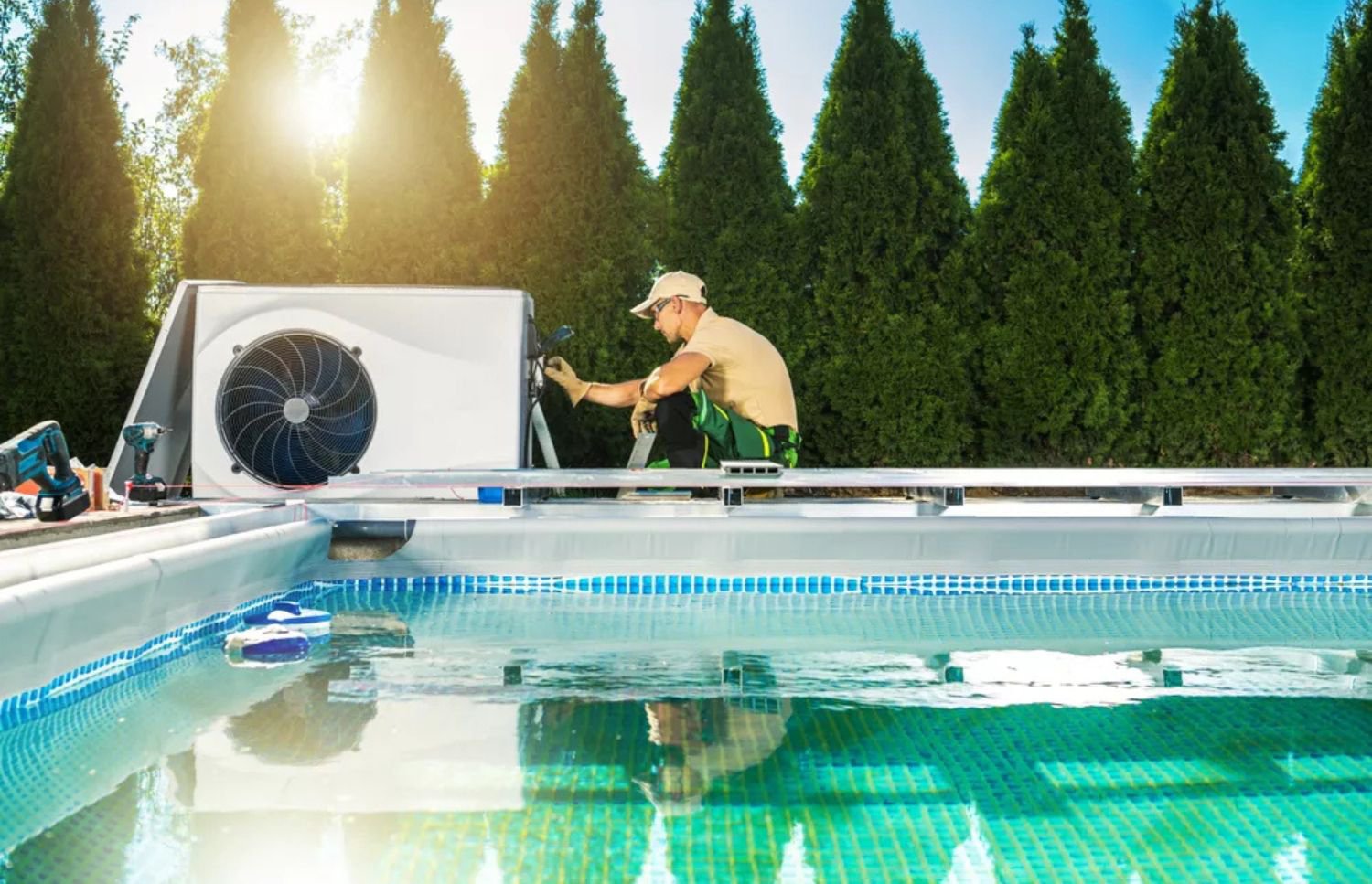
Investing in a backyard oasis requires understanding how much a pool heater cost actually is. Most homeowners want to extend their swimming season without spending a fortune on monthly utility bills. Calculating the total investment involves looking at both the initial purchase and the long-term operation.
Selecting the right heating system ensures your family enjoys comfortable water temperatures throughout the entire year. Proper planning helps you avoid unexpected financial surprises when the first energy statement arrives home. Professional guidance simplifies the process of choosing equipment that fits your specific residential pool needs.
Understanding Primary Equipment Categories
Selecting a heater involves comparing gas units, electric heat pumps, and solar powered heating options. Each system offers unique benefits regarding heating speed, energy efficiency, and total upfront purchase price. The average pool heater cost remains a primary concern for families planning their backyard upgrades.
Electric heat pumps utilize ambient air temperature to warm your pool water very efficiently and affordably. While these units cost more initially, they provide significant savings over several years of use. Consequently, many homeowners find that heat pumps are the most sustainable choice for consistent temperature control.
Solar heaters use natural sunlight to provide warmth, which makes them the most eco friendly choice. Installation for solar panels can be expensive, yet the daily operating costs are nearly zero dollars. Therefore, every homeowner must weigh these initial expenses against their desired swimming schedule and local weather.
Factors Influencing Installation Pricing
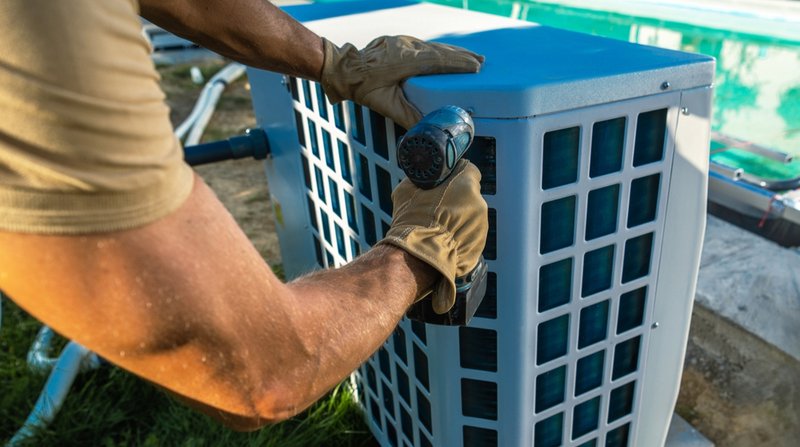
Beyond these factors, labor rates for installing a new heating system vary based on the complexity of your plumbing. For instance, adding a gas line or a dedicated electrical circuit will increase your total project labor costs. Furthermore, technicians must ensure that all connections meet local safety codes and manufacturer warranty requirements for performance.
The physical location of your equipment pad affects how much the installation team will charge you. Longer runs of piping or wiring require more materials and additional hours of manual labor time. Moreover, the total pool heater cost often rises when accessibility around the pool area is limited.
Older pools often require plumbing modifications to accommodate modern, high efficiency heating technology and parts. Integrating new equipment with existing filtration systems ensures proper water flow rates for optimal performance. These mechanical adjustments are necessary to prevent damage to your expensive new pool heater cost investment.
Operational Expenses and Your Pool Heater Cost
Monthly utility bills represent a significant portion of the total pool heater cost for most families. Gas units consume propane or natural gas, which fluctuates in price depending on the current season. Instead, heat pumps use electricity more sparingly by transferring warmth from the air into your water.
Covering your pool at night is a simple way to reduce heat loss and energy waste. Thermal blankets trap warmth inside the water, which helps your heater run much less frequently every day. In light of this, small habits can save homeowners hundreds of dollars in energy expenses annually.
Climate plays a vital role in how hard your heater must work to maintain temperatures. Regions with cooler nights require more energy to keep the water comfortable for early morning swims. On top of that, local utility rates will determine if a gas or electric system is viable.
Calculating Your Total Pool Heater Cost
According to data from HomeAdvisor, the typical pool heater cost ranges between $1,600 and $4,000. This estimate generally covers the unit itself but does not always include the professional installation labor. To clarify this further, homeowners should request detailed quotes that include necessary site preparation work.
Consider these financial variables that impact the total amount you will spend on your backyard project:
- Local permit fees and municipal inspection charges can add several hundred dollars to your bill.
- Professional plumbing modifications are often necessary when upgrading from an older or smaller heating unit.
- High efficiency models usually have a higher purchase price but they lower your monthly utility expenses.
- Electrical upgrades might be required if your home panel cannot support the power of a pump.
- Regular maintenance checks should be factored into your annual budget to keep the system running.
Researching pool heaters helps homeowners identify which specific models fit within their established financial boundaries. Comparing several different quotes ensures that you receive the best possible value for your home improvement. Additionally, Chip & Dip provides clarity on which models offer the most reliable performance for residents.
Sizing Systems for Maximum Efficiency
Choosing the right equipment ensures your water stays warm without wasting excessive amounts of energy. Finding the correct size is essential for managing the overall pool heater cost over many years. Because of this, professional sizing prevents owners from buying units that struggle to maintain heat.
Homeowners should evaluate these specific technical factors to ensure their new heater performs at peak levels:
- Surface area measurements determine the baseline BTU output needed to raise water temperatures very quickly.
- Wind exposure and local humidity levels also impact how many BTUs your system truly needs.
- Properly sized units avoid the constant cycling that leads to premature mechanical failure and bills.
- Shaded pool areas generally require more heating power than pools that receive direct sunlight all afternoon.
- Consult with a professional to verify that your chosen model matches the volume of your pool.
A properly rated system operates efficiently without putting unnecessary strain on the internal heating components. Chip & Dip specialists provide the technical knowledge needed to select a perfectly sized heating system. Maintaining balanced water chemistry with UV systems also helps protect the internal components.
Managing Long Term Pool Heater Cost
Understanding the total pool heater cost helps you make an informed decision for your family home. Balancing the initial installation price with long-term energy efficiency is the key to total satisfaction. To sum up, every homeowner deserves a warm pool that does not create financial burdens.
At Chip & Dip Pool Services, homeowners receive expert guidance on selecting and maintaining pool heaters. Our team ensures that your pool heater cost remains manageable through expert selection and diligent maintenance. Request an estimate for your professional consultation regarding your swimming pool heating and service needs.
